Wordy Worded Words and AI written books are the subject of this Wait What Really OK episode, an overview about why I did Wordy Worded Words, for anyone who reads, buys or writes books. Below are the episode art, the episode player, the episode chapters, the full transcription and questions and answers.
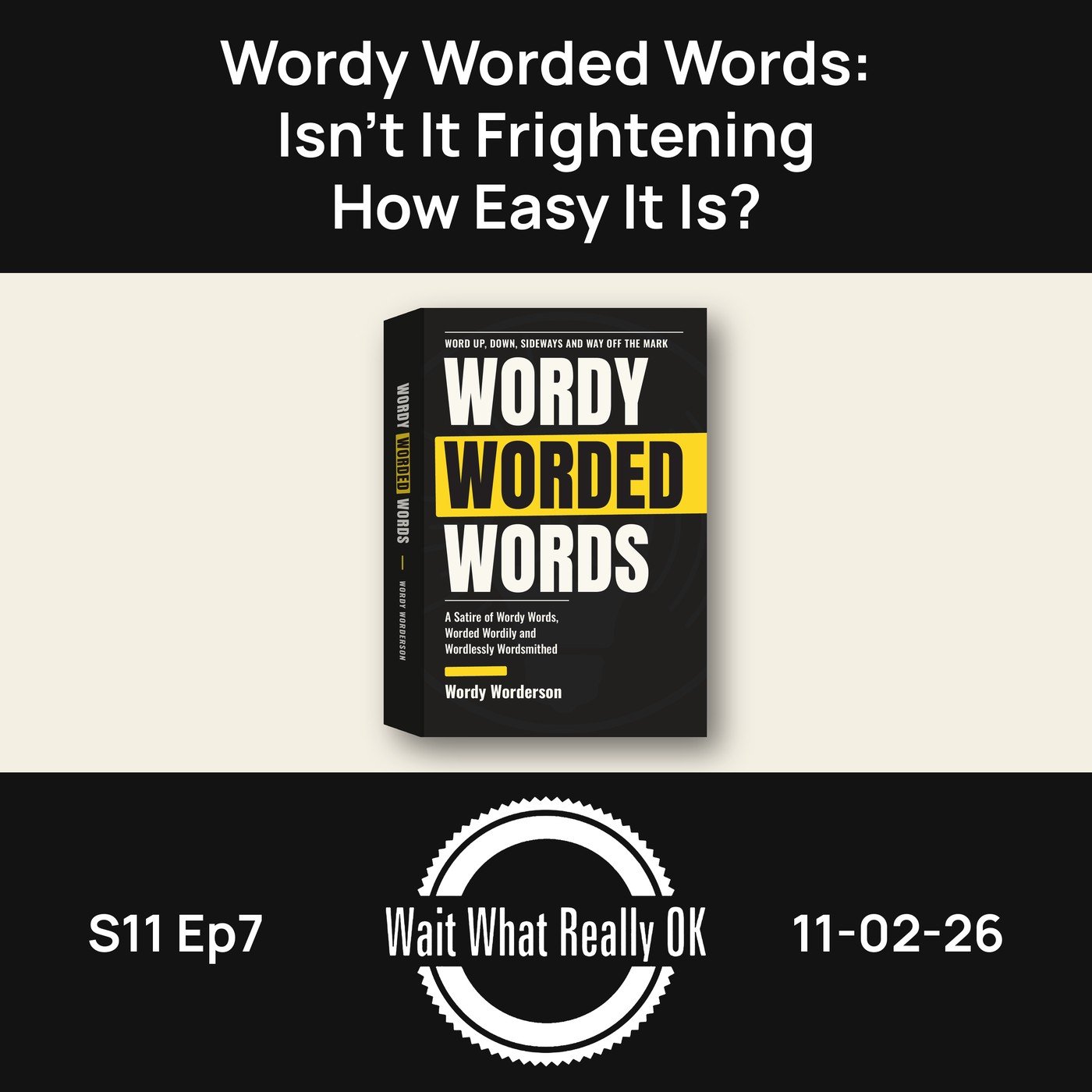
Released on November 2, 2026.
Listen to this episode here or on Apple Podcasts, Spotify, YouTube, Amazon Music, Pandora, iHeartRadio and Spreaker. The whole show, Wait What Really OK, is on Apple Podcasts, Spotify, Amazon Music, Pandora and iHeartRadio.
Table of Contents
Wordy Worded Words and AI Written Books
Wordy Worded Words came off of an idea that I had. I came up with a strategy, and I applied that into AI.
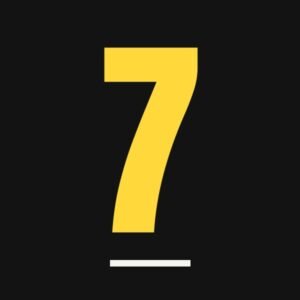
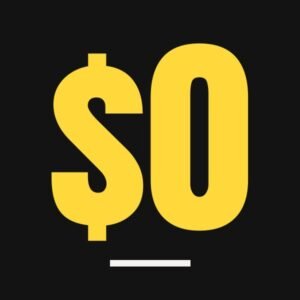
And in seven hours, at a $0 cost, and that’s a $0 cost outside of that I had a Claude subscription and I have a Canva subscription, to be fully transparent, I had a book up on Amazon, both a paperback and an ebook.
The reason I did this is a joke, and I made sure to be very careful to list that it’s a satire. But it’s also not a joke.
My intention was more so to bring light to this, that this is how easy it is.
Look into the books that you’re reading or that you’re potentially thinking of buying. Look into the people that wrote them. Is there validity? Is there authority?
Wordy Worded Words was put out as Wordy Worderson, a pen name I use openly. The book has its own page at Wordy Worded Words, and every book is on the Books by Loren Weisman page. Wordy Worded Words is available as a Kindle edition and a paperback on Amazon, and it is listed on Open Library, Goodreads and LibraryThing. The Short video on the book is Book Made With AI in 7 Hours That Didn’t Cost a Thing.
Episode Chapters
- 00:00 An Idea That I Had
- 02:57 The Word Word
- 05:40 Loading the Rules First
- 07:52 Keywords, Flags and Satire
- 10:56 Isn’t It Frightening?
- 13:23 A Client’s Book
- 16:21 Other People’s Work
- 18:38 Popular Is Not Authoritative
- 21:00 Is There Proof?
- 23:44 Taking Time to Vet
Wordy Worded Words Episode: Full Transcription
The full transcription of this Wait What Really OK episode, in the order it was recorded. It is also available as a text file and as a WebVTT caption file.
Song:
Wait What Really OK. With your host, Loren Weisman. This is a fully licensed theme song for the show about stuff that makes you say, Wait What Really OK.
Loren:
An Idea That I Had
I Came Up With a Strategy
My name is Loren Weisman. This is the brand communications and optics podcast. I can’t even say the name of it today. Wait What Really OK. And in this episode, I’m talking about Wordy Worded Words. This is a book that I don’t want to say I wrote it, AI wrote it.
AI wrote it off of an idea that I had, knocked it out. I came up with a strategy. I applied that into AI as well.
Seven Hours at a $0 Cost
And in seven hours, at a $0 cost, and that’s a $0 cost outside of that I had a Claude subscription and I have a Canva subscription, to be fully transparent, I had a book up on Amazon, both a paperback and an ebook. And in the approvals of it, with everything that was laid out and everything that was done, within an hour of the submission to Amazon, the ebook was up, and two hours later, the paperback was available for sale.
A Joke, and Also Not a Joke
The reason I did this is a joke, and I made sure to be very careful to list that it’s a satire. But it’s also not a joke. Because, in what I could do in seven minutes, I’m sorry, seven hours, many have done, and they might take just a little bit longer, but they’re putting out books, many. And these come from the motivational, to the inspirational speakers, to the business coaches. They’re putting out books that they’ve either had AI do all the work, or they’ve had AI do the work to prompt and pull from other existing books and reformat and basically plagiarize, but adjust it enough so that it can’t always get nailed for plagiarism.
And these are individuals that are using these types of books to highlight an authority that they don’t have, to appear as something that they’re actually not.
Now, to be very clear, not to keep this as satire, that was not my intention with this. My intention was more so to bring light to this, that this is how easy it is. So, in the two parts of what I’m sharing today, in this episode, is one, what many are doing, and two, how I was able to do it and how easy it was. So maybe I’ll go two and one in the other order.
The Word Word
Playing With the Word Word
What I did to build this book was pretty simple. I wanted to play with the word word. I wanted to do variations. I creatively sat for a while, and that’s part of why this took seven hours and not minutes, because there are people that can put this stuff up in minutes. And I started coming up with just different versions of the word word: real ones and then fake words. Like one of the words was Wordlivia, named after a word that added the end of my daughter’s name into it. Another word was, what was it, Wordamundo. Wordtastic, Wordrific. You know, there were some real words like wordsmithing, and the title pen name author, which I admit to being.
I have another book that came out that I had to play a little bit more of a pen name and a private role on earlier in the year, but this one, Wordy Worderson, that’s me.
Layouts From My Other Five Books
Then, what I did was I looked at the different formats of what I’ve used for my books, my other five books, the books that I wrote, I genuinely wrote. And the layouts to the guide to opening thought, closing thoughts, all of it. And I began to load that into a prompt. And so in between all the words, the different variations of words, I asked Claude, I said, okay, can you come up with some even more fun ones? And can you use a mixture of examples of my other five books in their layouts to create a professional layout?
And we’re going to, throughout the book, and again, if you read it, that with the exception of an Easter egg deep in the book, an Easter egg paragraph, it’s all sentences and paragraphs with the word word adjusted, altered into sentences, into quotes, into whatnot. It’s all the word word. It’s wordy, worded words. It really is what it’s called.
Exactly 125,000 Words
And then after the layout started to show up, I wanted X number of chapters. I wanted something that had a thickness to it. It’s a joke, but I wanted it to have girth. So I went for the standard of many of these larger books, not these little pamphlets that people write and pass off as books. So I said, I want exactly 125,000 words. And that’s what this, even with the Easter egg, with the real words, it is exactly 125,000 words, formatted correctly.
Loading the Rules First
Regulations and Requirements
The next step that I took is I went to Claude, and this is something you can do for a real book too. And I said, can you load in all the regulations and the requirements of what a book needs, from spine sizes to cover sizes to where the indent should be to font size to spacing, all of that. Set in those rules. So it wasn’t just make me a book. It was going a little bit further and making it so that it could happen a little bit faster and a little bit more compliant.
There are many people that complain, oh, I tried to do this and KDP keeps kicking this back, or IngramSpark pushes this back. Many people are formatting off of guesses, or they’re working with designers that are not designing the book correctly. They’re not laying out the book correctly. Oh, this is the layout that you need. Well, need for what? Is it for a 6×9? Is it a larger size? Is it a smaller size? It’s inside of the detail that you can get things done faster and on a first pass. So I ran through that.
An Airport Book Cover
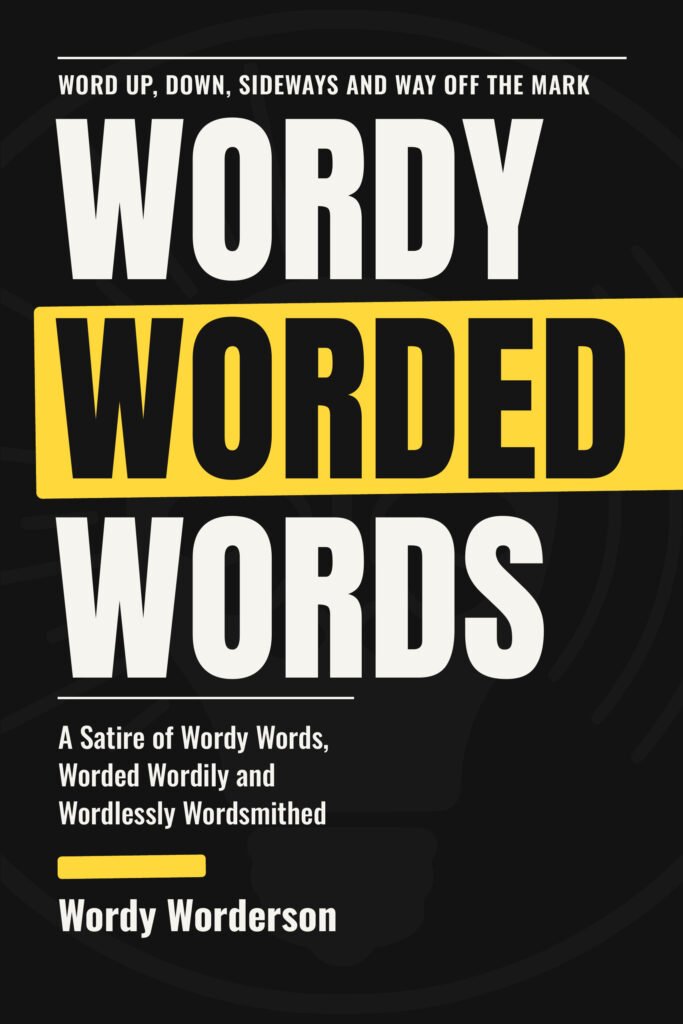
When I saw the interior layout and it was where I wanted it to be, I went to, I have my Claude connected to my Canva. And I said, I’m looking for a cover. I’m looking for a cover that’s going to look like one of those just horrific motivational, inspirational or business hype books that just come out every week on the drop. Give me something that you would see inside of an airport. Give me some of the best practices as well as what the ADA standards are. Throw me back some different ideas.
And then I didn’t like the first pass of what came back, so I created something in Canva, and I am no artist. And I said, can you take the idea and the consideration of this layout as well as best practices as well as what might work? And then it popped back the exact cover that I wanted to use. It was in a different color. I said, let’s try a different color. It said black is really sharp. I liked the black and the yellow, and boom, it was done.
Keywords, Flags and Satire
Keywords, A+ Content and Flag Words
From there, I made sure the spine size was right against the page count, and then it was running through, running through with Amazon, going, okay, give me the best keywords, give me the best layout, give me the A+ content that can be added for this. And A+ content is those little extra on Amazon. When you scroll down and you see certain books and they have a little bit more information on them, that tends to be the A+ content. And that can be added easily. And you can add that even to existing books. If you have a book right now and you don’t have A+ content, it may be something to add. It may be an extra marketing element.
And I asked, what words can I use? What words can’t I use? Now, you know, that I did this on a zero dollar budget is actually a flag word. So the zero I took out. And, you know, this cost me nothing. And it’s sometimes those little nuances that people think are nothing, but can be everything, because you’re going to get flagged for this or flagged for that.
Satire on the Cover
I looked for the best keywords. Now, part of me wanted to feed this thing right into the middle of all of those other business books that, even though they have real words, might only have the balance of quality of what I put out. But I also knew that I didn’t want to deceive. So I made sure to put satire, and it also recommended putting satire on the cover. Originally, the sub tagline was Wordy Words, Worded Wordily and Wordlessly Wordsmithed. But adding “A Satire of” put me completely and compliantly in the clear.
Then I figured out, okay, if anyone would actually buy this, I would charge for the bare bone. I’m not making anything off of this thing. And set up the KDP, which costs nothing. And I ran through with Claude, you know, what is going to be the best keywords for this book while staying compliant, while not getting flagged in any way, shape or form. And what came back allowed me to load it up really quickly.
Up in an Hour
So after I laid out the concept of this thing, had written this blog around it that ended up going up on my website, the book, once it was done, it was about seven hours. It was just shy of seven hours because I went back and forth and I wanted the formats to be a little bit different. I wanted to push, you know, and I played it for a little while on the cover, and I played for, you know, with Amazon, and I was doing some research myself and using Claude to go, okay, they do flag certain books like this that just, you know, don’t have any girth to them. How am I going to get around those flags?
So it was a very minimal amount of research, but then by the time I was ready to load this thing up, it loaded, and the ebook was up in an hour. The paperback was up an hour later. I did a short video the following day about it, and I’m doing this podcast, and there’s a page on my website that explains the same ideas.
Isn’t It Frightening?
A Warning
Now moving to part one, isn’t it frightening? Isn’t it, to me it is, terrifying that this can be put out this way, this easily, this quickly, and for nothing?
Now, I’m doing it as a joke. I’m doing it in some ways as a warning. I’m doing it in a way to cross-reference. I’m asking individuals, the end result of this thing is asking individuals to look deeper. Look at what you’re reading. Look at what you’re seeing online. The latest book that has all this popularity might have a whole bunch of fake likes, a whole bunch of fake reviews. And it was written by a complete fake. There’s a pretty good chance.
Appearing as an Authority
And I would say right now, the majority of these books coming out are coming from people that have limited experience, limited knowledge, but an excess of ability in how to use AI and how to use these marketing tactics to appear as something that they’re not.
A lot of the, you know, even the so-called prominent life coaches, you need to put out a book to showcase your authority. And then it all of a sudden shifted to you need to put out a book to appear as an authority. And how people use these fake books.
Borrowed Quotes
So many of the books, even, I mean, one of my warning signs for a lot of the false business books: if every opening thought or closing thought or quote in the middle is from somebody else, then where does that show their authority? Oh, I wanted to share this quote from Tony Robbins or this person or that person or Zig Ziglar, and then they have commentary on it. Great, so you’ve commented on somebody else’s authority, but you’re giving me commentary. You’re not giving me any level of substance. Anybody can say, oh, this is a great quote, and what a good thought. And wow, oh, this moves me. Oh, this moves the dial. Oh, man, this hits hard. Oh, but you’ve just shared something else and you’ve brought nothing to the table.
And I see that with the majority of these books. And where I sat there for a minute wordsmithing different variations of the word word, which is the entire book, what many others are doing are, it’s, to me, a form of plagiarism. They’re pulling together a story and then they’re saying, can you grab from here? Can you pull motivation? Can you pull inspiration? Can you pull a few business tactics?
A Client’s Book
A Client’s New Book
I worked with a client a number of years ago, and he wanted to, he was about to promote a new book, and we were doing an author blueprint. And I had to stop working with him because I said, I’ve read this book. And he was like, no, no, no, no, you haven’t read this book. I just wrote it. I’m like, this is a dozen other books. No, no, no, no, I wrote this.
And I asked him, and I remember sitting down in a Panera with him. And I sat across and I said, I’m coming from a place of love and not fear. I’m asking you directly: did you use other reference sources, not, you know, to complete this book? Not that you didn’t write. Not that you didn’t copy it verbatim, but did you do this? Is this you? And whether it was a cognitive dissonance or whatever, he just goes, no, no, it’s absolutely me. It’s all me.
And then when I began to bring it up, I said, okay, now I just ran, you know, I ran a copyright check on it. And I ran, at the time, Grammarly had a really cool thing where it could find quotes and plagiarism elements. So I popped it in the Grammarly at the time, and Grammarly came back and said it was 82% plagiarized.
So I showed him that. I showed him the line of quotes. I showed him the quotes of where they were coming from. Of all the things I showed him, no, no, no, no, I wrote this. At that point, I packed up my bag, I packed up the book, I packed up the notes I made. I said, I wish you the best. I can’t be involved in any way, shape or form with this, and with the fact that after you’ve been shown this evidence, that you’re still standing on that.
When the Lie Becomes the Truth
And I think there is that cognitive dissonance in certain people where they’ll see something. And I get it. You could come up with a quote. You might come up with a quote, and it’s already been said. And maybe you heard it in passing. Maybe you didn’t. Maybe you came up with it yourself. There are only so many words in the English language. I’m not doubting that. But 82%, and dead to rights. It was off. And it bothered me.
And it bothers me that many of these people, I’m trying to appear as much more so that I can get the consulting gig, so that I can get the speaking gig, so that I can use this, so that I can pop this out, so that I can claim this. And then, if they’re not directly flagged, they’re going to continue to lie about it. It’s false. It’s narcissistic. It’s a problem.
And I believe that some of these people, and I even, to a certain extent with this guy, wonder if, after, because it took him a while to put this thing together, if he came to the point where he genuinely believed the lies, that the lies that he had done earlier now were the truth and it was totally him.
Other People’s Work
Your Story Wrapped in Other People’s Work
So, this from the standpoint of many of these authors that will just pull together a whole bunch of other things. They’ll grab the latest phrases, the latest trends, they’ll pull it together, they’ll lock it into AI, they’ll pop their story on the front and the back. Some of these other programs will say, add your story here. These book people and certain ghostwriters and others, they’ll ask you to write about 20 pages of stories. And then they’ll say, and this is the beauty of it, what’s your target audience for who you’re trying to get to hire you or who you’re trying to get to have you speak? Then they take those stories and, whether with AI or themselves, wrap them in other people’s work.
They reword some of these existing quotes so that they’re far enough from plagiarism from other more professional people. And then they also embed the story or the book with famous quotes, and then they put it out there.
The Little Bestseller Picture
And then boom, they go through the same process I did. Here, you pop it up on Amazon, you do this, boom, you’re up, you’re out. And then that worst part, and I’ve talked about it in another video, they’ll spend a couple dollars to pop the thing into some category that nobody’s using, get three purchases, and then they get their little bestseller picture, because for two minutes or 60 minutes, oftentimes in the hour cycling, all of a sudden it looks like a bestseller, which it’s not. All in all, in this, it’s a massive scam.
Prompting From Other People’s Books
And then the other version of it, it’s the AI. It’s sitting there and prompting in and going, can you take my story of blah, blah, blah, blah, blah, blah, blah and pull from this book, that book, that book, that book, twist it around so it’s a little bit more mine. Isn’t it awful too, in the lack of ethical transparency and in the lack of professionalism, that AI can shoot something back like that and allow that to happen? And I guess, again, it’s how you use it and who’s using it. But that’s being done every day. That’s why I say the majority of these books are fraud. I don’t feel like that’s a claim statement with the proof that you can look at and the latest thing that’s come out. And even some of these larger scale individuals that wrote some decent books, they’re shortcutting and using it too.
Popular Is Not Authoritative
430 Likes
So the end of this rant, the end of this idea, the joke about the book, but really what I want the cornerstone of this thing to be is look deeper. Does this person have any kind of expertise? And if you’re judging their expertise by a single book, that’s a problem. Do they have content out there? It doesn’t matter. It doesn’t have to have 2 million likes.
I saw a video today. This one guy said, well, I’m not listening to this guy because I was looking for someone that was, you know, that was authoritative. And he only had 430 likes. Okay, no. You were looking for someone that was popular. Because there’s stuff out there that might not have the likes. There’s stuff out there that might not have the seas of comments. It might not have all the reviews. But it could be objective, substantiated, honest, transparent proof and authority. And it’s bypassed. To me, that’s awful.
Check the Wayback Machine
But you can look at someone. You can use systems like Wayback Machine. You can see where their website was a few years ago. They’re claiming they have all these years of experience. Does it prove out? Did they all of a sudden just pop on the screen, on the scene?
A Career That Started at Four
People plagiarize. I mean, I have a guy, I was contacted for my second book, Artist’s Guide to Success in the Music Business. There’s somebody that said, you need to sue this guy. He stole your book. And in the book that, and I’m not naming it out here, in the book that this guy wrote, and the cat at the time was like 25, in the book that he wrote, a lot of it was very close to my stuff.
Now, at the same time, and being respectful, a lot of what I was sharing was objective facts. So, you know, you share some of these things and it’s, you know, it’s going to overlap. But he was sharing my tone. And at one point, he shared some of my resume count and the exact years that I had been working in the industry and the things that I had done. So it was amazing to me that, okay, so this guy apparently started his career when he was four. Doesn’t quite line up. And there were other issues that didn’t quite line up.
Is There Proof?
Looking for Issues
But if people don’t look for those things, and it’s not looking for the negative, but looking for issues: is there proof? Is there evidence? Or is this someone that’s using, or for that matter abusing, things like AI? Do you see something beyond that? Is every quote that they share inside of their content belong to somebody else?
Are they sitting there? And I can’t stand these videos where someone, it’s someone with authority is doing a video and then the screen is cut and the other person is sitting there nodding their head and then they put their little two cents in on the end. Where does that make them an authority at all? Now, I get that some people want to do commentary on certain things, but if that’s all they’re doing, commenting on somebody else’s authority, how does that give them any authority whatsoever?
Look Into the Books and the People
I just might ask, and I get that this has gone on a little longer than it probably should have. Look into the books that you’re reading or that you’re potentially thinking of buying. Look into the people that wrote them. Is there validity? Is there authority? Is there a chain of evidence to authenticity, experience, expertise? Or does it just not line up? Does it sound like a lot of other things? Can you take a whole bunch of their key quotes, search them, and do they belong to other people, whether they’re correctly quoted or whether somebody was just plagiarizing?
And again, by doing that, could you end up saving time? Could you end up saving money? Or could you end up saving yourself from doing mistakes from somebody that might be putting out some very strongly worded opinions that have no base to them, that could get you, your business, your direction, your dreams in trouble? Take responsibility and accountability for how you choose to educate yourself, from the speakers to the consultants, coaches, to the books that you read.
Worthless Regurgitated Words
When you take that extra step and look beyond wordy, worded words, which that’s why I titled this book, because a lot of these other books, that’s all they are. They’re worthless, regurgitated words set up by someone that is trying to, you know, in a way, scam you.
Now, that’s not to take away that there are genuine authors out there. There are genuine experts. There are people that can back it up. But if you take the time, you’re going to save time, and you’ll be able to spend more time reading or listening or considering stronger materials. And it’s not saying, you know, I mean, some people say, oh, you got to read every book. No. Who’s got the time to read every book, with how things are today?
Taking Time to Vet
Vet and Verify
Wouldn’t it be better to take the time to vet, to verify, to look for the honorable foundation, the expertise, the proof, and then from there decide where you’re considering guidance, considering who you’re going to listen to, considering who you might want to work with? Take the time. And in that time, it will save you time. I believe it will save you trouble. I believe it will save you money.
And so, in the end, that’s why I did Wordy Worded Words. It was a little bit of a joke. It was showing how quick this can come up. It was making the comparison to a lot of these scams, and a lot of these frauds, and a lot of these people that are pushing to appear as something that they’re not.
Treat It Like a Living, Breathing Child
And it’s asking those that would consider it: dig that much deeper, look in a little bit more, question it, care for yourself and the things that you’re putting out, that you’re planning to do, and not just following blindly like sheep that are out there that look to the latest thing that looks really popular and really cool and really pretty, and yet ends up becoming really damaging to whatever they’re doing.
Take care of your dream, of your business, of your vision. Treat it like a living, breathing child. Be a parent to it. Just as a parent would take, or I would hope would take, those extra steps to make sure that what they’re hearing or what they’re reading is right, because they’re dealing with this child, the love of their life, what means the most to them. So they would do that for a child. Maybe it’s time to do that for your business, for your vision. And in that extra level of protection, maybe it will protect you that much more from those that are trying to fool you.
That’s all I got for today. This is Loren Weisman. This is Wait What Really OK. And an overview about why I did Wordy Worded Words and my views on AI writing, plagiarism, and those trying to appear as something that they’re not.
Song:
Wait What Really OK.
Questions and Answers
Why can AI written books be a problem?
To me, many AI written books are a problem because people use them to appear as an authority they don’t have. In my view, some have AI do all the work, and others have AI pull from other existing books, reformat them and adjust the wording enough that those books can’t always get nailed for plagiarism.
What is A+ Content for books on Amazon?
In my experience, A+ Content is the extra information you see on some books when you scroll down their Amazon page. From what I have seen, A+ Content can be added easily, even to existing books. If you have a book without A+ Content, it may be something to add as an extra marketing element.
Can AI help format a book for KDP or IngramSpark?
In my experience, AI can help format a book when I first ask it to load in all the regulations and requirements a book needs, from spine sizes and cover sizes to the indent, font size and spacing. Loading those rules first made my layout a little bit faster and a little bit more compliant. To me, many people who see KDP or IngramSpark push a book back are formatting off of guesses.
How can a satire book on Amazon avoid deceiving readers?
In my experience, putting the word satire on the cover is how I made sure the book did not deceive. The original sub tagline, Wordy Words, Worded Wordily and Wordlessly Wordsmithed, became A Satire of Wordy Words, Worded Wordily and Wordlessly Wordsmithed. To me, adding A Satire of put the book in the clear.
Can certain words get a book flagged on Amazon?
In my experience, certain words can get a book flagged, so before loading the book I asked which words I can use and which I can’t. The words zero dollar budget were a flag, so I took out the zero. To me, those little nuances that people think are nothing can be everything.
What is a warning sign of a false business book?
One of my warning signs for false business books is when every opening thought or closing thought or quote in the middle is from somebody else. When every quote belongs to somebody else, I ask where that shows the author’s authority. To me, commentary on somebody else’s authority is not giving any level of substance.
How do some authors use other people’s work in their books?
In my view, some book programs and ghostwriters ask an author for about 20 pages of stories and then, whether with AI or themselves, wrap those stories in other people’s work. To me, they reword existing quotes so that the quotes are far enough from plagiarism, and then they put the book out there.
How can you check an author’s years of experience?
To me, systems like Wayback Machine can show where a person’s website was a few years ago, so I can ask whether the years of experience that person claims prove out. I also look at whether that person all of a sudden popped on the scene.
Is one book enough to judge someone’s expertise?
To me, judging someone’s expertise by a single book is a problem. I look at whether they have content out there, and it doesn’t have to have 2 million likes. There’s stuff out there that might not have the likes or all the reviews, but it could be objective, substantiated, transparent proof and authority.
Why take time to vet a book before buying it?
To me, taking the time to vet a book and the person who wrote it can save time, money and trouble. In my view, some strongly worded opinions have no base to them and could get you, your business, your direction and your dreams in trouble. To me, a business can be treated like a living, breathing child, with the extra level of protection a parent would give.
Loren Weisman is a Brand Communications and Optics Strategist who specializes in illuminating authoritative intelligence and amplifying authentic experts.
Weisman is the host of the brand communications and optics podcast Wait What Really OK.
© 2011 to 2026 Loren Weisman. All Rights Reserved ® ℗
Related Reading
- Wordy Worded Words
- Book Made With AI in 7 Hours That Didn’t Cost a Thing
- Books by Loren Weisman
- Fake Authors Using AI. Podcast Links and Transcription
- AI Transparency for Authors: Author or Prompter?
- Fact Checking Books Before You Call It True
- View Count and Authority: Look Beyond Popularity
- Original Content Creators and Prompted Scripts
- Using AI Ethically: Prompts Built on What You Know
- AI in Post-Production: Creating the Content First