Tag: Brand reputation

Brand reputation is an archives tag for Brand Communications and Optics Strategist Loren Weisman website.

  • Transparency in Brand Communication: Aligning Words and Actions

    Transparency in Brand Communication: Aligning Words and Actions

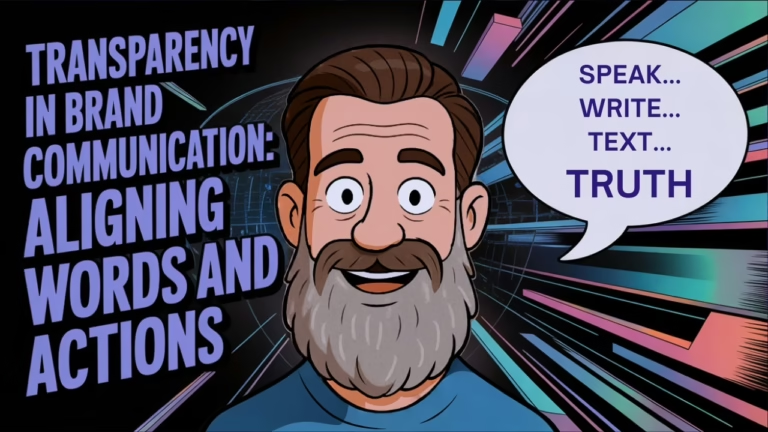
    Transparency in Brand Communication: Aligning Words and Actions. A Brand Communications and Optics Strategist Blog from Loren Weisman.transparency in brand communication


    Key Takeaways:
    • Transparent brand communication means aligning internal values, private language, and public messaging; fostering genuine trust and authority.
    • Inconsistencies between public and private actions erode brand reputation, while full alignment accelerates authority and loyalty.
    • Leadership in digital communication requires ongoing accountability; leaders must be ready for all actions to become public and operate accordingly.
    • Building brand optics on truth, ethics, and consistency produces a sustainable, scalable, and differentiated business presence.
    • Authenticity in brand storytelling is a growth engine; transparency attracts loyalty and positions brands ahead in AI-driven search landscapes.

    Transparency in Brand Communication: Aligning Words and Actions.


    transparency in brand communication, aligning words and actions, Loren Weisman, brand strategy
    Transparency in brand communication: Aligning words and actions.

    Transparency in Brand Communication: Aligning Words and Actions


    Would you feel comfortable standing by your reputation if every action, email, or message became public? The video below or at this link …invites you to reflect on the importance of transparency in brand communication and accountability in both personal and professional life. Entrepreneurs, business leaders, and communicators may find valuable strategies for aligning their actions with their words, strengthening their reputations, and fostering trust.
    Building transparency in brand communication is often overlooked yet is a vital area of modern marketing and leadership. In a world where every message, post, or response can be shared in an instant, what we say in private can carry just as much weight as our public image. If our actions, behaviors, and words were to be revealed to clients, colleagues, or family, how would our reputation hold up?


    Actions Can Speak Louder in Branding

    A brand is not only built on logos, taglines, or designs; it is shaped through unseen conversations, email replies, and quiet decisions made behind closed doors. Leaders who strive for alignment between public messaging and private choices can promote stronger trust. On the other hand, hidden behaviors, passive-aggressive tones, and inconsistent standards can slowly erode credibility.

    Transparency in brand communication isn’t about striving for perfection; it’s about embracing accountability. When our words and behavior connect in clear, consistent ways, brands can gain authority, and individuals can build reputations that they do not fear others uncovering.


    A Power in Ethical Clarity

    In the video, I pose a simple yet uncomfortable question: Would you feel at ease sharing every direct message, email, or text you send with your family, peers, or closest friends? If this question creates any hesitation, it might indicate areas where reputational cracks could emerge. For business professionals, this reflection is even more crucial within company culture.

    Hidden agendas, inconsistent values, and backroom double talk can undermine trust, lower morale, and hinder productivity. Choosing conscious alignment can set a standard where everyone feels respected, and communication remains honest and sustainable.


    transparency in brand communication, aligning words and actions, Loren Weisman, honestySubjective vs Objective Messaging. Opinions vs facts online.


    Accountability in Communication

    Every form of brand communication… whether on stage, in a Zoom meeting, or sent as a quick response can shape how others perceive us. Consistency does not imply speaking in one tone with everyone; it means ensuring that our intention, honor, and responsibility remain intact regardless of the recipient.

    Private attacks, gossip-laden emails, or fear-driven communication can undermine everything we strive to present in our outward brand. If we wouldn’t feel comfortable having a screenshot of our words shared, it may be time to reassess how we communicate.


    Choosing Transparency Over Masks

    Many individuals adjust their behavior depending on the setting. However, there’s a distinction between tactical adaptation and wearing masks. Adjusting our tone to connect with someone respectfully is a professional approach; hiding dishonesty beneath a false image can erode trust.

    When a brand or individual builds on deception, it can eventually reveal itself; whether through contradictory statements, toxic internal behavior, or public exposure.

    In contrast, choosing transparency in brand communication can foster long term credibility and strengthen trust across networks, clients, and teams.


    [evp_embed_video url=”https://youtu.be/snh3iP-SP3M?si=cwMKFIH51kmR0r1X”]

    Or watch on YouTube here


    Business Growth Through Authentic Optics

    For startups, small businesses, and established organizations alike, transparency can serve as a powerful growth engine. Brands that align their internal culture with external communication may experience faster expansion, gain lasting loyalty, and differentiate themselves in a content-saturated market.

    Investing in clear messaging and matching internal actions to the external voice can sharpen brand optics. It reassures clients that public commitments are genuine rather than mere marketing spin. When reputational pressure arises, leaders with aligned practices can stand confidently, while those hiding behind masks might be exposed.


    Transparency in Brand Communication: Aligning Words and Actions Conclusion A Reputation Worth Standing Behind

    A key question to consider is this: Would you want your closest circle to read your next text or email? If the answer is no, what needs to change? The more we work to bring our communication into alignment with honesty, the stronger our professional and personal respect can grow.

    By creating a foundation rooted in transparency in brand communication, we can build reputations, relationships, and results that are designed to endure.


    Brand Transparency in Communication FAQ


    Top 100 Loren Weisman Quotes: Considerations for Branding, Communication and Marketing


    transparency in brand communication, aligning words and actions, Loren Weisman, featured header
    Transparency in brand communication.

    Loren Weisman is a Brand Communications and Optics Strategist who specializes in illuminating authoritative intelligence and amplifying authentic experts. * Weisman is also the host of the Brand Communications and optics podcast; Wait What Really OK. * LW Website * © 2011 to 2026 Loren Weisman. All Rights Reserved ® ℗ * Transparency in Brand Communication: Aligning Words and Actions

    Related reading

  • Top of mind bottom feeders and how their spam email tactics can suck

    Top of mind bottom feeders and how their spam email tactics can suck

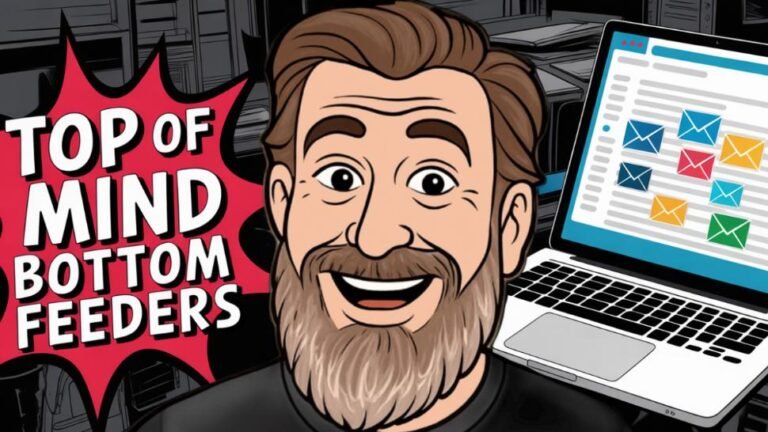
    Top of mind bottom feeders and how their spam email tactics can suck blog from Brand Communications and Optics Strategist Loren Weisman.Top of Mind Bottom Feeders, how their spam email tactics can suck, loren weisman

    Top of mind bottom feeders


    You have probably heard the phrase: “Stay at the top of your audience’s mind” at all times.

    And all these hype type Business coaches and executive consultants love to repeat it as if it’s the ultimate marketing truth.

    But here comes the problem… Many have twisted this advice into something counterproductive. Instead of providing value, they flood inboxes with constant, repetitive, low quality content in a desperate attempt to stay “top of mind.” I call them Top of mind bottom feeders.

    It reminds me of those old movie scenes… (before everyone became hypersensitive and so easily triggered) where someone tries speaking to a person in another language by just getting louder and slower, as if volume alone will make the message understood.

    That’s what seems to be happening with email marketing today.

    More noise, less meaning… an excess of hype and less authenticity.


    top of mind bottom feeders, blog from brand communications and optics strategist loren weisman


    A Big Part of The Problem: Overkill and Over sending in Email Marketing

    You click on an ad or sign up for a free resource. The next thing you know, you’re getting the daily emails… and even sometimes seven days a week.


    What’s inside of so many of the emails from those Top of mind bottom feeders?

    – AI-generated filler content

    – Sales pitches not even cleverly disguised as valuable insights

    – Regurgitated blog posts, just slightly rewritten with empty call to actions and weak hype.


    These approaches don’t build trust or deepen connections. They can do the opposite:

    – Trigger unsubscribes

    – Get your email marked as spam

    – Damage your brand reputation

    And sadly, some businesses even keep sending emails after you unsubscribe, breaking both etiquette and compliance rules.


    Consider Flipping the Script on the top of mind bottom feeders: Go for Quality Over Quantity

    If you want to be top of mind, you don’t need to send an email every single day. In fact, less really can be more.  And perhaps in honor, space, patience and authenticity, you can create better engagement.


    Top 100 Loren Weisman Quotes: Considerations for Branding, Communication and Marketing


    Here are a few better approaches to consider:

    1. Honor Your Audience’s Time

    – Offer subscription preferences: weekly, monthly, or “special announcements only.”

    – Clearly state how often you’ll email and actually stick to it.

    2. Prioritize Value Over Volume

    – Have every email including something new worth reading or acting on.

    – Avoid generic AI output. Use it to assist, edit but not replace your authentic voice.

    3. Think Long Term Relationships, Not Quick Wins

    – Let customers come to you naturally, like passing by a product in a store multiple times before deciding to buy and seeing how you might be different from all the yell tell sell types.

    – Give them space to stay curious instead of overwhelming them with pitches.top of mind bottom feeders, loren weisman cartoon, brand communications blog


    Speaking Contract For Loren Weisman for Public and Private Speaking


    The “Supermarket Aisle” Principle

    In retail, shoppers often see a product several times before they decide to purchase. That repeated exposure can work because it’s subtle and not as intrusive.  As they back their products with different ad buys and ideas to engage.


    The same can go for email:

    – Consider Spreading out your communication over bombarding too often.

    – Make each piece original and worth opening, not just glorified click bait.

    – Avoid the “same email, slightly altered” trap and hype of those top of mind bottom feeders.

    – if you don’t have anything to say, send or share… just don’t send anything then!

    When people look forward to hearing from you instead of dreading another email, pitch or push  your engagement rates may just skyrocket.


    Fake Authors Using AI. Podcast Links and Transcription


    Final Thought

    Being “top of mind” isn’t about shouting the loudest or showing up the most. It can be about showing up meaningfully, authentically and respectfully. Consider honoring your audience’s time, intelligence, and attention.

    If your emails are authentic, authoritative, and genuinely useful, you may not need to force yourself into someone’s inbox every day. They might just invite you in and be that much more open to your product, service or offer… and that’s the kind of connection that can lead to real, long term customers.


    Top of Mind Bottom Feeders Original Audio Rant.

    Top of Mind Bottom Feeders Audio Rant Transcription Blog


    And a short video on Phishing Emails from Loren Weisman…[embedyt] https://www.youtube.com/watch?v=L01_4a5RY_s[/embedyt]


    * Loren Weisman is a Brand Communications and Optics Strategist who specializes in illuminating authoritative intelligence and amplifying authentic experts. * Weisman is also the host of the Brand Communications and optics podcast; Wait What Really OK. * LW Website * © 2011 to 2026 Loren Weisman. All Rights Reserved ® ℗ * Top of mind bottom feeders and how their spam email tactics can suck Blog from Brand Communications and Optics Strategist Loren Weisman.

    Related reading