Talk title
A Talk for Kids That Mixes the Idea of Art and Communication
Table of Contents
What is this talk about?
Creating and publishing art with your family, and positive ways that can help you be heard. This talk mixes the idea of art and communication, in two parts:
- Creating, publishing, and distributing music, a book, or your art with a family member.
- Positive ways to listen, share, hear, and be heard by your friends or your family.
The talk overview
I am a girl dad first, then a brand communications and optics strategist, and lastly, an author of five and a half books. My daughter Olivia and I wrote and published a children’s book together, Alphabet Animal Adventures Across America. I will share how kids can do that, alongside good communication concepts tailored for kids to consider.
The communication part of the talk is the core work I do with adults. I’ve found that kids are often able to figure some of this out quicker. It touches on the ideas of Intention and Perception Viewpoints, Subjective and Objective Communication, and Comparative to Connotative Considerations.
What I share is our experience and my opinion, and I mark the opinions as opinions.
What kids do in this talk
- Hear how my daughter came to me and said, “I want to write a book with you,” and how we made it, from one spreadsheet to a published book.
- Hear about creating, publishing, and distributing music, a book, or your art with a family member.
- Hear about Intention and Perception Viewpoints, Subjective and Objective Communication, and Comparative to Connotative Considerations, with messaging designed to suit a fifth grader.
Creating, publishing, and distributing music, a book, or your art with a family member
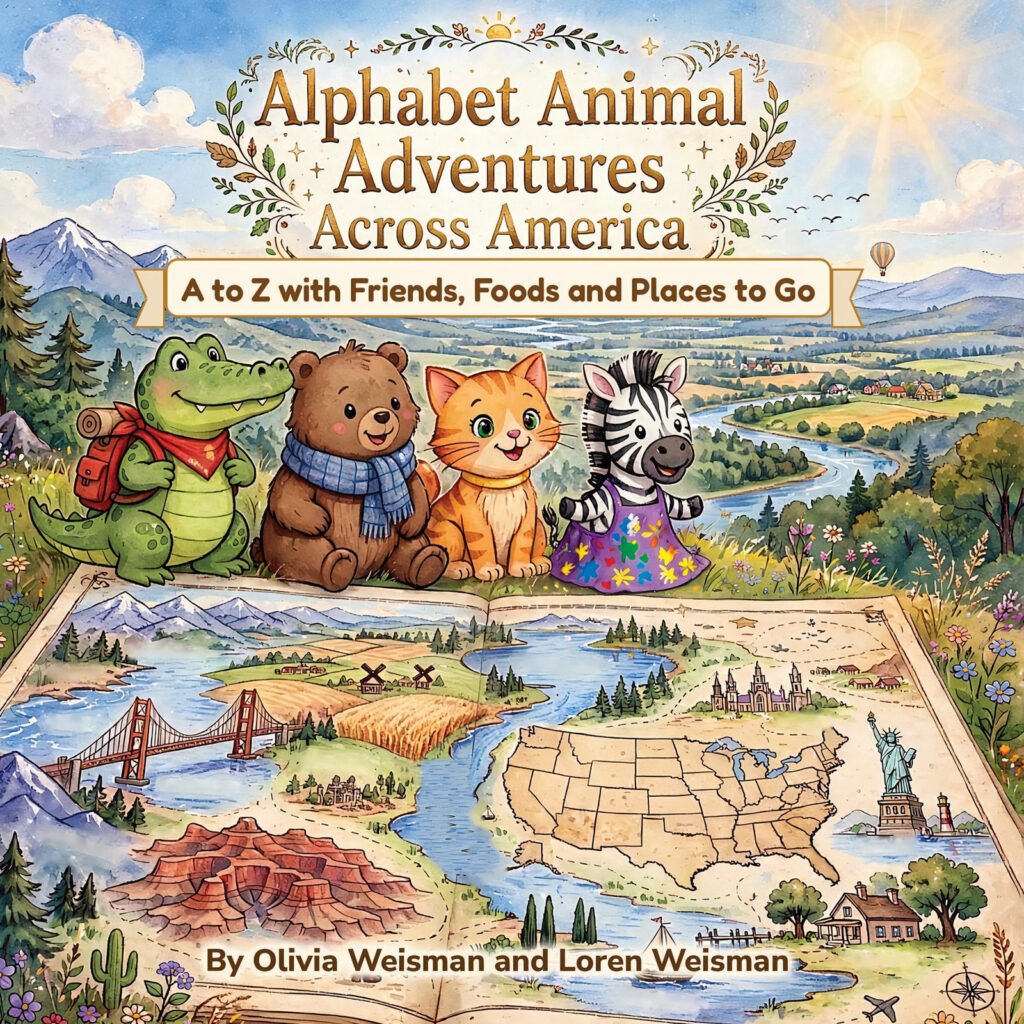
She came in and said, “I want to write a book.” The same day, she came back in and said, “I want to write a book with you.”
The idea was my daughter’s, and she is named first on the cover and on the book’s records online. The vision was hers and I was along for the ride.
And I said, I want to show you a little bit of what I do with other clients and what I did with my book.
On Monday, May 29, 2023 we sat down with a spreadsheet, DADDY DAUGHTER BOOK OVERVIEW, and gave every letter one row: a name, a describing word, an animal, a food, a city, something to do there, and the words that go with them.
We looked up the words and checked the facts before anything went into the book: every place against its own website, every word against the dictionary.
We read every page out loud and reworked what did not sound right.
The drawing on page 67 and on the back cover is hers.
We use Amazon KDP for the paperback and the Kindle edition on Amazon, and IngramSpark to put the paperback in the catalog that bookstores, libraries and schools order from.
If you do that book, you can add that audiobook. You can read together.
Is it a book? Is it a song? Is it some art? What could you create?
How we made the book, step by step: How We Wrote and Published a Children’s Book Together: A Family Co-Authoring Blueprint.
Positive ways to listen, share, hear, and be heard by your friends or your family
Intention and Perception Viewpoints
I believe your intention may not be everyone’s perception. What is so clear to you might be so confusing or might read in a different way to someone else.
For me, it’s not moving off of intention; it’s creating an intention narrative that considers the perception narrative.
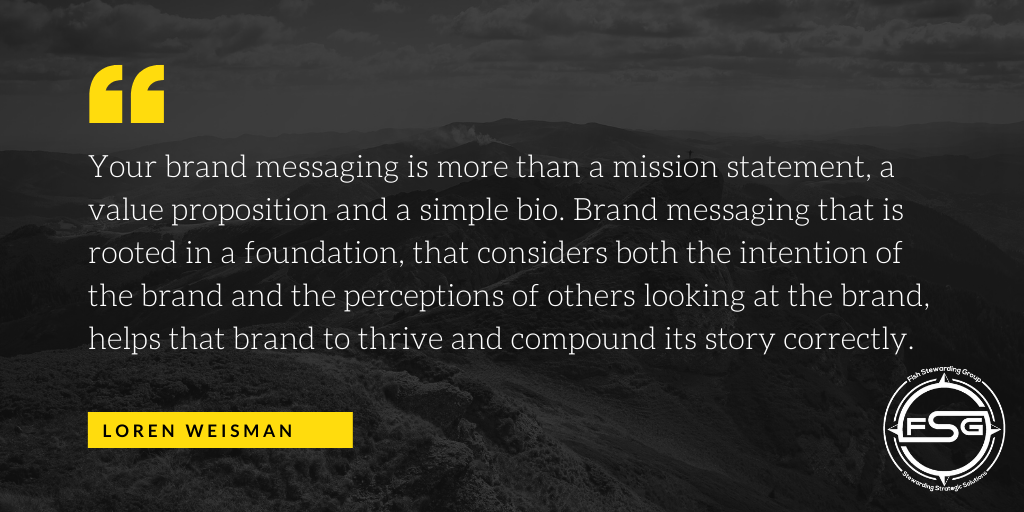
More on this: Defining Messaging Tactics From Intention to Perception and In-Between.
Subjective and Objective Communication
Clarify your opinions and facts online by stating your views clearly and backing up the facts with proof.
To me, it is not about justifying your views. It is about defining they are your views.
When it is a fact, back up the fact with numerous sources. Call it a fact and prove it is a fact.
And when it is an opinion. State it is an opinion, why it is an opinion and why you feel that way.
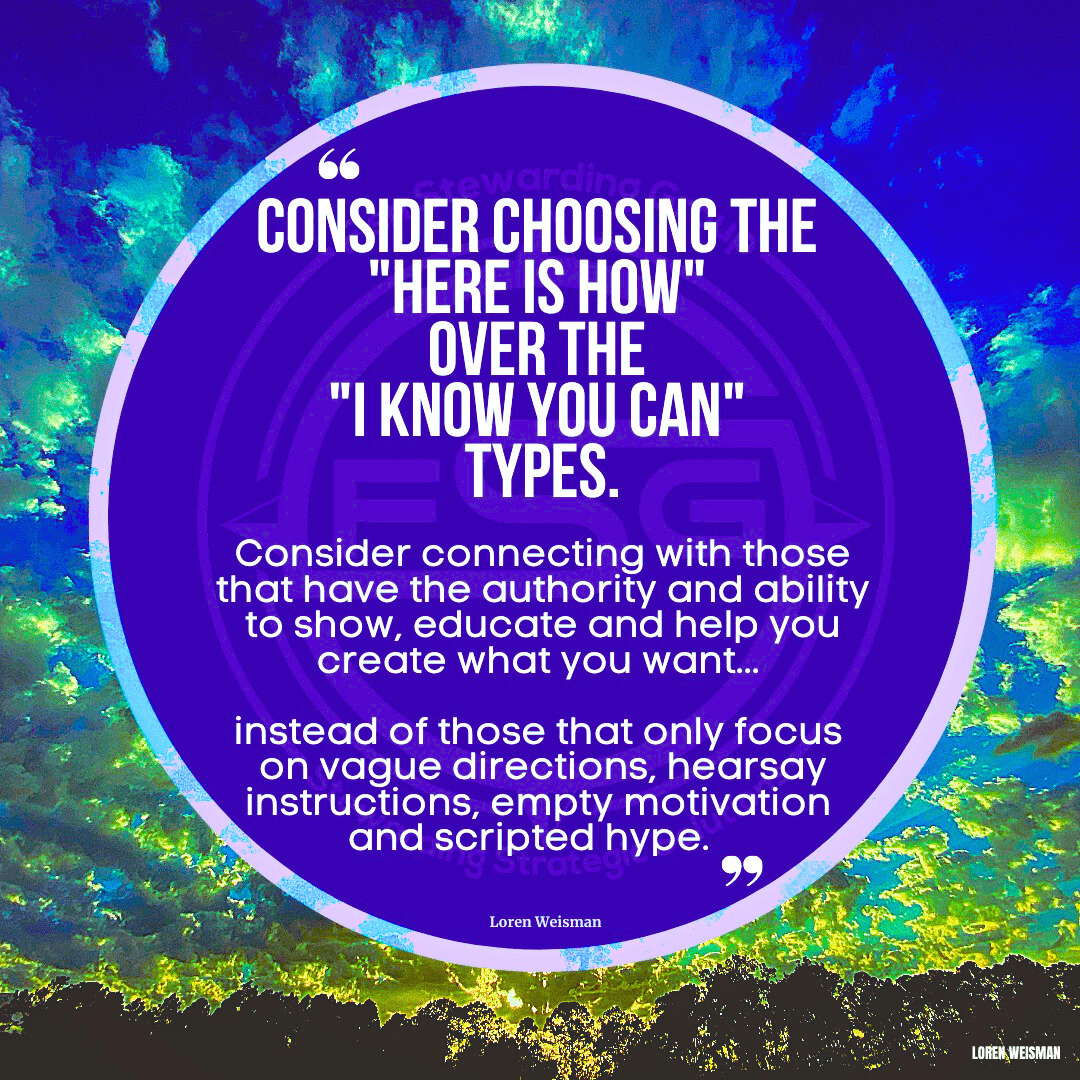
More on this: Subjective vs Objective Messaging: Opinions vs Facts Online.
Comparative to Connotative Considerations
To me, it is being able to look at the competitive, the comparative, the connotations that are out there.
If you are saying the same thing as everyone else, then why would and why should anyone think you are different from everyone else?
Hear and be heard
In Mary Poppins, at the end, the father is able to understand a little more about the children, and the children are able to understand a little more about the father.
Instead of the mindset of be seen, be seen, be seen, I think about authentically being heard.
I believe amplified authentic opinions can be driven with passion while still anchored in respect for those that have a different view.

More on this: Mary Poppins Messaging Transcription.
Videos on communication: Brand Comms and Ops: All Things Considered Shorts on YouTube.
The event
This talk can be done for kids at anywhere from 20 to 30 to 45 minutes to an hour, and it can be adjusted. The messaging is designed to suit a fifth grader, and I have successfully delivered this communication talk in the past to kids ages 8 to 18.
For kids at elementary schools and junior high schools, for Career Day and Teach-In events.
Questions about this talk
What is this talk about?
Creating and publishing art with your family, and positive ways that can help you be heard. This talk mixes the idea of art and communication.
Who is this talk for?
This talk is for kids at elementary schools and junior high schools, for Career Day and Teach-In events. The messaging is designed to suit a fifth grader.
How can kids create and publish art with their family?
My daughter Olivia and I wrote and published a children’s book together. We sat down with a spreadsheet and gave every letter one row: a name, a describing word, an animal, a food, a city, something to do there, and the words that go with them. We read every page out loud and reworked what did not sound right. We use Amazon KDP for the paperback and the Kindle edition on Amazon, and IngramSpark to put the paperback in the catalog that bookstores, libraries and schools order from. Is it a book? Is it a song? Is it some art?
What are positive ways that can help kids be heard?
To me, it is not about justifying your views. It is about defining they are your views. I believe your intention may not be everyone’s perception.
What communication ideas does the talk touch on?
It touches on the ideas of Intention and Perception Viewpoints, Subjective and Objective Communication, and Comparative to Connotative Considerations. The communication part of the talk is the core work I do with adults. I’ve found that kids are often able to figure some of this out quicker.
Where does the book come into the talk?
My daughter Olivia and I wrote and published a children’s book together, Alphabet Animal Adventures Across America. I will share how kids can do that, alongside good communication concepts tailored for kids to consider. The idea was my daughter’s, and she is named first on the cover and on the book’s records online.
How long is the talk?
This talk can be done for kids at anywhere from 20 to 30 to 45 minutes to an hour, and it can be adjusted. The messaging is designed to suit a fifth grader, and I have successfully delivered this communication talk in the past to kids ages 8 to 18.
The talk sheet
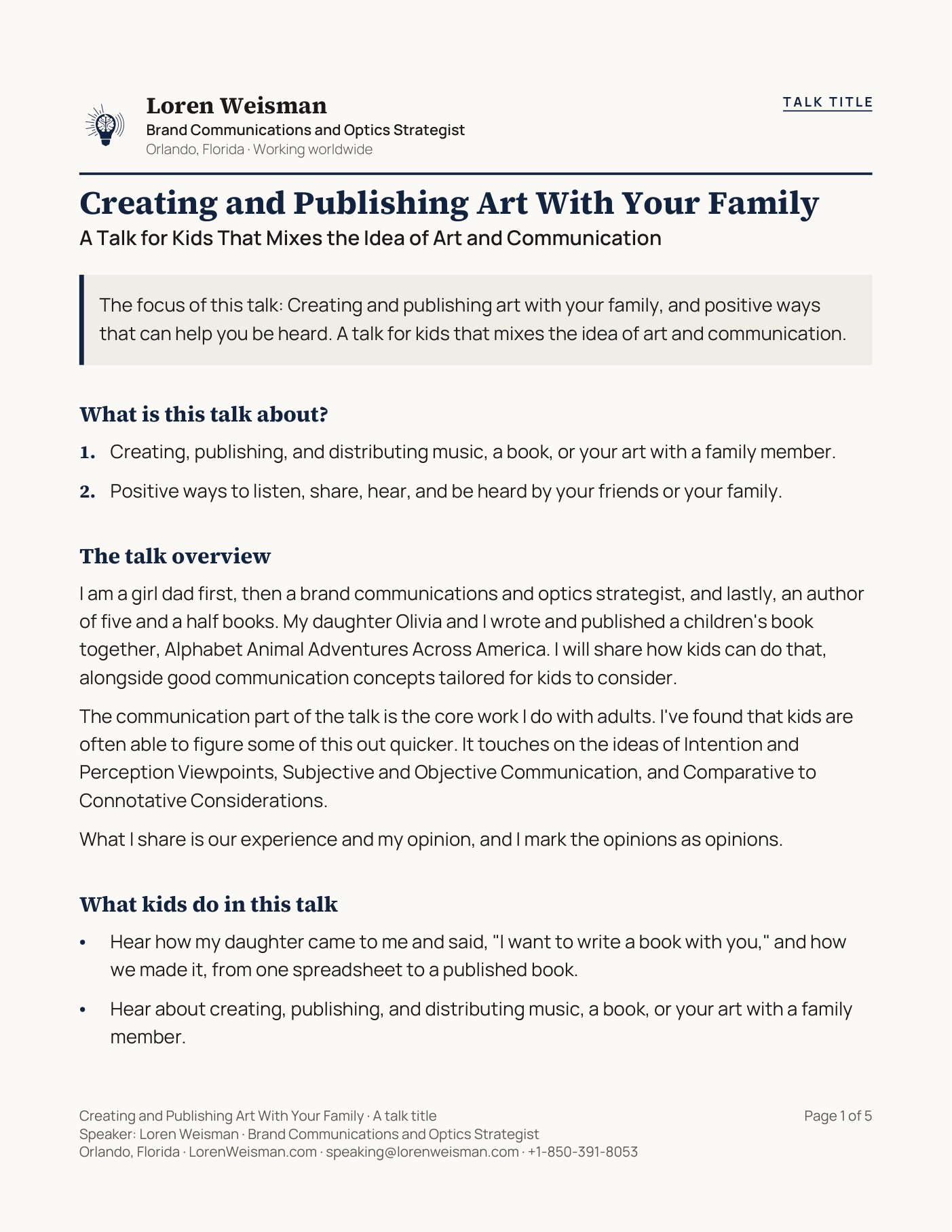
Download
Creating and Publishing Art With Your Family talk sheet (PDF, 5 pages) 78 KB
The talk overview, the two topics and the concepts, the event length, the questions about this talk, and the speaker and presenter bio in one file a teacher can forward. Searchable text and screen reader ready.
Book this talk
Directly, or through a referral partner. Email speaking@lorenweisman.com or call +1-850-391-8053. Run times, what a room needs, the terms and the other talk titles are on the speaking page.
Book Loren WeismanAll talk titles
Speaker and presenter bio
Loren Weisman is a Brand Communications and Optics Strategist based in Orlando, Florida, working worldwide. He helps businesses and individuals build authentic and authoritative brands by aligning messaging, optics and communication.
He works with established experts, and with people who hold real knowledge and experience but lack a clear brand presence. The approach emphasizes transparency and truth, amplifying genuine expertise over hype.
His background includes work as a drummer and producer on 700+ albums, television production credits with ABC, NBC, FOX, CBS and TLC, and consulting roles across a range of industries. He has written five books. Four are published under his own name, including Music Business For Dummies from John Wiley and Sons, The Artist’s Guide to Success in the Music Business from Greenleaf Book Group, and Alphabet Animal Adventures Across America, written with his daughter. The fifth is a 2026 book released under a pen name. Separate from those five, he also put out the satire Wordy Worded Words as Wordy Worderson, a pen name he uses openly.
As a speaker he delivers down to earth, educational and applicable presentations. Every talk is tailored to the level of understanding and the size of the audience, from small board rooms to full capacity convention centers. There are no locked in slide decks and no one size fits all presentations.
Loren Weisman is a Brand Communications and Optics Strategist who specializes in illuminating authoritative intelligence and amplifying authentic experts.
Weisman is the host of the brand communications and optics podcast Wait What Really OK.
© 2011 to 2026 Loren Weisman. All Rights Reserved ® ℗
Creating and Publishing Art With Your Family talk title
Related reading
- How We Wrote and Published a Children’s Book Together: A Family Co-Authoring Blueprint
- A Family Co-Authoring Blueprint to Consider
- Alphabet Animal Adventures Across America
- Defining Messaging Tactics From Intention to Perception and In-Between
- Subjective vs Objective Messaging: Opinions vs Facts Online
- Mary Poppins Messaging Transcription
- Defining a Brand Communications and Optics Strategist
The Consulting Side of This Talk
This subject is also worked on directly with clients. It pairs with creative brand development for authors and books listed under services and options, including the discovery, the audit and the blueprint where I look with you at what you are being told by others.