Tag: Improving brand messaging

Improving brand messaging is an archives tag for Brand Communications and Optics Strategist Loren Weisman website.

  • Flipping the script. A fresher approach to marketing communication

    Flipping the script. A fresher approach to marketing communication

    Flipping the script. A fresher approach to marketing communication Flipping the script. A fresher approach to marketing communication Flipping the script. A fresher approach to marketing communication In the fast-paced world of startups and entrepreneurship, effective marketing communication can be crucial for success. However, the traditional “yell, tell, and sell” approach is becoming increasingly ineffective. I touch on this in a recent YouTube short: Stop telling me what to do… and your audience too.
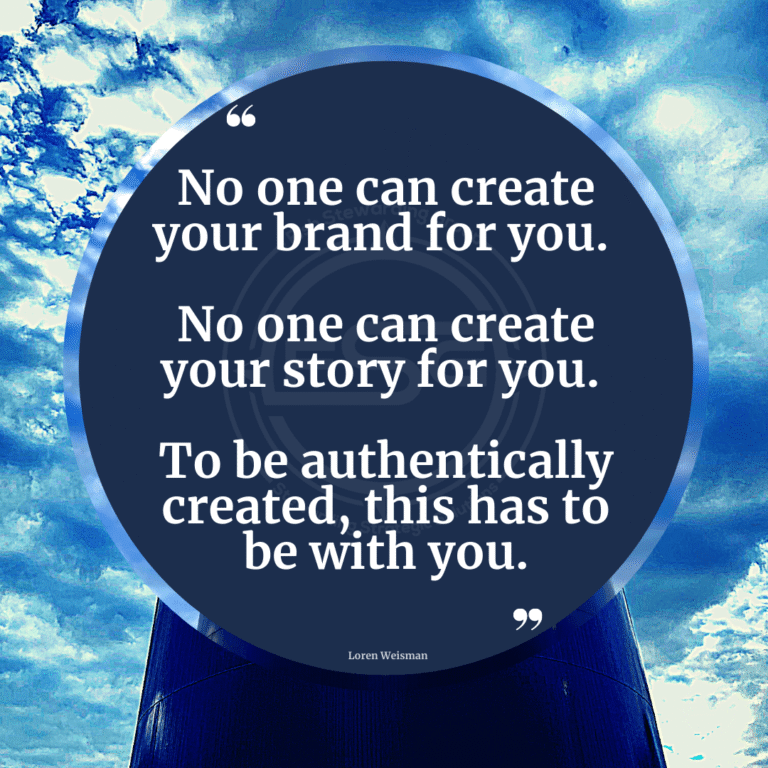
    Flipping the script, no one can create, loren weisman quote, messaging, brand communications strategistThe problem I see with pushy marketing Many businesses, especially startups, seem to fall into the trap of aggressive marketing techniques. They bombard their audience with forceful phrases like “you need to,” “you should,” and “you have to.” This approach, while common, often backfires too. It can alienate potential customers and damage brand-audience relationships. With the over saturation of it as well as the fly by night self proclaimed experts saying “you have to do it this way”, it seems to have grown even worse.
    A psychology angle to the persuasion in marketing Understanding the psychology of persuasion mixed with an understanding of perceptions is one road to improving brand messaging. As of late, it appears more commonly that consumers are slowly being drawn to engage with brands that respect their autonomy and offer value without pressure. This insight to me is key in the invitational marketing approach.
    Building genuine and gentle connections with customers I believe in a shift towards customer-centric marketing strategies. By focusing on building genuine and gentle connections with customers, businesses can create a more loyal and engaged audience that may be exhausted from the pressure pushes elsewhere. This idea aligns with the growing trend of empathetic marketing techniques that consider the consumer and their broader experience over just pushing as hard as possible at every one.
    Soft sell vs. hard sell. Which works better? The debate between soft sell and hard sell marketing has been ongoing. However, soft sell techniques are growing in their chances to lead to better long-term results, especially in building brand trust through authentic communication that steers away from excessive hype and unsubstantiated claims.
    A few alternatives to pushy marketing Instead of using the more dominant and forceful language, consider adopting some of the non-aggressive marketing techniques. These can include these two ideas: Creating inviting and engaging marketing content that stewards over just the sell. Using subtle marketing tactics that ask, invite and do not force.
    Implementing effective call-to-action alternatives. For example… Instead of using the “don’t forget to like, comment and subscribe” Consider instead… if you want to learn more, if you enjoyed the content or here is where you can get more information. This is not passive. It is a chance to connect a new viewer in a less forced way.
    Flipping the script, Standing out by being transparent, loren weisman, quote, brand brand communications quotes, loren weisman quoteImproving brand-audience relationships By flipping the script on the traditional ask, businesses can significantly improve their brand-audience relationships. This approach involves: Using a softer, kinder tone. One you would want to have used on you. Considering how people are treated online by so many other sellers. Differentiating your brand with a non-forceful ask that illuminates what you have or are about over pushing.
    Shifting to the A over the THE approach.  Try You are a this or a that… Instead of claiming to be the this or the that. This humble approach can also help fight potential claim issues that could stack your website or SEO.
    Conversion Optimization Without Pressure Contrary to popular belief, conversion optimization doesn’t have to involve pressure tactics. By focusing on creating valuable content and building trust, businesses can achieve higher conversion rates organically. Yes, it is not viral, but it can end up being a lot more true than hype numbers of some of the competitors that have little to show for actual conversions. The Power of Invitational Marketing Invitational marketing is about creating an environment where customers feel welcomed and valued, not pressured or manipulated. This approach can lead to stronger brand loyalty and more sustainable business growth. And this is not some buzz phrase. Claiming you invite but not applying the invitational tactics, only contradicts you and your brand. Writing Non-Pushy Marketing Copy Learning how to write non-pushy marketing copy is essential for this new approach. It involves: Using inclusive, humble language Focusing on benefits rather than demands Allowing customers to make their own decisions
    Conclusion: A shifting time for marketing communication and messaging Many people have grown tired of forceful marketing tactics. By adopting a more inviting and humble approach, businesses may be able to stand out that much more in a crowded marketplace. This shift not only respects the audience but also has the potential to create deeper, more meaningful connections with exhausted audiences that could be ready for a different tone, tactic and temperature in marketing communication. In the world of startups and entrepreneurship, where every interaction counts, this approach to marketing communication could be the key to long-term success. By flipping the script on the traditional ask, businesses have a chance to create a more engaging, respectful, and what I believe will be ultimately a more effective marketing strategy.

    CommSphere: Marketing and Messaging Short Video Musings. [embedyt] https://www.youtube.com/watch?v=0ZWykZ3xOwI[/embedyt]


    Flipping the script. A fresher approach to marketing communicationFlipping the script, before you ask them to subscribe, loren weisman quote


    Loren Weisman is a Brand Communications and Optics Strategist who specializes in illuminating authoritative intelligence and amplifying authentic experts. * Weisman is also the host of the messaging and optics podcast; Wait What Really OK. * LW Website * © 2011 to 2026 Loren Weisman. All Rights Reserved ® ℗ * Flipping the script. A fresher approach to marketing communication

    Related reading

  • Shop Local Shaming Transcription

    Shop Local Shaming Transcription

    Shop Local Shaming Transcription for Shop local shaming and small business messaging missteps Wait What Really OK Podcastshop local shaming transcription, wait what really ok

    Shop Local Shaming Transcription

    shop local shaming, wait what really ok, loren weisman

    Released on November 27th, 2020

    🎙️ Tune In: Listen to this Wait What Really Ok Podcast Episode Shop local shaming and small business messaging missteps on Spotify Apple Podcasts Pandora Amazon Music Spreaker YouTube and other platforms.


    Shop Local Shaming Transcription Chapters


    Shop Local Shaming Transcription Chapters: 00:00 – Introduction to Small Business Messaging 01:39 – Problems with Shop Local Shaming Tactics 02:45 – Why Guilt-Based Marketing Fails 03:18 – Encouraging Positive Community Engagement 04:32 – Real-Life Examples of Local Business Messaging 06:13 – Importance of Authenticity in Branding 07:28 – Customer Loyalty and Honest Communication 08:41 – Overcoming Negative Perceptions in Marketing 10:05 – Moving Away from Fear-Based Messaging 11:17 – Creative Strategies for Small Business Growth 13:03 – Building Better Community Connections 15:13 – Conclusion and Final Thoughts

    Shop Local Shaming Transcription Text


    Shop Local Shaming Transcription


    Song: Wait, What? Really? Okay. With your host, Loren Weisman. This is a fully licensed theme song for the show about stuff that makes you say, Wait What Really OK

    Loren:  Houston, we have a problem and that problem is audio. My name is Loren Weisman. This is the brand messaging podcast. Wait, What? Really? Ok. And I’m coming to you today on my headphones because of errors and problems and issues with my microphone and the other computer. So I apologize for the quality of the audio. I hope the quality of what’s being shared is something you can resonate with.

    This episode is called the Shop Local Shaming and Small Business Messaging Missteps. If you’ve noticed at all, there is a tone, and this is in a lot of different places all across the country and even online, on television and even in a shop window, there’s an aspect about, and I have no problem with it, Shop Local. I personally, from an authentic messaging standpoint, would rather see it delivered a little bit more of consider shopping local. And here’s what this is, and here’s what that is, and here’s what we have.

    The problem I see is the shaming that goes on, the insulting, the aggressiveness, the passiveness aggressiveness, and then the insulting and the assumptions that go along with the Shop Local trend. Now, there are some, I’m not saying this is all. There are some very moral, honorable local business owners, local shops that are out there and they are inviting in honor, they’re inviting in love, not using fear tactics or pressure tactics or toxic tactics for that matter. So again, this is not pointed at them, but there are a lot of people out there that are taking an approach that is irresponsible, unprofessional, dishonorable and just all out rude.

    Where does anyone, and we saw this in a couple places here in Orlando. Where does anyone have the right to say, if you don’t shop here, you don’t care about your community? When I saw that in a particular sign and a particular message that came out online. I do care about my community and I do care about messaging, motioning, connecting in love and honor. And I will never shop there again if it comes to an insult to try to draw an audience, to get conversion. How is that going to work? And especially in these days, we’ve seen this tone before.


    Fake Authors Using AI. Podcast Links and Transcription


    Shop Local Shaming Transcription Continued:

    How could you possibly go to Walmart? Oh, you’re just going to go to one of those big box stores and grab one of those things when you could get one of these and it’s locally made and this feeds into the economy. Now again, I am all about local businesses. I am all about small businesses. But when they are communicating and they’re messaging, and if they want to do it with authenticity and authority, invite me instead of ordering me, and instead of shaming me, explain what you have. Shop local.

    You know what? Take it up a notch.

    Take it up a notch of respect and honor in a time that’s challenging, in a time where a lot of people have lost money. Explain the difference beyond just a statement. And really with a lot of these local businesses that are in tight shape, I completely understand that. But where is it fair for the other people that may not have a local business?

    Maybe they work for a big box store, maybe they work for a corporation, maybe they work for Disney or somewhere where they have lost their income. And right now, the concept is, I’ve got three kids. I want to get this many presents for each of them. If I go here, if I order online on Amazon, I’ll be able to do this. Yes, I want to be a part of my economy, I want to be a part of my community, but also right now, I want to take care of my family. How can those people be faulted?

    And the fact that people have attacked on Twitter, on Instagram, on Facebook, saying, well, oh, there was one that was great earlier this week and it inspired doing this, this podcast now was something, you know, you could get a couple less items for your kids and you could get them locally and how much would that make this business feel good?

    I’m sorry, as a father, father of one, my focus in the things that are needed come to my family in the time that I’ve lost, not being on the road, not speaking, certain things being held up. Yes, I still do want to support my community, but my first responsibility is to my wife, my daughter, my family and the well being there. And as this has all happened, it is looking at a budget and going, okay, where do we trim? Where do we slice things down a little bit? What can we do? And you know what? I get that the local gas station, that might do a little bit more for this particular person, but I have a Walmart gas station that’s about five minutes away.

    And I have a Walmart card which adds an extra discount there. And I’m sorry that right now. No, let me pull back on that. I’m not sorry right now at this time. When it comes to gasoline, when it comes to putting fuel in these two cars that we have, that’s one area where I’m going to save as best I can.

    It comes to the same thing in Other areas, it comes to the same thing. In presence, it comes to the same thing, okay, you know you’re shamed to go to Starbucks. There are many people support this community. Come here and have this coffee at this coffee shop. You should be supporting local coffee. Coffee, tell me what you have. Tell me about your flavors.

    What if just as a subjective opinion, what if that local coffee shop just sucks and they’re to you not saying it’s to everyone it’s subjective. But what if it sucks to you and you don’t like their coffee and maybe you prefer Starbucks, maybe you prefer Dunkin Donuts, maybe you have a personal preference where it tastes that much better to you.

    And in that experience, how are you not being a part of your community by saying, okay, well I’m going to go get coffee here in the mindset of this larger scale of your budget, for us to all truly love our community, according to many individuals out there, we have to probably be spending tenfold of what we’re spending right now and make it all completely localized. And again, on the other side of it, and we’ll flip the switch.

    shop local shaming transcription, if you can vote many times for a contest or award, loren weisman quote, brand communications and opticsWe’re at seven minutes. Let’s go positive here.

    On the other side of it, if the product just isn’t that good or if you don’t know that much about it, people, you’ve got to come in here and see my place. Let’s move away from that. Invite them on social media, not just to put out these shop Local and it’s shop Local days and support your community.

    Because in a way, a lot of these families need that support right now. And to be shamed and guilted for buying their presence on Amazon, getting their gas or food at Walmart and making certain decisions that they have to make right now and to be shamed for that because they’re not helping a particular business that also may be in trouble or may not be doing as well. That’s not fair. So let’s now we hit that mark.

    Let’s now mark it over to a softer level of messaging that can be a little bit more engaging. I believe some of the problems where this kind of messaging shows up and this guilting and this shift shame and this aggressiveness or passive aggressiveness can be solved in inviting the flip side of not saying shop local. Because even if you’re that individual that is not using shame tactics right now just to put out shop local and come from the intention of, well, I’m not saying that that’s not going to complete and put together what you want to see or get the perception of.

    From an audience because they’re experiencing it from other people. Shop local is trending emotionally as a bad word to many because of that guilt that they’ve seen in other places. Oh, well, that’s not me. It doesn’t matter. So to flip that over, to understand, to get out the intention of your heart, to get that through to the perception of Most begin to talk about and begin to invite or at least consider it what you do, how you’re doing it differently. How could there be a variation? Okay, you know, I know some toy stores out on the west coast and they flip their messaging. We talked about this a couple years ago.

    Shop Local Shaming Transcription Continued:

    They flipped it from, you know, don’t go to Amazon and don’t go here and come here. It wasn’t working well for them when they began to flip their messaging to say, you may want to get. If you buy this here and this breaks or you have a problem, you can bring it back to us and we can look at it. We may be able to help you. We may be able to get this thing repaired. They had this teddy bear repair system and it was basically, they were tied to a person in a strip mall that this toy shop was attached to that where that did sewing and seamstress stuff. So part of their upsell, which was much more engaging than a guilt push, was if that dog gets to the bear, okay, if you got to do it on Amazon, that’s fine, but if that dog gets to that bear, if, you know, kid bites it, if whatnot, within this amount of time, we’ll patch them up for free. So now you’ve just brought a different offer to the table.

    You brought a different light to the table. You brought something that has, I don’t want to call it a warranty, but an extension to it. In addition to it, many of these shops also to begin to tell the vicarious story of this is how I opened, this is what I did. This is how it’s been a little scary. These are the things that we’ve been doing in Covid. These are the things that we do.

    Not to beat out Amazon or Walmart or Target, but how we work to differentiate. It’s not going negative. It’s not saying you’re not going to get this kind of customer service and they’ll never get back to you, but we will. It’s explaining your customer service. It’s inviting people to your story. In small businesses, the messaging oftentimes it heads. When it’s in a fear place, it heads toward shame.

    It heads Toward attacking.

    Let’s not attack Target,

    Let’s not attack Walmart.

    If you’re a small business right now that regardless of your feelings of their operations or whatnot, you may have a great deal of an audience that will associate your attack with more of that shame, with aspects of the perception that may not tie to your intention. But overall, it’s still sitting in a place of fear and it’s still sitting in a place of anger. So in the ways that you can begin to or further tell the story of how you came about things that you might carry that nobody else does, what is something about you?

    You know, there’s a new bookstore here and all we’re seeing for certain media is and this was a proven concept over here. So come here. And this was. Tell me about the store. I walked in there for myself with my daughter and I found this cool little, you know, children’s area. Just a different type of vibe, a different thing with what was going on with the books. It was inviting. And I don’t see that anywhere online. I just see this is new and support local business. It’s a beautiful bookstore. It’s the same thing with many of these restaurants. It’s not shaming somebody for going to Chili’s, but. And not necessarily crossing.

    Do you really love the Chili’s avocado cheeseburger? I do. I think its great.

    And I had a guy in a place that was in Winter Park about a year back and he said, and it was just a beautiful, humble approach. Have you ever had that thing over at Chili’s? It wasn’t a judgment for going to Chili’s. Well, we do a little bit different with the avocado sauce and we use this little pico with the avocado and we add this, this and this.

    You might like it. It wasn’t. You’ll love it. It’s better. You’ve got to have. You shouldn’t go to Chili’s. It was an engagement. It was a beautiful form of authentic engagement to draw something that I liked from a larger scale chain restaurant to invite me to try a local burger place and try what they were doing and giving me an idea about it. And yeah, I went and yeah, I spent the money and the next time I’m out in Winter Park, I’ll probably go there again.

    That’s the story. That’s the flip. That’s where we lose. We move from the shaming and the aggressive and the fear to a place of love and engagement. And it will do worlds better for your business if we Invite people by explaining about you, about the store, about the employees. Are you looking into a certain product here? Try to come on Tuesdays or Wednesdays when so and so is here. He or she just really knows their stuff. And even in the knowing, knowing the stuff, you buy plenty of things on Amazon.

    You buy things that element, not necessarily somebody sewing up a teddy bear, but that local hardware store, that one place where there’s stuff that you can find out or connect with people, not necessarily just YouTube it online. And again, not knocking that, but you could say something.

    I know you could run into a problem with something like this if you ordered it and you might find five YouTube videos and they might be a little bit vague if you do purchase it from here, here’s how we can help. Now take that up a notch. Add to those YouTube videos. If you are a service provider, if you are a knowledge, an expert, have experience in some of these things, add to that flavor, add to that voice.

    Embellish with your authority and an aspect of vicarious, vicarious connection, understanding about the products and the services. You have now clear out the whole shaming and you’ve opened up the door for people to feel that much and more engaged, to feel you coming at them in love, for them to take a chance and maybe walk through those doors, because a lot of them are not coming through those doors because they don’t want to be shamed and maybe they even want to have a look, but maybe they feel just that much more overwhelmed.

    Shop Local Shaming Transcription, Using brand licensed content is not stealing but it is plagiarism, loren weisman quote, branding quotesShop Local Shaming Transcription Continued:

    Lastly, consider going the opposite direction of shame. Consider not just saying, well, you got a lot, you got to shop local after you leave here, you got to go here and then you got to go here, you got to spend a whole bunch of money that maybe they don’t have.

    Maybe it then becomes something of an ask and an invite, an understanding, a humility. So not only, you know, not going in a derogatory or a negative or a fear way about somebody going to Walmart or going to a big box store or choosing to buy something that’s a little bit more affordable because it’s the right time, but really to be sympathetic, empathetic and engaging.

    I know you may want to go do this, you know, maybe it’s the local Christmas tree seller and it’s that element of, yeah, you want to get your tree here, you know, these are a little bit up. Maybe you’re going to want to do this tree. And if you’re a little worried about our stands, if they don’t come with it in certain places, I heard Walmart is doing this, invite the connection of it. There is a way to support a community.

    Not a lot of people talk about that.

    There is a way to support a community while at the same time allowing that community to go and save money in different places, the different ways that you can offer up things. Okay, you might want to get this from us here. And you know what, on Amazon you might do better.

    So perhaps you buy these things with us and maybe these other items, you’ll save a few bucks and you go over here. Yes, that might sound counterintuitive to the yell tell sell and the always pressuring and always pushing and always upselling. But right now it’s a different time. And if somebody said that to me, I really would be looking a little bit deeper into that business and how I could support that business.

    Because when I’m hearing words and I’m seeing that a business is not attacking me or that when I look at something and I think, you know, I might be able to get X, Y or Z part of this online. Oh, well, you have to get it here. Well, you know, you got to support local business.

    Wow. We can do the local business, we can support it. We can still love our community even if we’re shopping, you know, Walmart, Publix, wherever else. It’s a harsh thing to read some of those statements of you’re not. I was on some site earlier and it was amazing. It was this list of you don’t love your community if you don’t do this. You have to do it. This is what it does locally. A lot of it. Some of the statements were true.

    There was a lot that was subjective, a lot that was assumptive and a lot that was incredibly insulting. You can love your community in a lot of other ways. You can even share about certain businesses because you might not even be able to go there and you could recommend them. But in this tone, in this timbre, in this tempo. Right now let’s move away from the shaming.

    shop local shaming, Invite by explaining about you and your store, loren weisman quote, brand communicationsShop Local Shaming Transcription Continued:

    Let’s allow for a standpoint. I mean, if it was the same thing for you, let’s say, and maybe for some of these shop people it is, and these store people it is. Are you really going? Would you. What if the shoe is on the other foot? Or maybe it is and you have to go certain elements and you have to go a little bit cheaper here and you have to go a little cheaper there.

    Yes. You can’t possibly, and some people can’t possibly have that be understood for their business. And yet they’re asking it for others. So the close in this thing, the concept is the messaging missteps as a whole is an arrogance and a lack of humility, a lack of empathy and a lack of understanding.

    It’s also a missed point that the intention of, well, I’m just saying shop local because I want people to support the community and that would be really nice. The perception of that by many is being read as insulting because many people are insulting, many people are shaming. I’m not saying don’t necessarily have the shop local sign out there, but add to it, add under it, explain what you have, what you’re doing, allow for the tagline, the ask the call to action to include a reason why.

    And not just shop local. Give them a reason why they should shop local with you beyond all the reasons that they’ve heard that go from the aggressive to the passive aggressive to you don’t love your community, explain about the products, explain about the additional services, explain about the care, explain about the staff, engage people to make that decision.

    And even if they don’t continue in that more positive mode to eventually, as people have a little bit more money, have a little bit more time or continually see you, maybe they’ll circle around again. Because the insulting, the attacking, the shaming, the acting in fear and arrogance and anger is not working. And not only is it not working for you, but as you, if you’re putting that out there, it’s hurting other local businesses too. So consider taking that step back, standing in love, not fear.

    Sharing authenticity and the story and the invitation and the store and the employees and a little bit more about the products and a little bit more about how they may get a better service from you for getting it through you. And then in that, continue that kind of endurance, engagement with authenticity and authority.

    No negativity, no bashing the stores, but in a sense, and in the end, moving away from the, you know, shop local and giving them a reason why they should consider shopping local and why they should consider shopping with you. And in that consideration, in that invitation instead of an order, you may find the orders moving up more and more and more. Wait What Really Ok.

    Shop Local Shaming TranscriptionShop Local Shaming Transcription


    * Loren Weisman is a Brand Communications and Optics Strategist who specializes in illuminating authoritative intelligence and amplifying authentic experts. * Weisman is also the host of the Brand Communications and optics podcast; Wait What Really OK. * LW Website * © 2011 to 2026 Loren Weisman. All Rights Reserved ® ℗ * Shop Local Shaming Transcription

    Related reading