Consider why cookie-cutter branding strategies fail and some ways to break free from the mold. Brand Communications and Optics Strategist Loren Weisman reveals a few thoughts to consider in order to create authentic, personalized branding that truly represents you.
As you look for the right help, look to find the right people who understand your personal voice and vision, and avoid getting trapped in a generic brand box by those consultants that sell template hype.
Unlock your true potential and stand out instead of fading in with the crowd.
Just because they came through an experience, does not mean they have the experience or ability to help someone else.
Are they branding you into a box that you don’t fit into? Many of the branders, the people that begin to lay out everything from the logos to the content to the communication to the strategies, oftentimes they’re working off of templates and ideas.
These aren’t necessarily bad templates, and they’re not bad ideas; they worked for others. But who did they work for? What was the budget? What was the audience? What was the product or service? Are they branding you for you or for someone else?
You can run an array, a list of all these different things, where oftentimes it’s bypassed and the individual, the personalization of it, is gone. So they claim to have the answer, and it is the answer for someone, but it might not be the answer for you.
Ensure when you’re doing your brand foundation, your communication, your optics, that you’re working with a team or someone that’s looking at you, not trying to fit you into a box but build the foundation around what you have.
Are They Branding You Brand Comms and Ops Short Video
Are they branding you into a box that is not you? Looking Deeper.
Looking deeper at this question of whether someone is branding you into a box that doesn’t fit, well, I’ve seen this pattern repeat itself countless times. The real tragedy isn’t just that cookie cutter approaches fail, it’s that they can actually damage your authentic voice in the process.
When you’re squeezed into someone else’s successful formula, you may lose the very elements that make you distinct in your field.
That expertise you’ve cultivated, those authentic perspectives you bring to conversations, the specific way you solve problems… all of that can get flattened into generic messaging that sounds like everyone else.Here’s what I’ve learned from working with clients who’ve been through this…
Recovery takes longer than prevention.
In may cases, once you have been branded into the wrong box, you’re not just building on a foundation, you have to tear down what does not and is not serving you first.
This is why I believe the initial conversation and questions around :are they branding you for you” with any branding professional should focus more on discovery than delivery.
Consider asking potential collaborators about their process.
Do they start with intensive listening and learning sessions?
Are they curious about your failures as much as your successes?
Do they want to understand not just what you do, but how you think about what you do?
Are they branding you true to you?
The right branding coach or strategist will challenge you to articulate things you might not have put into words before. They may be able to help you identify patterns in your work that you had not even noticed.
But they should never tell you who you are…
they should help you express who you already are more clearly.
I feel your brand should feel like putting on clothes that fit perfectly, not squeezing into someone else’s uniform. When it’s right, it amplifies your natural authority rather than creating a performance you have to maintain.
When marketing isn’t grounded in a foundation of authentic messaging with authority, integrity and ability, it can end up costing worlds more, saying worlds less and sounding the same as so many others.
Ready Fire Aim… Are you branding in the wrong order?
Ready Fire Aim
Taking aim and being prepared can do your brand, your communication and your marketing a world of good.
When it comes to your brand, communication, optics, messaging and marketing…
please consider taking the time to aim before you fire.
*
So many ready to reap the benefits of a harvest, yet come off as if they are above doing the work to sow the seeds. Not open to work? Do they only become an asset when every other asset is put into place? Are they serving as an asset and a partner now or should they just be an employee later?
Brand Comms and Ops Short Video
Beware of the “ready, fire, aim” approach to your foundational brand, your communication, and your marketing and messaging.
Many will begin to build a brand, or they’ll revamp a brand, or make certain corrections, and they’ll just start throwing things at a wall and hoping it sticks.
While you’re building that second floor, that first, that third floor, fourth floor, the foundation is not sound, so it’s all potentially going to come crumbling down.
Work on “Ready, Aim, and then Fire.” Build the foundation, set the blueprint. Realize that some of the stuff that you want to do today can impact many years to come in a negative way as well as in a positive way.
When you format the foundation of your brand, your messaging, your communication, and your optics correctly, compliantly, and with continuity, it can amplify and reach that much more, that much quicker, that much cheaper.
Amplified authentic opinions can be driven with passion while still anchored in respect for those that have a different view.
A strong brand begins with a solid foundation, not an impulsive launch. In Loren Weisman’s Brand Comms and Ops YouTube Short, he warns entrepreneurs against the common “ready, fire, aim” approach in branding and marketing. Instead, Weisman’s advice is clear: strategic planning must come first.
By following a “ready, aim, fire” mindset, small businesses can create a compliant and coherent blueprint that aligns with long-term goals and messaging continuity.
Rushing through brand development often leads to wasted resources and inconsistent communication. Weisman points out that building on an unstable foundation can undermine growth and limit your reach.
Without proper groundwork, businesses frequently find themselves backtracking to fix fundamental messaging problems, which costs significantly more time and money than getting it right initially.
When you format branding, messaging, and optics correctly from the start, efforts can amplify, resulting in faster, broader, and more cost-effective impact. This strategic approach can help to ensure that every piece of content, every marketing campaign, and every customer interaction is reinforcing the same core brand values and positioning.
Weisman emphasizes that this methodical approach isn’t about perfectionism, it’s about intentionality and authenticity. Many smart entrepreneurs understand that a well researched brand strategy can serve as a north star… guiding decisions and preventing costly pivots down the road. The preliminary work of defining target audiences, competitive positioning, and a true authentic brand voice can create a framework that makes future marketing decisions clearer and more effective.
For small business owners, this may mean taking time to set authentic communication strategies and compliance standards before launching any campaign. This includes conducting thorough market research and establishing clear brand guidelines that a team can follow consistently. The investment in upfront planning can create a scalable system that grows cost effectively with the business.
The potential payoff?
Sustainable brand growth and lasting audience connection that goes beyond fleeting marketing trends and builds genuine customer loyalty for the long term.
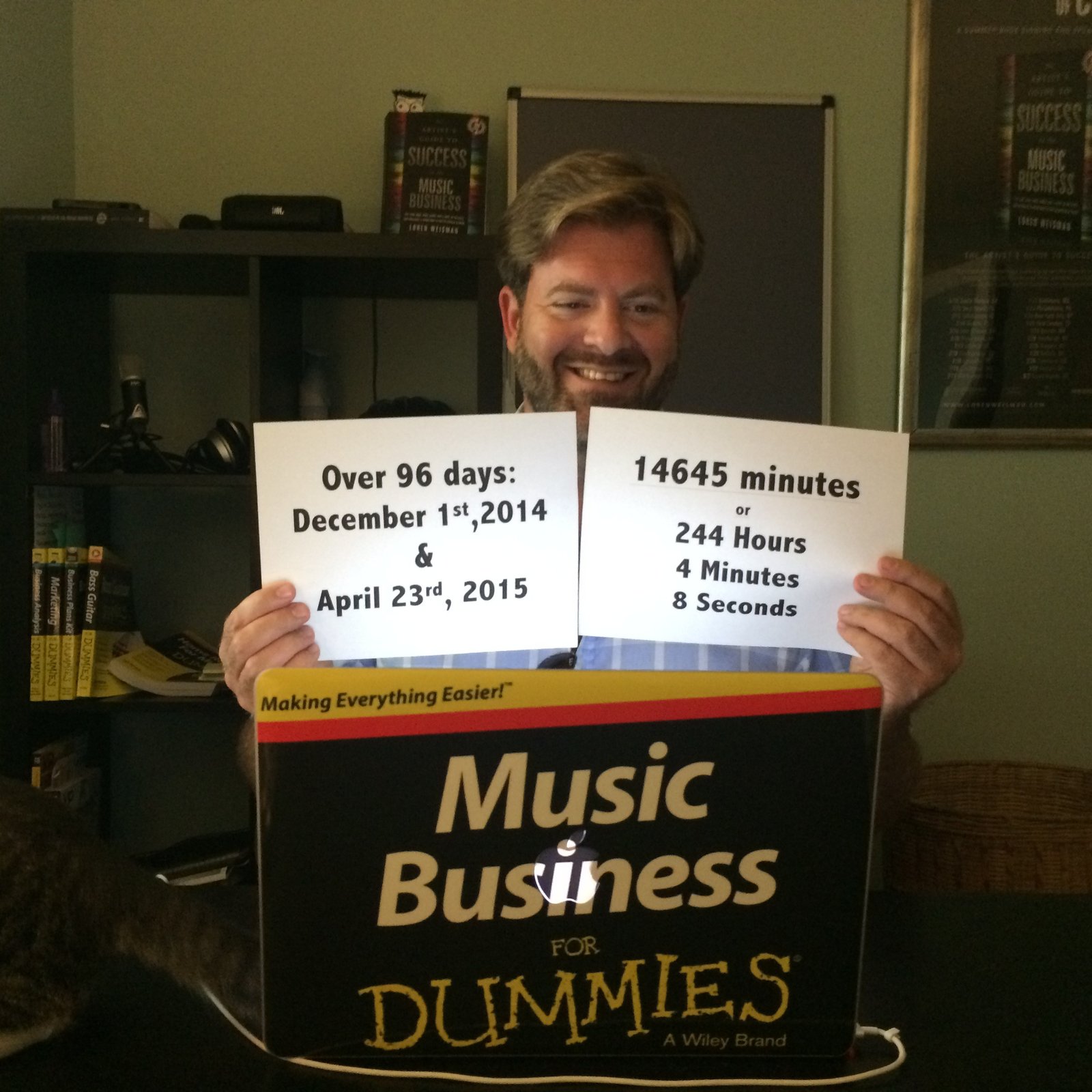
Loren is also the author of Music Business for Dummies and The Artists Guide to Success in the Music Business Ready Fire Aim… Are you branding in the wrong order?
Updated Bio, Brand and Background Blog for Loren Weisman
Loren Weisman is a Brand Communications and Optics Strategist who specializes in illuminating authoritative intelligence and amplifying authentic experts.
Loren Weisman is a Brand Communications and Optics Strategist focused on building truthful, transparent messaging and optics foundations so authoritative experts and organizations can stand out authentically in competitive landscapes. His methodology centers on strategic blueprinting before marketing, aligning brand strategy, messaging refinement, communication optimization, crisis communication and optics, and digital media/marketing strategy to create clear, uniform, and effective presence. His background includes participation on 700+ albums as a drummer and producer, TV production credits with ABC, NBC, FOX, CBS, and TLC, and authorship of Music Business for Dummies and The Artist’s Guide to Success in the Music Business.
With a keen eye, ear and nose for detail as well as a passion for transparency, Loren is able to help authentic and authoritative businesses and individuals build robust brand and communication foundations that resonate in truth, tact and trajectory.
Loren’s approach is rooted in strategic blueprinting across various fields including:
His methodology focuses on highlighting genuine expertise rather than manufactured hype, ensuring that a client, their brand, service and or product has the ability to stand out authentically in today’s competitive and oversaturated landscape.
Loren’s comprehensive strategy encompasses:
Brand strategy
Communication strategy
Crisis communication
Optics strategy
Digital strategy
Development strategy
Media strategy
Marketing strategy
By aligning and amplifying all these elements on a sound unison foundation, Loren and a client can create a cohesive and impactful presence for his clients.
Loren works exclusively with established experts who possess genuine authority in their fields or those that have the knowledge, experience and foundation but might lack the desired brand or presence at the moment. His goal is to help these individuals and businesses distinguish themselves both online and offline through clear, honest, transparent, and uniform messaging.
With Loren’s guidance, clients can expect a foundational clean, clear and concise strategy that aligns their messaging, optics, content, and overall presence to elicit the desired response from their audience. His focus on truth and respect in branding and communication ensures that clients’ expertise shines through authentically, setting them apart in their respective industries from those only making claims or promoting empty hype.
In the end, Growing, grafting and branching a brand with a clear and transparent foundation that aligns its messaging, optics, content, communication, perceptions and presence, can offer the greatest chance for a true authority to be seen today.
Weisman has been a part of 700+ albums as a drummer and music producer.
Loren also maintains TV productions credits for three major networks as well as serving as a media consultant for many businesses in and out of the arts and entertainment fields.
Shifting to TV production as well as authoring a few books on the music business, Loren gravitated toward the strategic production elements as much as he did the psychological ones as continued a path leading him in the direction of leaving entertainment and becoming a strategist.
Messaging Strategist Loren Weisman on success books. Looking at the issues, the contradictions, the over saturation, the scams and even some of the good that come from this genre that is pumping out new books everyday.
S7.E3.N116 Messaging Strategist Loren Weisman on success books….
take a deep dive in to a world of literature where the quantity outweighs the quality and where even the term author has seen a reduction in authority.
Success is a very personal and at the same time very subjective term. It is also an addictive one. So many have chased the ideas of success through motivation, inspiration and any success story that can allow someone to emulate or copy it for the same result or better.
One of the problems is that every path to success has many different factors and metrics to it. Many also do not fully understand the extent or involvement of others that allowed that success to happen too. Is their message clear and honed in? Is your message clear too?
Messaging Strategist Loren Weisman digs into the books further… inviting people to double check and vet the authors…
And one of the biggest problems is the author of the success book that has had no success whatsoever. They took the business guy courses, the life coaching courses and downloaded a pre written success book, added a few stories and published it as their own.
It is the responsibility of the reader or the potential reader to vet the material, the stories, the facts and the validity. Still, so many claims, so many promises, so many saying what others want to hear… the business of writing business success books has become an amazing stream to draw revenue from. But at the same time, it is a dried up well when it comes to the morals, authority and authenticity of what is being shared ethically and professionally.
Season 7. Episode 3. Number 116 of the Wait What Really OK Podcast is called Messaging Strategist Loren Weisman on Success Books.
*
Podcast Listening Links:
PandoraAmazon MusiciHeartApple PodcastsSpotifySpreakerTuneInCastboxPodcast Addict
*
Messaging and Optics Podcast Music Credits 1:
Opening Theme Song
“Fully Licensed Wait What Really Ok Theme Song” by RKVC.
Copyright 2016 eMbloh Music (ASCAP)/ Cienzo Music (BMI).
Administered by Ass Backwards Music (ASCAP)/Bass Ackwards Music (BMI)
RKVC Website
*
Messaging and Optics Podcast Music Credits 2:
Closing Theme Song
“News and Information Podcast Percussion Outro” by Doug Hinrichs.
Copyright 2016 Dig And Be Dug Music (BMI).
Administered by Bass Ackwards Music (BMI).
Doug Hinrichs Website
Messaging Before Marketing Transcription Chapters:
00:00 Introduction to Messaging Before Marketing
01:07 Common Marketing Problems & Pitfalls
02:41 Why Marketing Hurts Brands Without Messaging
04:19 Building a Strong Messaging Foundation
06:48 Authenticity in Brand Messaging Strategy
08:30 Maintaining Messaging Integrity Across Platforms
10:03 Steps to Create Effective Messaging Plans
12:55 Avoiding Marketing Hype & Assumptions
15:14 Aligning Messaging with Business Goals
17:28 Compliance & Security in Brand Messaging
19:10 Engaging Audiences with Authentic Content
21:30 Messaging as a Strategic Branding Tool
24:36 Final Thoughts on Messaging before marketing
Song: Wait What Really Really Ok with your host, Loren Weisman. This is a fully licensed theme song for the show about stuff that makes you say Wait What Really Really Ok.
Loren: Hi, this is Loren Weisman. This is the Wait What Really Really Ok. Podcast, a brand messaging podcast. And today I’m talking about the concept of messaging before marketing.
Messaging before marketing, to create a sound foundation before you go to advertising, before you go to PR and before you go to marketing. I’m going to identify, and it’s not every single marketing agency, but I’m going to identify a very common, very high percentage of marketers that showcase a problem that end up hurting and harming many businesses, entrepreneurs, products, startups and even establishing establish businesses.
And then I’m going to go into a concept and an idea to consider when it comes to your messaging, that it might even be time right now, if you can, to put the brakes on a marketing campaign, to put the brakes on marketing as a whole and make sure that your messaging and the messaging palette for your business, your brand, your product, your service is there, it’s sound, it’s laid out and then the restart, the reset, re-ignition of marketing to work with maybe who you were working with already or finding the people that can market and stay on point, resonating, stay with the foundation of what you’ve created.
So in breaking this down in a couple parts, the first part is the problem. I’m going to run through some things that you might be experiencing or maybe you’ve even been questioning. There are a lot of businesses that find themselves deep into a marketing deal, deep in with a pr, a publicist, an advertising plan, and it just doesn’t feel right to them. And then they continue to move on with it because they get a lot of hearsay and they get a lot of information about, oh, we just need to do this. Oh, it takes time.
Yes, marketing does take time, but is it taking too much time? And is this marketing company person, whoever, making it almost like it’s going to take that much longer, that it’s going to be that much more challenging or at the same time harming your brand, your messaging or what you’ve created in the first place?
Messaging Before Marketing Transcription Continued:
Then I’m going to go into a couple different ideas to keep in mind to put in check, to say, do I have these things in place? And maybe they might be there on the tip of your tongue. Maybe it’s not an entire, you know, revamp.
In some cases it can be, but maybe it’s not an entire revamp. And some of the things that are just so obvious to you, adding that to your messaging, getting away from the assumptions, getting away from the issues of what you think you’re supposed to be doing, according to a lot of these hype, popular professionals that don’t necessarily know what they’re talking about has pushed your authenticity and your authority to the side.
I believe, I hope that in some of these words that they reignite words in your mind that maybe you just put to the side saying, well, I don’t need this. Maybe you do and maybe it’s right there. And then lastly, the sort of checklist, if you will, of some things to hit before you go to marketing.
And then when you go to marketing or you go to a marketing person, whether it’s online, whether it’s physical, a mix of both a publicist that you are in tune and resonating with them and understand what they’re doing with you, not necessarily what they’re doing for you. Because sometimes when you’re unaware, your reputation online can be harmed by the static template, overly hyped, spamming marketers that are doing you more harm than good. So first, let’s identify.
I call them the four A’s.
I’m not big into the whole acronyms and this and that, but here are the four A’s. Are you marketing or is somebody marketing you in authenticity and authority? Or are they marketing in the other two A’s? Assumptions and arrogance.
And many companies, many brands, they’re pushing through to marketing companies in assumptions and in arrogance. And sometimes the intention isn’t even there. The individual is saying, well, this is what we have. This is the best thing in the world. Would you want to hear somebody else say that? Could you say this is the best in front of 10 high level, relatable, comparative, competitive businesses?
It’s not losing your confidence, but it’s removing the arrogance and being as inviting and engaging to those that may be competing with you. Because there’s plenty of room in all these markets as those that you’re trying to capture. It’s hard to make mention of that right now when you’ve got so much negativity around different political campaigns where it’s, I don’t want you to vote for this person because they did this, or, you know, they’re naming out things and sometimes they’re legitimate.
Messaging Before Marketing Transcription Continued:
But it goes so incredibly negative. And even if you’re in politics, maybe it’s time to go more toward that authenticity and not come off with that arrogance still here. When you have the messaging and maybe even differentiating some marketing People say, oh, we do the messaging. What are they doing in the research of the messaging?
That’s where the number one problem I find lays. They want to look for a bio, they want to look for a poster, they want to look for a template. They want to fit you into a box so they can get to the part where they’re pushing you out via online ads, via content, via areas where, in the end, for many of these people, this is where they’re making the bulk of their money.
This creative standpoint for marketing agencies, it costs them too much. They don’t want to spend a lot of time there because they’re not making the revenues that they want. They can make a lot more money in automating a marketing campaign. And again, this is not everyone.
There are some legitimate, authentic, you know, they have integrity, they have morals, but they’re also limited and they’re a rare find. You find a lot of people, you find a lot of organizations. They just want to push and they want to get to that point. So the messaging isn’t that important.
And because it’s not that important, here’s the new tagline. What if that Tagline belongs to 20 other people? Here’s the new pitch that we’re going to do. Oh, we all loved it in this room. Okay. Everybody in the room love to pitch. How about, is that pitch similar to something else? Does it have negative connotations? Does it compare?
Does it compete with another one? Is the timing of that pitch really. Is the wording in that going to resonate? Or is it hitting with something you really don’t want to touch on?
These are some of the psychological, the strategic, and the fundamental foundational aspects that are oftentimes skipped in those marketers that claim, oh, we’ll knock out the bio. And yes, that bio can look good and it can be great and it can be in English and it might have better grammar than I write.
Still, in writing that and keeping in this closed door of marketing, the intention that you have and then aligning the intentions with a marketing agency without looking at the perceptions and all the other elements inside of an audience that’s receiving spam and advertising and marketing every day on everything, without those considerations, in some ways, you’re flying a little blind. Now, here’s some elements, and jot these down.
If, if it’s of any help. Are you identifying, auditing, and reviewing these three sections, these core discovery elements of your brand? And sometimes it may be time to get somebody else to look at. Maybe you’re too close, but you’re identifying the pros, the cons. Are you identifying the aspects and understanding the actions that have been taken to date and the mistakes that you’re not trying to shove under the rug, but recognize and see? What are we doing with these? How are we handling these?
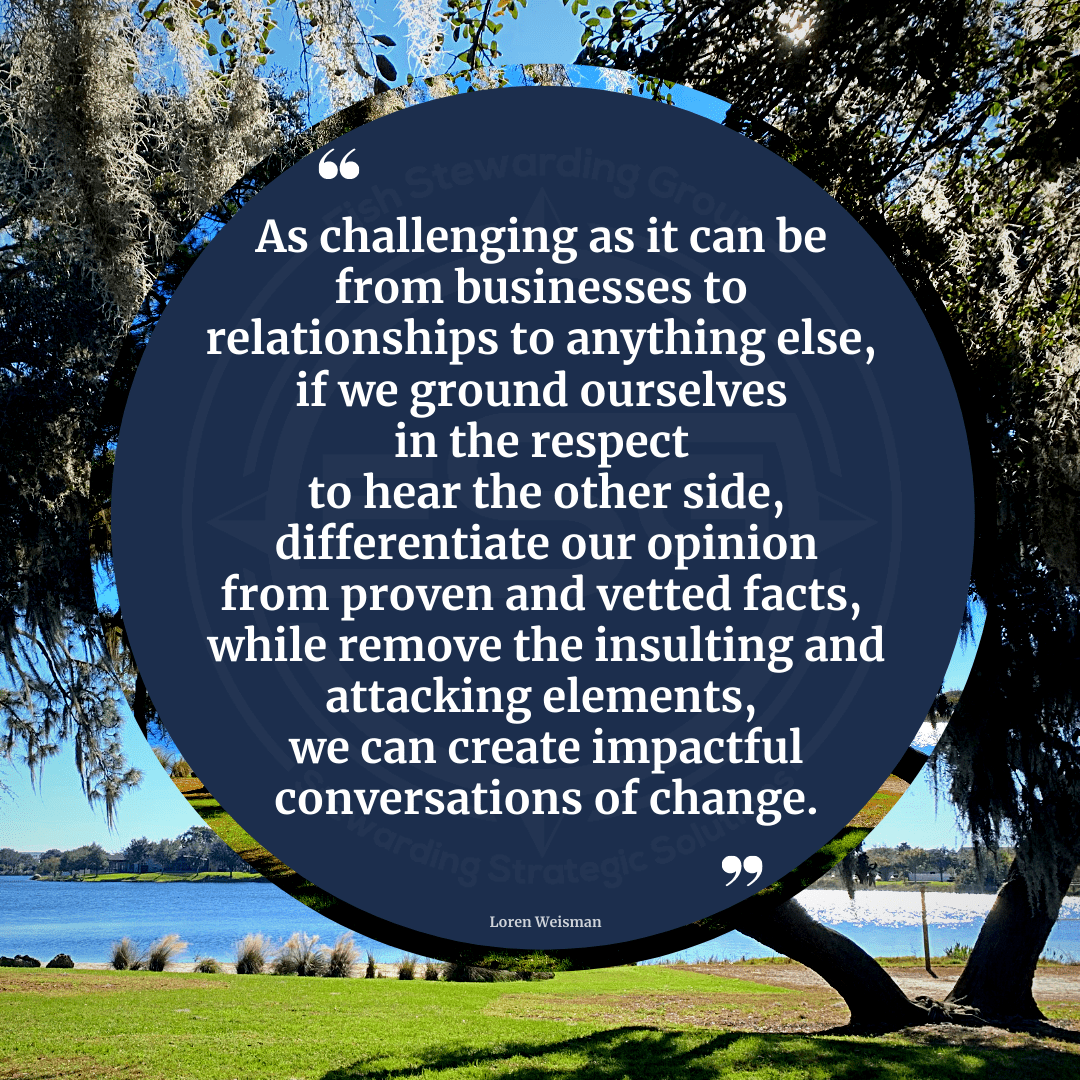
As challenging as it can be from businesses to relationships to anything else, if we ground ourselves in the respect…
All of that comes in a great level of humility that gives information that can help, that can create the right message, that can create the right brand. And it’s not just reviewing for right now, next week, next month, it’s looking across and the next three, the core timeframes. Are you looking where you are in the present? Call it the utopian, the past, the traditional and the plan for the future. The existential.
Is your messaging in what you’re putting out, the shockwave you send out in the moment. Is that being looked at from where you came from and where things are going next? When you’re looking at the trifecta of a timeline, that consideration can be so incredibly helpful to the uniformity of your messaging.
And your messaging will change, it will shift, it will alter, things will move. But when the root and the foundation of the brand and the brand messaging and the core foundation is locked in place, then you move, you switch, you swivel, you change.
Maybe the blueprints are slightly altered for this floor, but your foundation was laid with the consideration that things would change. So it doesn’t send the entire building crumbling down. Now, the operational touch points of your messaging and even this messaging. Remember, messaging is not just the words. It’s not the bio, it’s not the cell.
It’s the messaging inside of the operational aspects of what you have, the protective, the secure aspects, the compliant aspects. Let’s look into the world of cbd. Look into the world of cannabis, thc.
Messaging Before Marketing Transcription Continued:
Look into the world right now of vaccines, different health things, how you can make claims, how things can be mistaken, misunderstood and they can come back to visit you later to create more problems.
One of the roots of foundational messaging in the compliance and the protection and the security is that element of the messaging. From the look to the feel to not only the words that are going out to the public, but the documentation from the non disclosure agreements, the confidentiality agreements.
Your messaging is bigger than marketing and knowing how you’re protected in that protection too, in how you’re protected, it can allow an investor, a sponsor, a partner to feel that much more safe to get involved with you or to gift you something or donate or invest.
That’s the messaging. That’s where it goes in to the security, it goes into the Compliance, it’s not just what you’re putting out there to the world, it’s what you have going on behind closed doors. Is your brand, your brand messaging.
The messaging that you’re putting out, the messaging internally in the company, the, the privacy, the security, the compliance, is that all set in a solid foundation that can be trusted? If it’s not, it’s going to make it, it’s going to make problems for the, the marketing, messaging and everything else that you put out.
People look, look at it from a campaign standpoint, come a circle back around to politics. How much is cleaned up in your foundation and what is prepared for if somebody is going to come at you. And there are many people that are specifically doing that. They’re attacking companies, they’re attacking products, they’re attacking brands.
People say, I don’t need these documents. We’ll deal with that later. Different companies that are sending things themselves that don’t necessarily have the liability and the delivery and return coverage of Amazon, those are spotlighted by people. They want to get a bad package, they want to insert something into it, they want to set up for a lawsuit.
You have people out there that are looking to destroy you. It’s not being overly negative, it’s not a conspiracy theory. There are specifically people out there that are thinking the best way to make money for them is to attack somebody else that can showcase a weakness. And when they identify that weakness, they’re coming after you.
And it’s not saying that you have to be perfectly strong and your foundation has to be completely done. But having that blueprint, that messaging in place before you go to marketing can set you up to be that much more secure, that much more sound and that much more strong.
Messaging Before Marketing Transcription Continued:
Looking over the methodology, the morals, and not just here are our core values. I don’t care. And many people don’t care about your core values. And this is the difference between words and messaging. Is your messaging standing in authenticity, in integrity, in intelligence?
And is that integrity, intelligence, performing across all your internal documents, your external documents, your marketing, your messaging, your advertising, your branding, when it is now you’re harmonizing in a way that’s going to be a lot more challenging to attack and at the same time, in a way that can build trust so much more organically and authentically than going to some spam campaign.
Let’s say, well, we’re going to try this and then we’re going to do this massive ad campaign, we’re just going to push here. And then, well, nothing came from it. We’ll try this differently, I like to see. And this is a very specific example, but it’s amazing to me where people will push a massive online ad and they push it everywhere. They don’t test individual markets.
Why not take that time to say, hey, I’m going to push something out in the Southwest, maybe San Diego, I’m going to do it for a week and then I’m going to try some other campaign and then I’ll do something up in Boston, the Northeast, maybe I’ll do something down in Orlando and then go up to Seattle. These small little tests. And this is a different element that comes with the metrics.
And understand also, though, let’s hit with the metrics right now. Somebody explaining when it’s time to post. Wrong answer. So, yeah, when is the best time to post? There is no best time to post. There is no best ad. Yes, certain things begin to see conversion and results. But then there’s a series of metrics that may not relate to you whatsoever.
For example, if you were to go to a local radio station, a small market, and they sit there and then their references say, well, Kia advertises with us, okay? And let’s say you’re, I don’t know, you make business cards locally. So you’re doing business cards and printing.
And here’s Kia, you have a small mom and pop shop. They are an international brand. You have a very limited amount of marketing money to spend. They’re spending on local radio, national radio, satellite, they’re spending on tv, they’re spending on print. So when they come back and say, oh, they’re great, and we really love our, our engagement with this particular radio station, are you really getting the metrics to make the best decisions for yourself?
And yes, there’ll be people that come back and state, oh, it’s amazing. And these people heard me on the radio. I would rather smaller businesses look to their comparative and their competitives and seeing where that marketing worked and where that messaging worked.
Because oftentimes it’s a lot more about the authenticity and the authority over just slamming and spamming people. This again is why the messaging is so crucial and why inside of marketing campaigns that continue to fail and that continue to cost more, it’s because the messaging was not secure enough to begin to spend and it’s going to take time and it’s going to cost.
Marketing ends up costing. But inside of planning that messaging and having that blueprint, it will cost less. It will take less. It’s still a long game. It’s not a race.
Everyone says you know, it’s a marathon. But getting away from, I call them the myths of opportunity. People see this myth of I’m just going to advertise here, or this person’s going to say this or this one thing, or I’m just going to put all my eggs in one basket.
Messaging Before Marketing Transcription Continued:
That idea. But setting up that foundation basket of your messaging, figuring out from and circling back around the morals, not just the values that you have or stating the values that you have, but getting content out that supports it.
So I don’t, like I said before, I don’t care about your core values. Tell me one of the reasons why you started this business, why you do what you do. And it shouldn’t be that it’s going to take me to get to a website and it’s going to take all this time to find that out or to actually sit down with you.
What if it came to a point where I could find a video and it talks a little and it’s on YouTube and it’s been shared through social media?
Maybe it doesn’t have all the views in the world, but the people that are getting to it and seeing it really get a sense of what your values are, what your morals are, what your approach is, what your methodology is.
Many times in marketing, and it’s interesting to me and it’s, it’s scary at the same time, so many of these certified life coach programs, certified business expert programs, they’re spending 5% of their time on templates that they want you to learn.
And they spend up to Some up to 95% of the time explaining how to market. And in that marketing, they’re sharing fear tactics, spam tactics, ways to dig in, psychological approaches.
Messaging Before Marketing Transcription Continued:
It’s a common place. It’s 5% authority, 95% going after popularity. So in your authority, inside of your authenticity, bring in the messaging and the support systems and the arms and the branches of that messaging that will be so clear for everyone else. It’s not setting up the Facebook page or the Twitter page and say, come like me here.
It’s inside of messaging. After you have the fundamentals, after you’ve covered and you’ve reviewed these elements, you’re looking at the past, the present, the future. You’re looking at the methodology, the morals, the materials, the metrics, what you’re doing, that there’s content to be found. Once someone sees an ad, the biggest execution problem that I see inside of marketing is that it is a singular linear. I’m going to have you see this ad, hear this ad See this image, see whatever, find this search and then it just leads them right to the cell.
It disrespects the audience, it disrespects the engagement inside of your core messaging. And for even his established business to circle back around. Do you have some videos talking about your methodology, about your morals, about why you started this business?
Oh, you know what? Oh, I hate when, and I get this a lot, I hate when people assume this about me or I assume this about my product. Completely understand that where online do you have anything that addresses those perceptions?
Well, I don’t.
I mean when I sit down or I talk to someone, YouTube is free. You see certain things come in, you understand, you address the perceptions. That’s positive, humble messaging that can go to the marketing so that when somebody, when you’re at that time and it’s an ad and it’s testing around with phrases and it’s moving things through different channels, that it’s not just leading someone right back to the cell, but it lets them make some choices.
It’s not well produced videos, it’s not extended podcasts, it’s not long blogs, but beginning to set the foundational blueprint.
Messaging Before Marketing Transcription Continued:
The footprint of your messaging online can then supplement the marketing that comes. So that if someone’s coming through, maybe they’re not ready to buy, maybe they don’t know yet, maybe you still sound like somebody else. But inside of the root of your messaging and the content that you distributed, they have an opportunity to find this out for themselves and find out you are different, you are what you say you are.
And the best part of it inside of messaging, that the perceptions that they begin to have are matching the intentions that you want to put out. For you to go from just your core intention and not consider the perceptions, not consider the over saturation, not consider all of those other aspects and elements that are oftentimes skipped in those marketing stages.
When you respect that audience, that audience will respect, engage and convert with you. And it’s not even necessarily trying to treat an audience inside of your messaging as come buy from me, come hire from me, come do this. But more so to engage in a time when everyone’s selling, to sit back, step back and give them reasons to engage, to learn about you not.
And in the core of the messaging, not that overly dominant, like me, follow me, find me, you know, convert here, leave a review, push, push, push. But shifting the tone to here’s a video on why I started my business.
Here’s something that I do, here’s something that I don’t do one thing I would love to see for more businesses. Here are the type of people I like to work with and here are the type of people I just wouldn’t fit well with. Instead of trying to come off like these, Sir Spamalot, grab everybody 10x your way to the top. Set your standards.
You say you have the morals. Showcase them. You say you have the authenticity. Explain it. You say, oh, once you understand this, I just, I need you to understand me. Teach them, invite them, teach them, engage them authentically.
Move them to be able to make a choice for themselves. If they want to move that much more toward you or learn more, then we go to marketing with that messaging in place. From the taglines to the bios to the understanding of the internal, the external, what you’ll do, what you won’t do. Seeing where some of these phrases have show competition, show too closely compared to something else are oversaturated.
Messaging Before Marketing Transcription Continued:
When you look at the temperature and the tone, the timing of a message, and yes, that part does shift at times. Then you create this palette of sorts. It becomes your messaging palette. It’s this personalized integrity intelligence performance guide. I’m going to say that one more time. A personalized integrity intelligence performance guide.
From discovering the elements of your messaging, of your brand, of looking a little bit deeper than just your intention of looking across a series of different discovery elements, timeframes, operational touch points, how you’re leading with your message, where you might need to shift, where you might need to protect a little more, where you might not want to go, where you might want to go.
Then in connecting with a marketing agency, you’re giving them fuel, a great amount of fuel. This means they can also go to the areas where they want to be the most, but they’ll have the best fuel, they’ll have the best ammunition.
They’ll have the best firepower to move forward and not just throw things at a wall. And again, it’s not every marketing agency that’s doing it, but I stand firm in saying it’s the majority because marketing, to a certain extent, from my experiences, is one of the biggest scams out there as a whole. It’s people that specifically don’t necessarily need to say, okay, well, you’re messaging. We’ll just keep doing this.
Oh, we’ll just keep. We have to keep switching this up. Oh, let’s try this, let’s try that, let’s try that. You’re still going to have to test, you’re still going to have to play. You’re still certain things are going to work great. Other things aren’t.
But with that foundation, that palette, and that initial guide, so that all the changes, all the shifts, all the alterations, all the adjustments still stand on the foundation that is you, your brand, and your messaging, that will allow for marketing and the execution of marketing to work that much better for you. And that’s why I believe messaging comes before marketing.
That’s why, through the Fish Stewarding Group, FSG Messaging and Optics, we believe messaging comes before marketing, because when the messaging is sound, then the marketing can resonate that much farther, that much further, and that much more effectively for you. Wait, What? Really? Okay.