Tag: Brand communications and optics speaker

Brand Communications and Optics Speaker is an archives tag for Brand Communications and Optics Strategist Loren Weisman website.

  • More Players Transcription

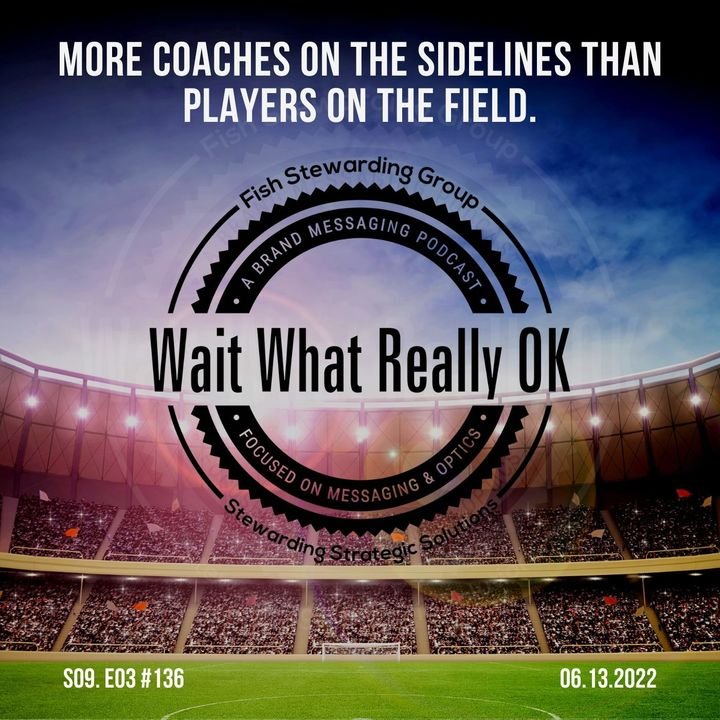
    More Players Transcription, wait what really ok, loren weisman Released on June, 13th, 2022

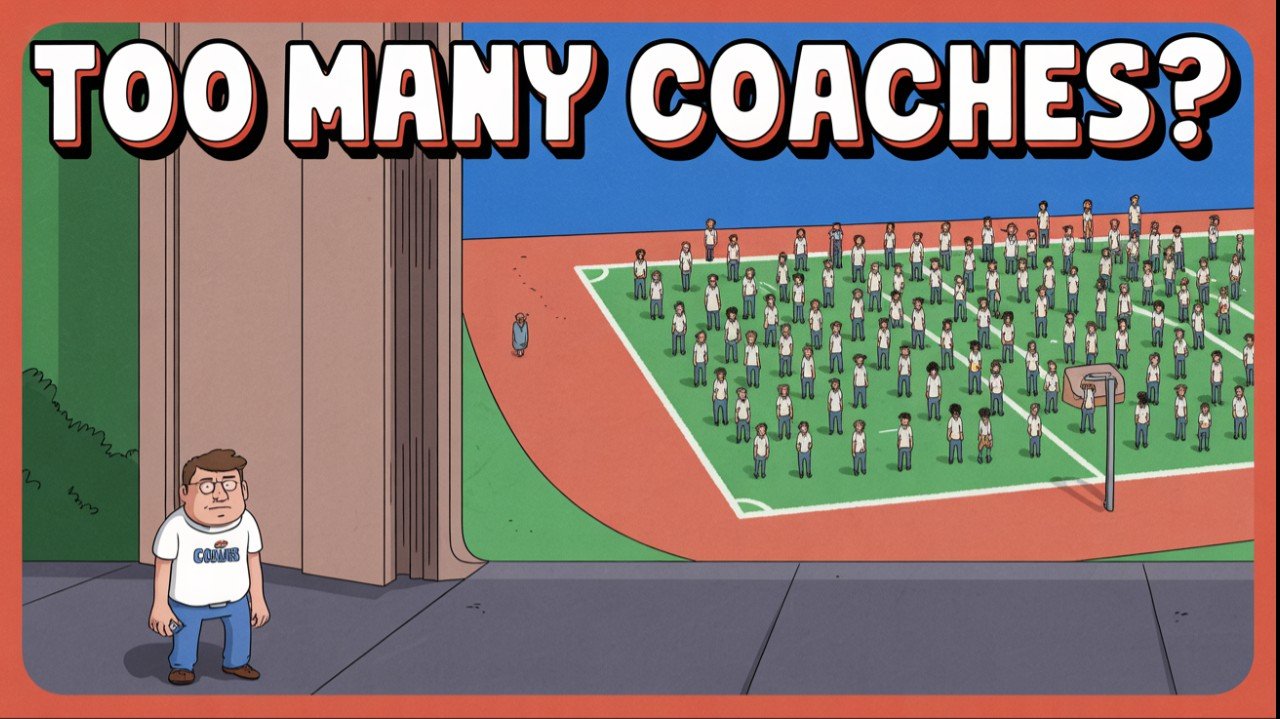
    🎙️ Tune In: Listen to this Wait What Really Ok Podcast Episode More coaches on the sidelines than players on the field on Apple Podcasts Spotify iHeart Radio Pandora Amazon Music Spreaker YouTube and other platforms.


    More Players Transcription Chapters


    More Players Transcription Chapters

    00:00 Introduction: Podcast Overview and Coaching Concerns

    01:50 The Good, the Bad, and the Ugly in Coaching

    03:07 Identifying Red Flags in Business and Life Coaching

    05:20 Authenticity and Authority: What Real Coaches Offer

    07:41 Ethics and Morality in the Coaching Industry

    09:04 The Importance of Due Diligence When Choosing a Coach

    11:29 Contracts, Accountability, and Legal Protections

    15:01 Final Thoughts: Recommendations for Coaches and Clients

    More Players Transcription Text


    Song: Wait What Really Ok. With your host, Loren Weisman. This is a fully licensed theme song for the show about stuff that makes you say Wait What Really OK.

    Loren: This is Loren Weisman and you’re listening to, if you listen to it, the brand messaging and optics podcast called Wait What Really OK. This episode is titled More Coaches on the Sideline than Players on the Field. And while it digs in a little bit into your business coach, your growth coach, your life coach, your success coach, and whatever kind of coaching certification program, it’s not all about negative here yet.

    First off, there are some good coaches out there. They’re authentic. They have the experience, they have the authority, they have the knowledge to be able to teach, to be able to coach. They’ve been through an array of different businesses or situations and they can serve.

    More Players Transcription, hyatt grand

    More Players Transcription Continued: Unfortunately, this part of coaching ends up being the minimum in where we are today, in 2022, in the last number of years, and it’s been going on beyond that. But we’ve seen this new influx. It’s I’ve lost my job, I want to do something different. I want to teach, I want to coach. And yet, before they played on the field, before they experienced, before they learned, before they were educated, many have come into a place where they claim to know it all and be able to teach it all.

    That’s where it gets dangerous. So in this fast track episode, going to run into the good, the bad, the ugly, the dangers, aspects about proving and due diligence, and even a message to some of the authentic coaches, as well as the warnings and baseline red flags to look out for if coaching is where you want it to go. Now me personally, I’m not the biggest fan of coaches as a whole.

    I like strategists. I know some people see it semantic and it’s not just because I am a strategist, but I like front to back. It’s a plan. This is what you’re going to be educated on. This is what you have the opportunity to learn about. This is where it comes together. This is how it lays into the fold. Many times I’ve seen and I’ve heard from clients as well as friends, they tied into situations with coaches and they felt ripped off.

    Now unfortunately, many of those situations, they did that to themselves with the lack of vetting, with the lack of due diligence. Not looking into and not raising the red flags, put them inside of contracts that were way too long and there was nothing they could do about them. And one person send me a contract, they said, how do I Get out of this.

    This is an awful coach. This is an awful situation. I’m just, what I’m getting is terrible. And what they had signed into, there was no way for them to get out. The accountability and the liability was set up perfectly by this particular coach. It allowed them to, you know, for lack of a better word, get away with murder and get away with that for 12 months.

    So this individual had to pay for 12 months. And even as they finally said, look, I don’t even want to be on the phone with you, they still had to legally pay. And that is a story that is harmonized a lot. There are a lot of people out there that are incredibly unhappy with the situation that they got themselves into. But there’s also that element of the accountability of if you’re not looking into this and you’re not taking care of this and you’re not digging a little deeper, you end up becoming part of the problem that has been created, you know, for you, but also by you.

    More Players Transcription Continued:

    So in first in the, in the proving because so many are out there pushing the coaching and there are many models and these models range from the superstar celebrities down to the celebrity courses. Not going to go too far into, you know, what could be perceived as defamation of characters. So I’m not going to name them out, but I’m sure you’ve seen them in your Facebook feed, I’m sure you’ve seen them in Instagram feed. Become a life coach, become a success coach, become a growth coach.

    And what’s a little bit unfortunate is in those ads, you don’t have to have any experience at all to be able to lead people to success. Are you sure? Can somebody really become an expert in anything in five weeks, in 10 weeks, in, in 40 hours? And from there, is it really fair, honorable, ethical, moral to state that?

    Furthermore, would these particular coaches go out and openly and transparently say, I took this four week course or I took this 40 hour course, I went into this hotel and you know, started on a Monday, finished on a Friday, and now I can help you with your business and you have to sign up with me for six, nine or 12 months.

    Now that to me is just immoral. And the ethical boundaries there, they’re a little off to me. But again, who am I to judge? People want to put that thing out there. There are many coaches out there that are stating, I can help your business, regardless of the business, regardless of where you’re at. And yet as you look into this individual, they’ve never even helped themselves. We are coming Into a time. And many of these people are younger.

    They’ve had limited to no experience, yet they feel once they’ve kind of, for lack of a better word, drank the Kool Aid, they have all the answers for everybody. So it’s something to look into. It’s something to look into the background. What course did they take now to be clear, the differential or the differences? Better yet, in correct English, on, let’s say a John Maxwell course and not digging into this and not bashing Maxwell in any way, shape or form.

    If there was somebody that was 50 years old and they’ve been through a series of different businesses at all levels, and they decided, I want to go into coaching, and they use the Maxwell model to hone in the concepts about coaching, but in that using their ability, their experience, their education, their intelligence, the array of their life, to use that course to get that certification, that might be somebody that could be helpful.

    More Players Transcription, loren weisman

    More Players Transcription Continued:

    Here’s the problem, though. On the other side of that, you have an individual who maybe is 18, 19, 20 years old. Maybe they just got out of college. Maybe they’re still working a day job at Subway, and I’m not knocking Subway, but now they take the exact same course, get the exact same certification, use many of the exact same marketing tactics, and are claiming to have the exact same expertise.

    That can be a little dangerous. Yes, younger people can have experience. However, in this coaching realm, is that really moral and ethical? The base of things to me comes down to the profiting at the expense of no one. I believe all businesses, and it’s one of the foundations of the Fish stewarding group, that you can profit from working with someone, they can profit from working with you. And it’s not something where it’s, let’s get as many clients and as many dollars through the door where someone ends up being hurt. If you are not as a coach, if you are not strong enough in your experiences, in an array of experiences, coaching might not be the best place to be. You want to do that a little bit on the side, maybe.

    Ethically, that works for you and that can work for you. I think it’s a little scary when people just decide, okay, I’ve had one linear experience, or I’m ready to be a coach because I want to be a coach.

    I couldn’t be a coach for the New England Patriots. I’m no Bill Belichick. I played football in junior high. So where do I have the right to all of a sudden later on? Because I think I’d be a great coach to jump in the same thing goes with business. The same thing goes. I mean, the motivation elements scare me a bit too. And this business motivation thing, I said a couple years back, if you need to hire someone to speak to you once a week or more than once a week to inspire you and motivate you to go after your dream, maybe you have the wrong dream. Just saying.

    Now, going a little bit deeper, look into the background of these individuals. Look into the courses. They say they’re certified. Where are they certified from? And understand that many of these certifications come down to a passing situation. As long as this coach paid for it, they’re clean and clear. Many of them are not graded or in that grading structure. Hey, if they paid for it, they’re going to get the certificate. It’s included in the program. So looking into that might be a good idea.

    Also look into the materials that they are trying to market to you or lure you in with many of these programs, not all put a focus of about 80, 20 on the marketing on a here’s how to get clients. You’ve probably seen it all over social media. Here’s how to get clients. Here’s how to convince. Here’s how to negotiate. Interesting in that that it never seems to come back to let’s base on your authenticity, your authority, your education, your oftentimes it turns into tactics that look like fluff that also look false.

    I was sitting at a Starbucks the other day in Winter Garden, Florida, and there was a coach speaking to another coach and coaching them on how to be a coach. And part of the discussion was how to write a book so that you can attract more clients. So in a sense, it wasn’t really the authenticity of a book. It was this. And then there was the explanation of here’s how you can use these models that are out there. And there’s some pretty crazy models where 90% of the book can be written for you.

    You tap a cover on, you put your name, you change a couple headers and boom, you have a coaching book. Please look this up online if you don’t choose to believe me. Many of these books are used by many coaches, from health to life coaching to business. And it’s the regurgitation of existing authority to attempt to give off the appearance of this individual’s authority. And that becomes another part of looking in and proving themselves.

    Is this particular coach that you’re thinking about connecting with? Are they only sharing other people’s authority, other people’s quotes, other people’s books, other people’s videos? Are they Just pretty much vamping out a message of somebody else’s authority to try to garner popularity and a false authority on their own.
    more players transcription, wait what really ok, loren weisman

    More Players Transcription Continued:

    I believe a coach, if that’s the route that you want to go, that can organically, authentically and authoritatively help, you will be able to have plenty of content to share with you. And this ties into the whole bait and switch and the hook of, well, I got plenty to share with you, but it’s as soon as you sign up for my course or as soon as you sign up for our sessions, I’ll give you that stuff for where I stand and I won’t apologize for it.

    If an individual coach does not have enough authenticity, experience or authority to be able to share on a daily basis, maybe three times a week or two times a week online through either their own quotes, blogs, videos, audios, their authenticity and their authority on a regular basis.

    Excuse me, maybe there’s someone you might want to put a red flag up with. This is all part of, it’s all part of my secret. There are no secrets online. Somebody shared it online. It’s no longer a secret. And oftentimes when they’re sharing other people’s stuff so great, it’s regurgitating and not saying that other people’s methods are wrong.


    Consulting Referral Agreement for Brand Communications and Optics Strategist


    More Players Transcription Continued:

    However, where is the authority, the authenticity and the engagement of that individual? If that’s not coming through, then maybe that’s not someone to necessarily follow through with. These courses can be store bought. Some of these coaches that will draw you in through a course, they’re pre done, fill out this, do this, do that, all the, I mean look it up, life coaching courses to buy.

    How do I write a book? Can you write a book for me? Many of these things are out there and they’re being used to market a false authority, a fake authenticity to draw someone in. And then again, people are using other people’s quotes, then putting their logos and their names down in the corner going, I love this quote. You should absolutely apply this. That’s not saying that other people’s authority is a bad thing.

    But if all they’re doing, if everything is based on the authority, intelligence and experience of others, then where does this person have authority, intelligence or experience? Check also for the real reviews. Many of the coaching websites will be set up to have, you know, Jim F. Alex J. John W. Greatest thing. I’m so glad I did the year program. Do these people actually exist? Were they purchased reviews or better yet, were these reviews or testimonials even real people?

    Ask that coach, who can I Talk to. Who can I talk to that’s in a similar situation with me? You know, if they’ve. Maybe they’ve coached a millionaire that was able to, that had a great deal of popularity, a great deal of authority. Do they know how to work with someone like you if you’re not a millionaire and don’t have a great deal of popularity? This also goes into looking into the contracts. Are you being forced into a situation where you’re committing for a year and what is inside the accountability of that contract?

    Now, yes, coaching is a vague thing, but a statement of work and an understanding of when things or if things are off, that both of you, both parties are able to separate honorably, that can be a beautiful thing. It’s an honorable thing. It’s ethical. If they’re just sitting there trying to dial it in and dial it up, that can be dangerous. There are also background check sites you can look into, see where these people are.

    Many not. Well, it is many. Many of these coaching formats will use other names. They’ll revamp the title of their, you know, whatever their coaching product is. So once too many complaints come in a certain way, they can just in a sense, rebrand themselves.

    So look a little bit deeper. They might not necessarily be on the Better Business Bureau, but there you can look up right now, you know, reputation management sites, background check sites, Secretary of State sites. Ensure that these people are legitimate. Is this thing set up correctly or are they just following through the.

    More Players transcription, Loren Weisman

    More Players Transcription Continued:

    I’m just trying to get as quick as I can, quick and dirty and get you in and get you locked in. Many of these false hype and template things, they end up hurting and harming these individuals. So in that too, explain, explain that you’d like to know what is your, you know, what is your outlook? What will we be doing on a regular basis? What am I responsible for? What are you responsible for? If it all comes back to motivation and inspiration, that can be a dangerous place to live in.

    So the point being here and looking through that is checking into them, that is taking the time to see if this is something worthwhile. And also, as you look at this, yes, maybe you want motivation, maybe you want inspiration, but is it the time for a coach for you right now, or is it better inside of whatever your product, your service to find maybe a more legitimate course or a legitimate course of action to garner and gain the intelligence? Are you receiving a clear invoice? Are you receiving a statement of work? Is it clearly stated this is.

    These are the things that are going to be covered. Now, it’s not that the. And many of these coaches, well, I can’t promise your success. It’s interesting because in their marketing they will. Yet when you ask these questions, they immediately say they can’t and no, they can’t. No coach can. However, you can get a sense, a tone and a sense of the temperature of what they’re going to do. And if they can’t do that, that might be another red flag to look into and to consider and to the coaches.

    More Players Transcription Continued:

    Actually. Right before we get to the coaches, let’s wrap up here for looking for coaches. If coaching is what you’re going after, if that’s where you’re drawn to vet, double check, practice your due diligence. Look at the website, look at some background checking.

    Consider looking into testimonials beyond what they’ve written on their site. Look for places where you can find authentic information seeds that may be able to help you on your journey and not just a series of people talking about hype and marketing or false numbers, false percentages.

    What you need to do what you’re supposed to do. Let it be an authentic, personal and individualized path for you. And if you find that, that may be where you want to be. Now some people, they might want to go the lower rate, but is that lower rate really what where you want to spend? Are those individuals just going after bottom feeders?

    Also inside of this, do you get the sense as you look this up that this coach is being as transparent with you as they are with themselves? That’s the biggest problem I have with the communication inside of business that many people marketing right now will use marketing techniques they would never confess to and never admit to.
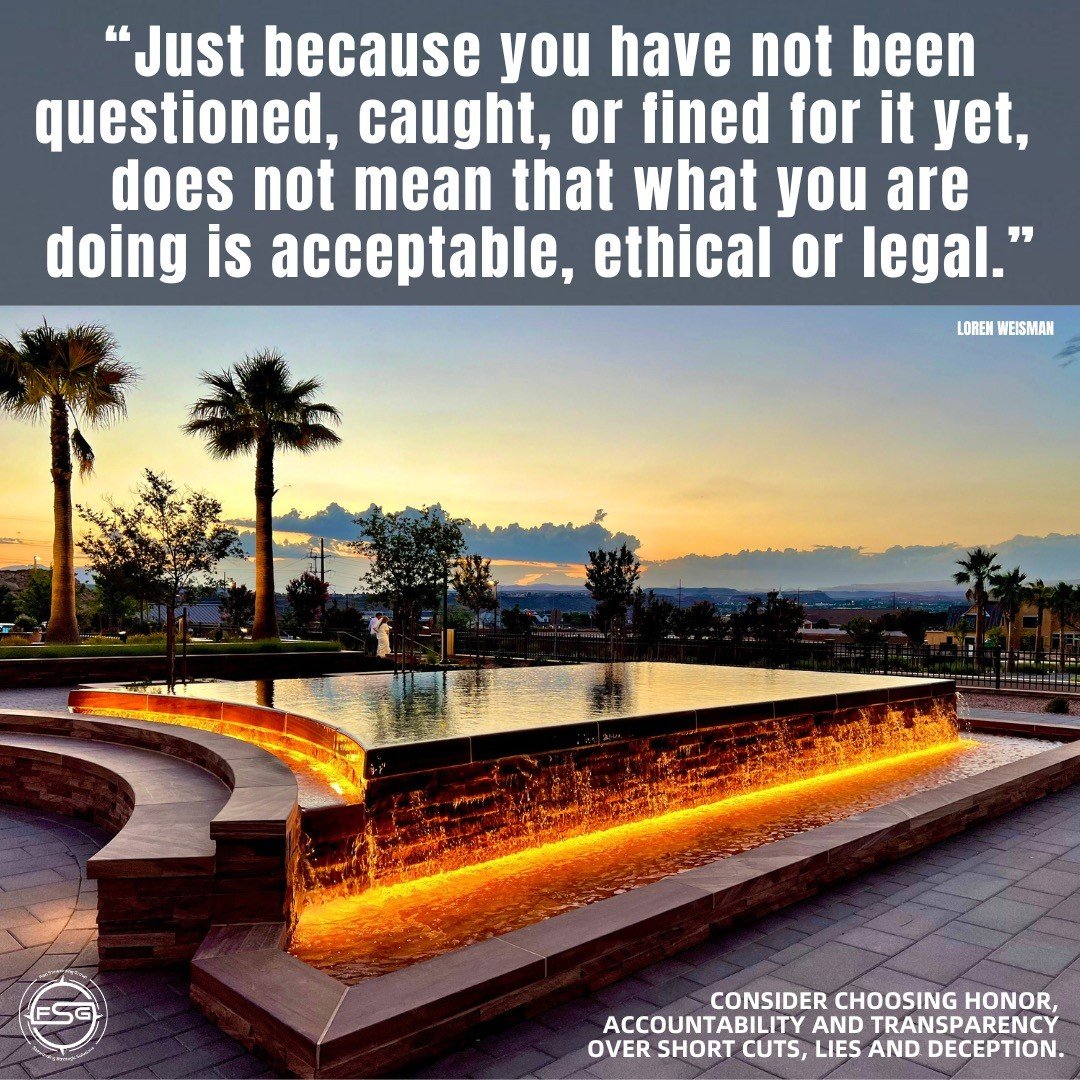
    Just because you have not been questioned, caught, or fined for it yet, does not mean that what you are doing is acceptable, ethical or legal. Consider choosing honor, accountability and transparency over short cuts, lies and deception.

    Just because you have not been questioned, caught, or fined for it yet, does not mean that what you are doing is acceptable, ethical or legal. Consider choosing honor, accountability and transparency over short cuts, lies and deception.

    More Players Transcription Continued:

    And yet they’re comfortable doing that to get clients. Did they buy a 90% written book to try to draw you in? Did they buy a book or write a book specifically for clients and not for any other reason? Fine. If that’s your motive, at least admit it. Look for the transparency and the authenticity. Look for that ability.

    Are they profiting at the expense of no one? Yes, they should gain as you should as well. This is one of the biggest scam fields now in shifting tactic here. As you’ve done your due diligence, as you’ve checked into things, as you’ve looked a little bit deeper, Better Business Bureau, Google business.

    Look into, look into seeing the, the, the, the themes. Has this individual been involved with a truckload of businesses in a very short amount of time? They might be moving toward coaching out of fear and not out of love. And not out of having something for you. So to those that feel coaching is where they want to be, dig deep, dive down.

    Look for the authenticity, the authority, the experience. Look for the truth. Not a truth. Look for something beyond the hype. If it’s all marketing fodder to draw you in to sign up to pay immediately and you’re not getting getting a sense on the front side, maybe that’s something to red flag. Now lastly to the coaches and this specifically to the authentic coaches, to the coaches that have experience, to the coaches that have been through an array of business of the world.

    Consider everything I’ve spoken about for the last 20 minutes. There are so many people and there are many more of them that are not true. They’re scamming people, they’re drawing people in. Consider the perception of the individual audience that you’re going after with your business and consider what they’re experiencing. The yell, tell sell of many of these false coaches, fake profit kind of vibe.

    More Players Transcription Continued:

    Just pushing to get the dollar with your perception and your humility of that. That may help you set up the ability to come off and differentiate yourself without saying oh they’re crap. You’ll be able to share with them what you feel, how you feel, why you are different without saying I’m different, I’m innovative, I’m unique.

    Here are a couple core tips. Make no claims. One of the areas where coaches are getting buried are in the claims. If you make a claim, you are hurting yourself on social media now with the algorithm. You’re hurting yourself online with your website. The subjective I feel if you may experience I like to do this because is a lot more powerful and a lot more honorable and a lot more humble than making promises you can’t guarantee. And it’s in that subjectivity, in that opinion that can help to differentiate you from all these other people.

    Promising when you have also when you have those reviews, point the review back to an individual or if there’s someone you know that doesn’t want to necessarily have their name online, ask them to can can you be a calling point? Can they email you elements like that? Also it’s fine to share somebody else’s quote and somebody else’s authority, but consider as you’re adding to that sharing why you like that quote, why you like that post that video.

    Showcase the authenticity, experience and authority that you have. If you’re using other people’s content, comment authentically and let that only be a small percentage. Understand and consider the tone and the temperature and the optic that you’re in right now, the majority of your field is false. So as you to the authentic coach being true, consider that receive that perception and market off of that perception.


    Fake Authors Using AI. Podcast Links and Transcription


    More Players Transcription Continued:

    Make the statement, don’t go bashing. It’s not really going to help you to sit here and go, these people suck. But to turn around and ask people, have you considered this? When you’re looking for a coach, you can add elements of telling them what you think looking for a coach looks like to you could be elements that are included in this podcast in your humble authenticity, in the authority and the experience that you have.

    Consider moving in a way that moves from hype and moves to substance. Bring them pieces of intelligence. Don’t say hey, crazy tip or best secret or this or that. Draw them in. Let your knowledge plant seeds across social and across your website. Let the marketing come second because a lot of the core marketing in your intelligence and in your authority will market you better than hyping. Oh, I’ve got this super special June special. Great. That can come off well.

    One redundant and copying because a lot of people are doing that second off, it can come off, you know, threatening. I gotta do this now. Move away from the fear. Stay in the set of the love. Set the direction. If you don’t have a statement of work, begin to put one together.

    If you don’t have a crystal clear invoice, put one together. Set up the accountability. Consider setting up elements where you can talk with someone a couple times that they don’t have to lock into some long term contract so they can build that security and stability through trust earned and not saying trust me. Publishing a book does not make you an authority or an expert. Authorship does not equal authority.
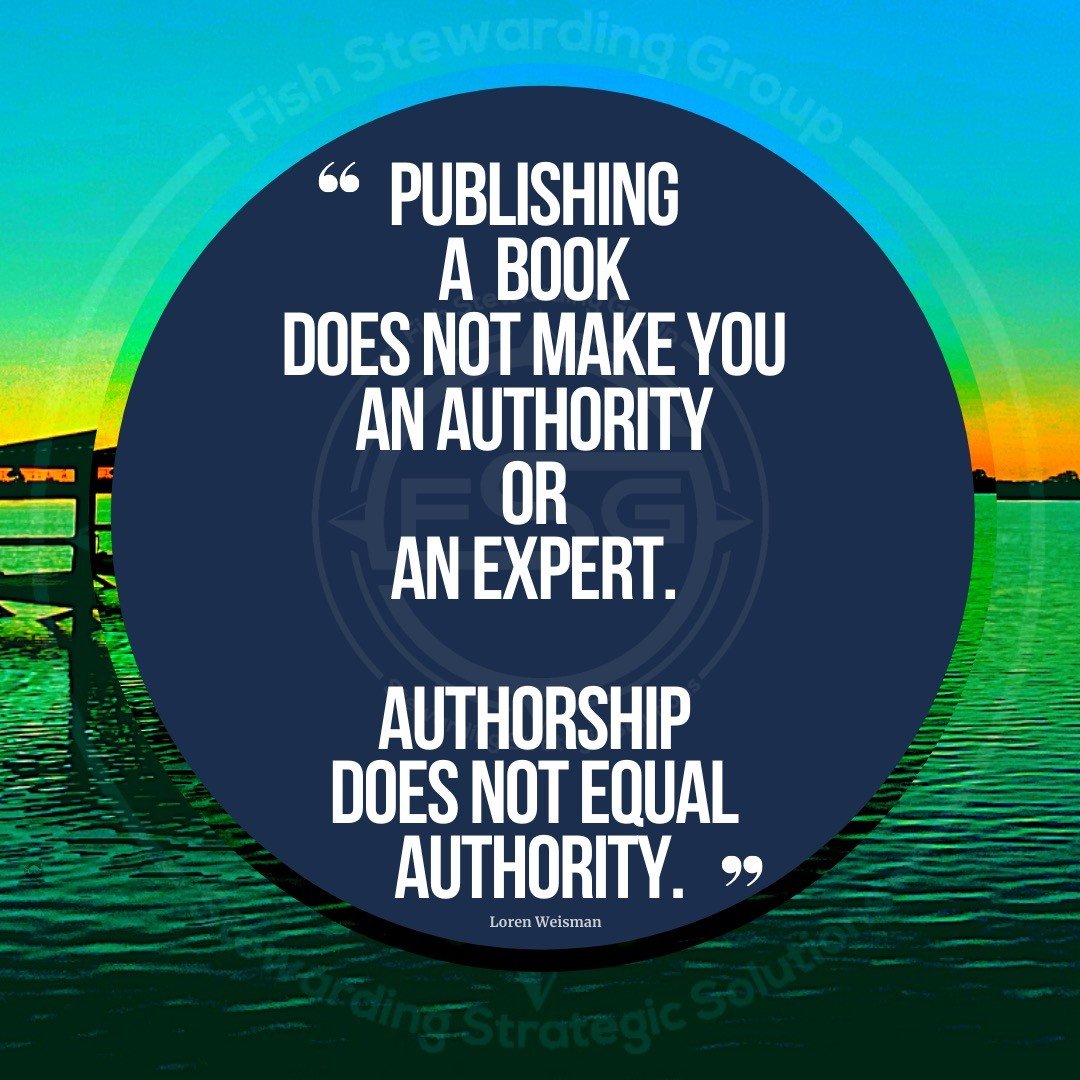
    Publishing a book does not make you an authority or an expert. Authorship does not equal authority.

    More Players Transcription Continued:

    Take the time to consider the audience that’s reaching out that you’re reaching out to. And at the same time considering all the people that are reaching out to that audience in that differentiation, in that humility, in highlighting your authentic authority that could be maybe and possibly is better than all the false hype. And at the same time it’s not competing. If someone’s going to immediately buy into the hype guy, buy into the person with no experience.

    Why try to waste your time with them if they’re easily convinced to go that other direction? Move on. Take the time to message elsewhere. Take the time again, message in subjectivity and humility. Don’t make the guarantees, don’t make the claims.

    Share with authentic true love. Not fear, not hype, not guilt, not pressure. And in those, sharing moments from quotes to videos to audios to the elements of what you have on your website, get that FAQ on there. What are the questions that people ask the most. Pop it into an faq.

    Now you’re addressing them. Showcase your transparency to open the doors to that much more of a better opportunity to connect with the type of people that want to connect with you.

    I wish you all the best. Have a great day. Have a great night. Have a great morning. This is Loren Weisman. This was the. Wait, what? Really? OK. Brand messaging and optics podcast. And that’s it. Bye.more players transcription, wait what really ok, loren weisman

    More Players Transcription


    Loren Weisman is a Brand Communications and Optics Strategist who specializes in illuminating authoritative intelligence and amplifying authentic experts.

    Weisman is the host of the brand communications and optics podcast Wait What Really OK.

    More Players Transcription for the More coaches on the sidelines than players on the field podcast.

    Related reading

  • Success Books Explored Transcription

    Success Books Explored Transcription from Success books explored for validity, authority and truth Podcast.

    Wait What Really OK podcast cover over an orange sky, titled Brand Messaging Strategist Loren Weisman on Success Books, season seven episode three, number 116, dated 31 August 2020.Released on August, 31st, 2020

    🎙️ Tune In: Listen to this Wait What Really Ok Podcast Episode Success books explored for validity, authority and truth on Apple Podcasts Spotify iHeart Radio Pandora Amazon Music Spreaker YouTube and other platforms.


    Success Books Explored Transcription Chapters


    Success Books Explored Chapters: 00:00 Intro to Success Books Scam Exposure 01:10 False Promises in Success Books 01:59 Reading 300 Success Books: Does It Work? 03:30 Questioning Authoritative Success Claims 04:35 Easy Success Book Writing Traps 06:15 Hidden Truths in Success Stories 07:39 Untold Stories Behind Success Claims 08:13 Success Myths in Music Business 09:18 Vetting Authors for Authentic Advice 10:07 Success Books Explored as Sales Pitches 11:19 Spotting Sales-Driven Success Content 12:49 Timing Issues with Success Strategies 14:16 Need for Fact-Checked Success Books 16:03 Challenges of Writing Quality Content 17:17 Amazon Bestseller Lies Exposed 19:43 Opinions Masquerading as Success Facts 20:12 Checking Originality in Success Books 21:20 Compliance Issues in Success Advice 22:51 Closing Thoughts on Success Book Truths Success Books Explored Transcription Text


    Song: Wait, What Really OK with your host Loren Weisman. This is a fully licensed theme song for the show about stuff that makes you say Wait What Really OK.

    Loren: This is the brand messaging podcast. I’m a brand communications and optics strategist named Loren Weisman and this is a little angle on success books explored for validity, authority and truth.

    Books, books, success books over the last hundred years and it has been a hundred years from what started off as these simple pamphlets to you know, the father, if you will, the Napoleon Hill. I almost said Napoleon Dynamite with these claims that never were backed up about his involvement with the Carnegie’s and these stories that now going backwards, being vetted and double checked, they apparently don’t show up to be true. It’s not that I’m against every success book out there, there are some good ones. I’m just not crazy about stating, read this book and here is your success.

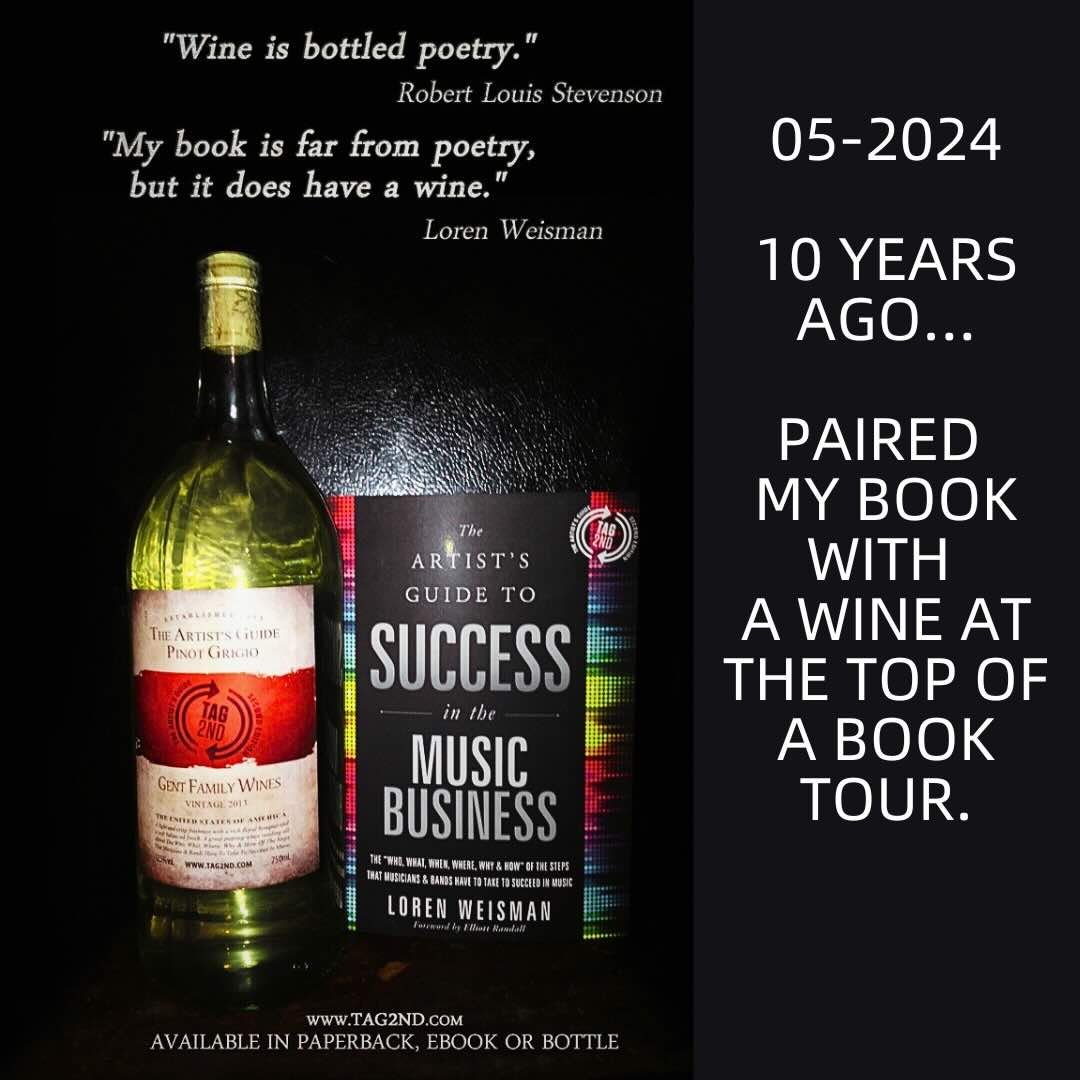
    Now that might come off ironic for some of the people that know me because I wrote a book called the Artist’s Guide to Success in the Music Business. However, in defending my title I was calling it a guide and I was asking people that read that book to define what success was for them.

    It was a guide for them to apply, for them to decide what success was and then from there for them to choose the path, the information and create that given success that was specifically for them and no one else. So you run into a lot of problems and you have these people and it has become an addiction. When digging into  people and success books explored, it is amazing the addiction people seem to have to them.

    It’s like sugar. I was speaking at a conference virtually a few weeks ago and one of the guys leads was I’ve read 300 books on success. So I dug into him a little bit and not going to name him out or call him out, but he’s not really that successful. So none of these books have worked.

    And yet in this front above the fold thing stating I read all these books so I know success, he wasn’t able to prove that for himself and off of other people’s authority and to a certain extent where that authority just didn’t work for him, he now knows how to build success for you. More interesting, he had a book and this is going to be one of the core points and I’d like you to consider looking into this before you buy that success book, that coaching book or whatever else.

    His book was the same outline and the same format and the same information and the same quotes as thousands of other books out there. And it’s not a coincidence and technically it’s not stealing, but it is plagiarism. He was somebody that it clearly showcased. He Bought one of those formatted I will sell you a coaching book. I will sell you a success book. I will sell you a business guru book. Now 90% of this is done.


    Fake Authors Using AI. Podcast Links and Transcription


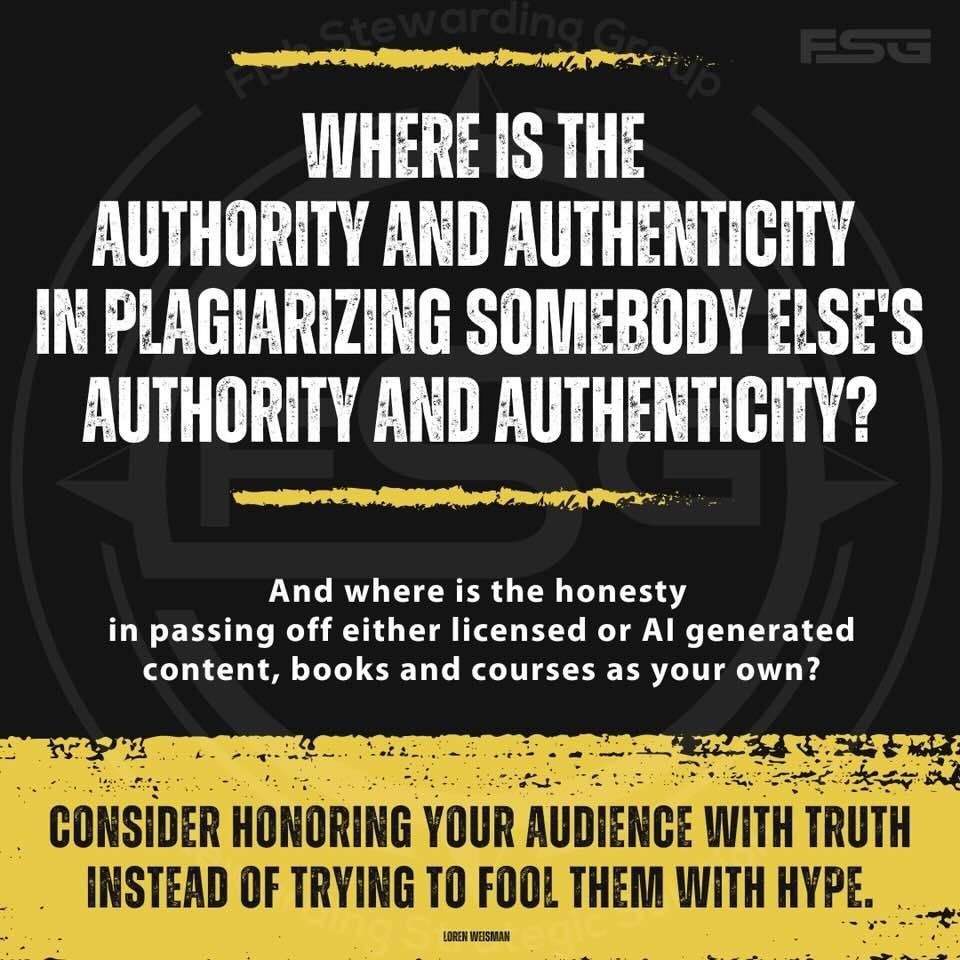
    Success Books Explored Continued: All you have to do is insert some stories, change this around, put a cover, put your name on it, and put it out to the people. Where is the authenticity and the truth in that? And in that, how are you teaching someone else authoritative success when you’ve basically taken this other stuff from other people? And I love the ads where the guy’s like, it’s not plagiarism and you’re not stealing it. You’re half right. You’re not stealing it because you license the information.

    But it is plagiarism in the definition of the word that you are taking copy, content, written word, passing it off as your own. And still by putting a little bit, 10%, now you’re claiming that’s yours. Some of the things to look out for inside of these dime a dozen licensed out white label success books. Notice throughout, flip through if you’re in the library or if you’re on Amazon, do you see the same quotes from the same people? And coincidentally, it’s not from the authority. It might be one of those.

    There was a guy I talked to back in LA a number of years ago, he made the joke about this has got to be the easiest thing to do is write the success book. And he was right. You take a little bit here, you take a little bit there, you flip it around, you pop a story, boom, you got another one. And it’s all saying the same thing. Here’s the thing that to me, though, it goes wrong.

    And here’s the thing that if you’re looking for books, if you want to be motivated or you want to be inspired, understand that buying somebody success book, and hopefully they have not made the claims or the promises like many do, but you may learn something about their story, you may learn something about their experiences, something you can learn from, something you can add or embellish to your plan or for that matter, something you can avoid.

    Now in all of that though, it’s your responsibility as the reader. This market and there are a lot of snake oil salesmen and snake oil saleswomen out there with this, but it is your responsibility. If this is the type of thing you want to read and you want to study, take it with a vetted grain of salt. Look into this person, look into the story. Also realize many of these people, even the ones that have written the full book or had the ghostwriter had somebody Else write it for them.

    They may not know all the elements and aspects of the success that came from about. What I mean by that is. And this ties to the music industry and it ties to women’s wear. I’m not going to name her name right now. It ties to businesses across the board where people state, this is what I did to get successful. And then I came in and there was this investor or there was this opportunity or all of a sudden this. And that happened and boom, this is how it worked.

    Except that’s only partially true because. Because some of these people writing the story don’t know the full story. So they can lead you on through a path that’s not a lie. They’re not trying to lie to you. They’re telling it from what they understand. But the lacking pieces that were happening behind the scenes could be devastating if you followed and copied it exactly. Another thing about success books, think about this. There is no common metric. The statistics are all off.

    From where the product is to when it came out, to what was happening around to the team that was available, to the financing. There are aspects and themes that can draw and help towards success. But there is no one solid model. And anytime that you take that assumption, you can find the contradiction. Everywhere else you see it. Go back to music.

    This is how you write a hit song. And notice that when somebody uses formula A, B, C and these chords and this tempo and this and blah blah, blah, it’s a hit song. And here are a whole bunch of examples. What you don’t see is the complete contradiction of a whole bunch of examples where that’s not true. So it’s not saying it’s not right, but it’s not the end all be all. So maybe the number one takeaway.

    If you want to read and you’re a reader and you enjoy this stuff, then take it in, but take it with that grain of salt and realize there might be more to the story than what’s just just there. There might be more of the story that they don’t want to share. There are a lot of people behind the scenes doing certain things to help businesses. They’re not hiding, they’re not trying to make it a secret, but certain people just don’t want it known. I’ve done a lot of work from messaging strategy to brand discovery to certain development where it was a confidentiality agreement.


    How My Daughter Changed My Approach Podcast Transcription


    Success Books Explored Continued: 

    So you didn’t know I was there. And these people. And I’ve watched people say, well, we did this. And then we came up with. And they have every Right to do that. Is it completely ethical that they didn’t state we had some help? It’s the same thing with bands. Goes back to the days when I was doing the ghost drumming. I remember turning on the TV and watching a guy explain how he came up with the part. Okay, I was paid a great amount of money to shut my mouth, and technically it was him on that track.

    But as he begins to share things that are not true, or all of a sudden they’re shifted into a story or a narrative that don’t line up now, somebody else might be inspired and take a direction that isn’t true. They’ll try to follow that and it won’t work for them. Maybe for a couple other people it does. You have the situation that when you’re looking at a success book, when you’re looking at one of these, to take again, step one, vet it, is it just something out there and inside of it?

    Does it feel like it’s a constant sell? These educational books should be, to me, my opinion, stewarding, sharing about that and in the information, in the authenticity and inside of that authority and love that might draw someone to go, you know what? I might. I want to see what that author has to offer. If they can, I can work with them if they’ll come and speak or something like that. Over the constant call to action that shows up at the end of every chapter.

    Like you see with a lot of these authors, there are life coaching programs, certifications for business guru courses, and they specifically say, as you begin to get to this point, buy this, buy that, create this thing so that you can have your book and your book will sell you. There was a woman last week that was quoted as saying all content should convert to sales. I don’t agree with that opinion. I think content should convert to connection. Should a body of content eventually convert to sales? Yes. But if all you’re doing and all you have in mind in your writing, go to videos, go to audios.

    If it’s all about the sell, then how do people really learn? If you’re just sitting there tidbiting things, how are they going to learn? I try in my podcasts, in the stuff I do with FSG and the stuff in the videos is if you never talk to me, if you never hire me, you still walked away with something that might be helpful or might apply. That to me is solid stewarding. And in that, for me and my experiences, that has helped me engage the right people.

    Let’s get away from this 10x concept that continually comes up Many businesses that are saying, okay, we just need to 10x it and take it to the next level, if all of a sudden it went to 10 times, I don’t know if many of those businesses, if not the majority, could handle it or maintain the quality and the authority and the authenticity of what they’ve created. But that’s a different story. So coming back here, looking to see what is that book about?

    Is that something inside of that book where you feel like you can grab some tools and put them in your toolbox? Can you grab something and put it onto the palette for the journey, the path, the education you need, and the, and the elements and colors to create where you’re going to go with your business or vision. If you’re seeing some of that, then grab that book.

    Grab it right away. Great. If it feels like a sell, it’s most likely a sell. And if it feels like inside of somebody that’s continually bragging about their authority and, and yet inside of that, it’s quotes from everybody else, it’s stories from everybody else. It’s a compound template that was purchased from somebody else. Where is their authority in that?

    And really how could they help you then redirecting you to all these other people? Take that time to vet and look into that. And as you read the success, as you read about steps, as you read about a progress, a process, dig further, does that make sense?

    Does that apply to you, certain people? And it’s some of the upper echelon authors, they explain a model of this is how you do, and this is how you communicate with people, and this is how you sell.

    I know in my experiences and experiences of a lot of people that if you take that approach and maybe you don’t have that large a circle of friends or group of people that have that kind of money, you’re going to offend and close doors. Some of these people said you got to get on the phone call and make these five to ten cold calls a day. And you call them and you tell them and you push. Are you sure it’s the right time?

    Success Books Transcription, glow in the dark mini golf orlando

    Success books explored continued:

    It’s not saying to stall it out, but again, it’s looking into these books and seeing what, yes, you’re going to have to go into a zone that’s not so comfortable, but are you going to go into a zone that could be chaotic, dangerous and hurt, where you’re going to go look it up?

    There are many people, and you can even see it in the Amazon reviews of some of these books, and you can see it in some of Some of these websites where they said, you know what, I tried this and it didn’t work. And then they flipped it around and they put the blame back on the reader. You didn’t try this the right way. You didn’t try hard enough.

    Now it’s true, objectively true. You’re responsible. You take something to heart there. You have now believed that it’s objective. You haven’t proved it. And you worked off of somebody that took, took and subjective opinion, put it into their book and wrote it as a fact. You, you subscribe to it as a fact. That is your fault. But at the same time, it’s a fault that we have that out there. And that’s the other part that I want to get to.

    Many that are writing right now, there isn’t this standard referent. There isn’t that while they might have an editor or proofreader, many of them don’t have the technical editors. My third book was through Wiley and Sons, and so I had the editor, I had the proofreader, and then I had the tech editor. Anything that I stated outside of opinion had to be technically edited, checked and referenced as a fact. I love that. I think that’s great. I wish that was a standard.

    I wish there was a certain level inside of books that it could be listed that, hey, this book has been checked. And even if it had been checked, it was checked across a series of different angles, a series of different attributes. So it wasn’t just, okay, we found this to be true in one place, but it was found to be true and proven in a series of places.

    And even in that, though there are expired truths we see inside of the books, the Napoleon Hill books, these concepts that date back to the, to the 30s, to the 40s, to the 50s, there were elements inside there that were absolutely true.

    Here’s the problem. You update it, they’re regurgitated. They put it out in a book in 2020, it was true, but it’s not true today. So the next part there beyond vetting and at the same time beyond individualizing, now it’s sitting there and going, is this an authentic modern truth? Does it apply right now? Or is it something that’s going to come into the future? Or is it something that’s expired with the past?

    Reading that and reading with that set of eyes can help you avoid mistakes. And also looking for themes, looking for things that have happened that may come back again. It really is a lot more. When you’re looking for the tools, when you’re educating yourself that that it’s not all going to come from one place. We see these books and people are just, I can write a 90,000 word book in 30 days. Okay, can you, are you now sitting here under this goal to state this is what I did and this is how I did it and now buy this.

    Can you really put out that many words in a given amount of time and make it solid information? It’s become a challenge for some people and there, I mean so many are out there right now. It’s create that book so you can get more clients. There was a website I was at, it was publish to market and then there was another one, book publishers to get, publish a book to get more clients right in the middle of it. And I’m not going to name the exact website, I’m not going to get myself in that old defamation area here. But right in the middle of it, it’s doesn’t matter what you do.

    All you have to do is just format this and showcase this and it’s going to show that much more authority for whatever you’re teaching, training, consulting or coaching on. And this will bring people, and this is how you bring it across to Amazon and how you sell it and how you give your special discount and how you bring up all these elements which many of them showcase as lies. It goes to the last part, the bestseller element.

    Success Books Transcription, artists guide book, wine

    Success books explored continued:

    Everybody’s a bestseller. You can become a bestseller on Amazon very easily. It’s about 350 bucks. And you will move, you can move a book up, give it away for a short amount of time, set it on a schedule so that a whole bunch of people will download it and then whoever’s helping you set this up will get you the screenshot to show at that moment you were what they view as, as a bestseller again. It’s a lie though, because if you look into the program, that’s a giveaway period.

    So you are the most highly downloaded by a series of bots and people for your book. And then these people thrust that onto the COVID of a book. So right off of where you’re trying to gain the authority or they’re trying to get a, make it look like you know they have authority to you, they’re lying again in the middle of all of this.

    Not that it’s an all out rant about success books. There are some people that are writing inside of humility when they write inside of opinions, when, when they’re transparent, when they showcase the honor, look to see where the story can resonate with you, not necessarily to make it Your story or your path, but to be organically, authentically inspired to look at.

    Oh, well, he did 1, 2, 3, 4, 5. I really like the order of that. My 1, 2, 3, 4,. Five might be different because I have a different type of product. It’s a different time. I know different people. I have a different level of financing opportunities. It’s this, it’s that. It’s not these people that want to come out and just state immediately.

    They know everything. I was listening to Aziz Ansari’s latest Netflix special. He did this thing in the middle of it, and he talks about this potentially controversial thing and goes to the audiences, oh, how many did you hear that? You know, a small amount of people clap. He goes, did you think it was this or was it that? Little clap here, little clap there. Then he zeros in on one guy in the audience, and he’s like, so did you get it from the Washington Times? Or. I think it was like the New York.

    I’m sorry, New York Times or the Washington Post. He goes, yeah, yeah, yeah, it was the Post. It was definitely the Post. He goes, no, it wasn’t, because that story didn’t exist and none of that happened, and I just made that up. Now. He didn’t go. And he even said afterwards, he’s like, I’m not trying to make a fool out of you, but we’ve come to this place as a people.

    We’re so tied into opinions that we’re creating commentary and siding with things that aren’t even necessarily real. And that’s what happens inside of these business books, from the people that have had success to the people that feel that writing a success book on business will make them a success. The lead thing here is look into the validity.

    Vet it. Look into the authority. Look into the originality. I’m not saying if somebody has a quote or two from somebody else, that’s not bad. That’s not. That is bad. But why are they adding it in there in an area that is so filled to the brim with snake oil salesmen and women and book publishers that just want to punch something out and just sell you so that you’ll be a client, so that then they can sell you on hype, Dig in a little deeper.

    Look to see what resonates with you. And even as you might pick up the latest, greatest, or this really exciting book, or I heard this or I heard that, take it with that grain of salt. Take that time to grab the pieces that may go to your foundation, that may go onto your palette that may apply directly to you and add that as an embellishment, as a supplement.

    Success Books Transcription, Where is the authority and authenticity in plagiarizing somebody else's authority and authenticity

    Success books explored continued:

    Don’t follow any of these to the letter, because the letter of many of these success books out there was written in a different language, in a sense. And if you take these pieces and take the best pieces, the pieces that inspire you or make you think, wow, I need to look into that.

    When it comes to financing, I never thought about that from a marketing angle. I definitely need to check that out. When it comes to compliance, oh, I never knew this. Bring it in. And the pieces that you want to apply the most or you feel the strongest about, do the most research on and see if they’re valid, see if they’re true. See if there are a series of sources that can back that up. And with that responsibility, that approach of love to information, intelligence, and words, as opposed to the fear pressure of many words where they’re just trying to push and force and dominate.

    When you begin to look at it, and it’s not being a doubter and it’s not being pessimistic, you’re taking the opportunity to look deeper so that you’re caring for your success, whatever that looks like to you, your path, whatever that looks like to you, and the directions that you’re going to take and the directions that you’re going to accept and apply to your direction. And with the culmination of that, from what you hear online to what you read in a book, to what you study from this class or this certification or what you read over here in this newspaper or this experience or the culmination of it all, you’ll make better choices for you.

    This is Loren Weisman. This was Wait What Really OK. My rant, if you will, and my take on success books explored. I hope you have a good day. Wait, What, Really OK.

    Related reading

  • Amplified Authentic Opinions Transcription

    Amplified Authentic Opinions Transcription for the Amplified authentic opinions and intelligence to consider Podcast

    amplfied authentic opinions transcription, wait what really ok, lorenweismanReleased on January 11th, 2021

    🎙️ Tune In: Listen to this Wait What Really Ok Podcast Episode Amplified authentic opinions and intelligence to consider  on Spotify Apple Podcasts iHeart Radio Pandora Amazon Music Spreaker YouTube and other platforms.


    Amplified Authentic Opinions Transcription Chapters


    Amplified Authentic Opinions Transcription Chapters: 00:00 Introduction & Theme Song 01:05 Opinions vs. Facts in Media 02:03 Influencers, Authenticity, and Social Proof 03:30 Social Media Toxicity & User Behavior 05:58 Authentic Engagement in Marketing 07:44 Music Industry: Real Feedback vs. Hype 12:01 Shifting Toward Authenticity in Business 16:33 Finding Real Opinions Online 18:04 Paid Humility & False Authenticity 19:15 The Need for Authenticity in Reviews 22:07 Stop Begging: Organic Reviews & Feedback 24:05 Conclusion: Amplifying Authentic Opinions Amplified Authentic Opinions Transcription Text


    Song: Wait What Really OK With your host, Loren Weisman. This is a fully licensed theme song for the show about stuff that makes you say, Wait What Really OK.

    Loren: This is Loren Weisman. This is the brand messaging podcast. Wait What Really Ok. And this episode is titled Amplified Authentic Opinions and Intelligence to Consider.

    We’ve come into a time, and this is not just in recent years, it’s over decades, where opinions have been shifted and pushed into facts and at the same time, some weak opinions where somebody feels personally very strong about them, they flip the switch and all of a sudden the subjective becomes objective.

    Now take it one more step. We can buy and we have bought. And this goes on the spectrum of products, to services, to message, to missions, to beliefs. We can buy opinions. And we’ve lost that sense sometimes when we’re listening.

    Many times in the newspapers, it was an op ed, an opinion editorial. And in that, people began to, and have, in especially recent years, they jumped down the throat of a given company or a given news station saying, this is wrong.


    Fake Authors Using AI. Podcast Links and Transcription


    Amplified Authentic Opinions Transcription Continued:
    You’re reporting fake news. Now in that, are they reporting fake news or are they reporting their opinion? Are they finding themselves in a time right now where with that blurry line, with that toxic communication that opinions are seen as facts, and because they’re seen as facts, it is turned into a massive mess because, well, in the end they’re not.

    Now, the other side of it is this the influencer, the celebrity, the ideas where people can vote for something and then it’s an award or this view of the best of. And that’s what it’s supposed to be, and that’s what it originally was.

    The best of this newspaper or the best of this company, it doesn’t make it the absolute best. Art is opinion, food is opinion, music is opinion. Why do we need to. And it’s for many of us, not all of us. Why do we need to get so incredibly offended? And why do so many people need to shift and push opinions over to the level of facts? We can take an authentic stance, we can respect and have an argument, a debate, a disagreement about opinions without all of a sudden saying that, well, your opinion is this.

    So you suck. You’re terrible. You’re an awful person. It’s gotten insane. It’s gotten insane on social media. There’s a quote, and I tied it into the content of this podcast where I am an advocate that social media is not toxic. I don’t see it as being toxic at all. I see aspects of people making it toxic. And then when somebody feels that it’s toxic. Oftentimes it’s because they’re continuing to listen, to pay attention to, to follow, to read, to comment, to engage things.

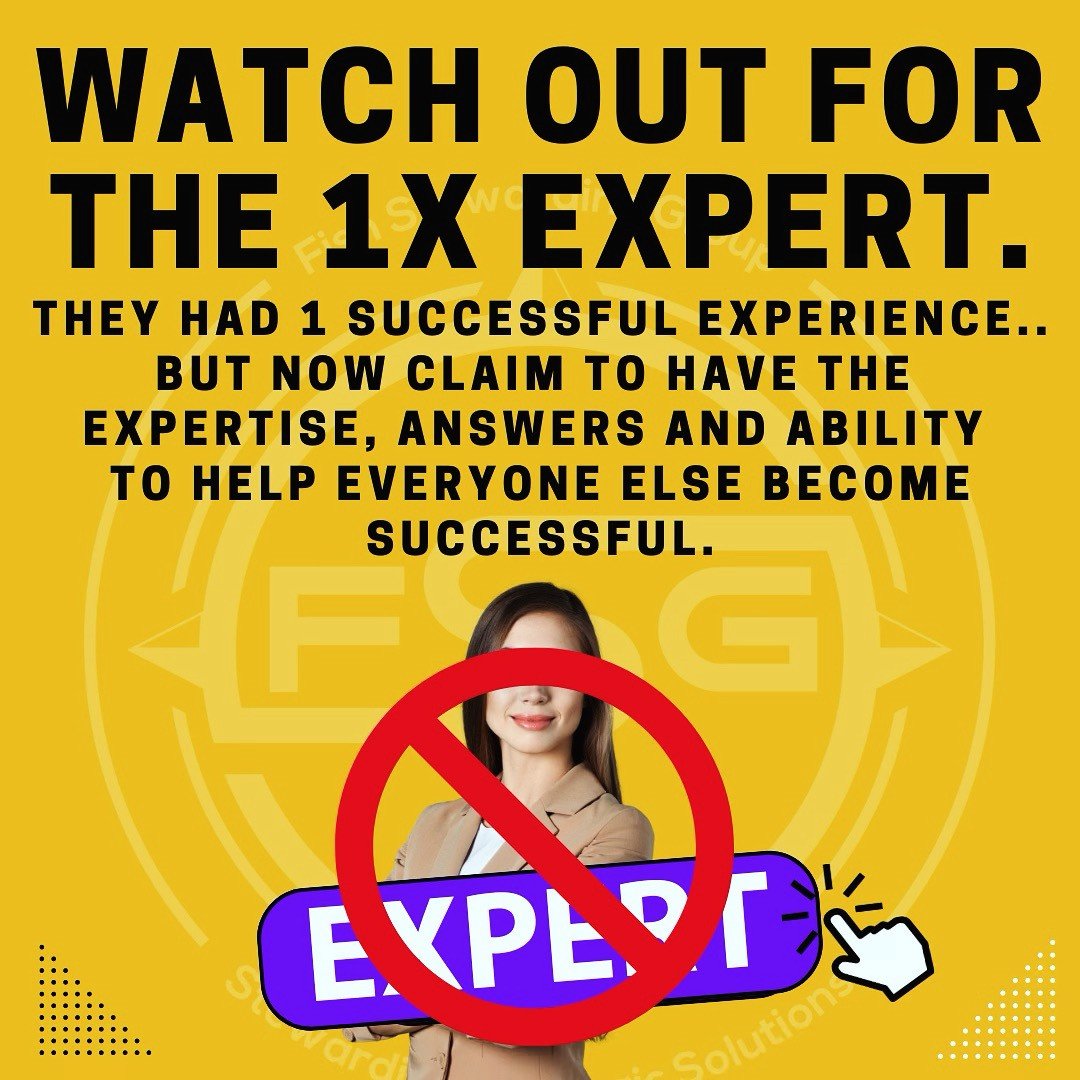
    Watch out for the 1x expert. They had 1 successful experience, but now claim to have the expertise, answers and ability to help everyone else become successful.Amplified Authentic Opinions Transcription Continued:
    Watch out for the 1x expert. They had 1 successful experience, but now claim to have the expertise, answers and ability to help everyone else become successful.

    Now, I’m not that old, but I remember when there was a dial on the radio station and there was that whole thing inside of talk radio, and if you didn’t like what they were saying, yeah, maybe you shot a few negatives across the board, but overall you came back and you just turned the channel, you turned the station, you stopped listening. People not only are listening that much more, but they’re turning it into a war.

    Now take this over to awards. It’s a problem with awards if somebody is being awarded something and you can vote dozens to hundreds of times. Some of these are stating the best of this. And really it’s a sense of popularity. It’s a count.

    So somebody has nothing to do or they’re stuck at home. They can go on if they want to be reminded and vote every hour or vote twice a day or vote as many times as they want. Where does that bring the authenticity of opinion through? It brings the popularity of opinion and it’s a linearized opinion. If you can vote that many times, where is it fair? Now we also people say, oh, we have artificial intelligence.

    Artificial intelligence can track where you are in a given shop and it can see where you’re standing. And from there it can help to make decisions and give data and give intelligence to certain companies based on your moves, where you stop, where you freeze, what you buy, and so on and so forth. There is some truth to that, but it’s not complete truth.

    So in a sense, the data is skewed. Let’s look at it this way. Let’s say you are walking along with your child. He trips, falls over, spills his cup, you know, unties his shoe, whatnot. So you stop, you go there to lean down to tie his shoe, to check if he’s now in certain stores that are geo fencing. They have now made a decision and a conclusion that you are stopping and you are potentially interested whether you buy anything off of the aisle on the point where you stopped or not. That’s exactly why it’s artificial intelligence to a certain extent.


    How My Daughter Changed My Approach Podcast Transcription


    Amplified Authentic Opinions Transcription Continued:
    Yes, it has a place in the marketplace, but it is artificial intelligence. It’s not authentic intelligence. The same element happens, let’s say your company, the company you work for, is going under a massive shift and they’re going to require you to fly a whole bunch of times to a corporate base, which is somewhere where you never fly because you work from your Given office, wherever you live.

    So now for a period of let’s say six weeks, you have to do a whole bunch of back and forth again.

    The artificial intelligence, the data that comes through, it’s for this one time moment now you’ve broken the one month mark. It’s six weeks now.

    Data, data is being sent based on that six week period that will probably never happen again for you. This is where artificial intelligence is off and in many cases it’s false. And when people are out there with AI stating this is authority, it’s not necessarily the whole story.

    When we take a couple steps back again and we think about what is this cumlinative effect and in knowing that, in knowing a greater level of authenticity, it can allow on the other side of it, companies to make better decisions. Advertising, not to be that much more pinpoint, but to get a better finger on the pulse.

    Because beyond the skewed thing of you traveling, let’s say six, over six weeks to Omaha or bending down in front of a product inside of a Target style store that you never plan to buy anything from, there’s the other side where focus groups can be focused to give the answer of the individuals that are looking for it. Focus groups are never clean, at least most aren’t.

    When we used to do certain focus groups in Los Angeles, New York, Boston, wherever we could go after it was, oh, we’re going to get information. If we wanted information, we knew how to format that focus group. You could always insert someone, you could insert someone attractive if it was an attractive woman, if it was more men.

    There were elements in the ways that you could skew, adjust and falsify data to get the answers of what you want to push it through. And not necessarily saying the sale isn’t going to work because we pay influencers as a whole. We’re paying certain influencers, they have X number of followers and so we’re going to pay them to say what they like.

    And it’s cool because there are some new influencers coming up that are saying, you know what, I do want to get paid, but I’m not going to touch anything. I genuinely don’t stand behind. And I really applaud that. It’s a rarity, but I applaud it greatly now. In the same way, inside of the music business, record labels, managers, music investors, music moguls have spent a lot of time working the system. And some of them in a very authentic way, some of them in not so authentic ways to try to find out things, to build and create trends. And yes, trends can be created.

    Amplified Authentic Opinions transcription, loren weisman

    Brand messaging blueprint strategies for creative careers.


    Amplified Authentic Opinions Transcription Continued:
    Hit songs can be made in the studio with the marketing plan behind it to figure out how this will go out, how it will attack the audience that viral out of nowhere, success. More often than not, there was a success plan behind it.

    Now, I’m not saying that that would completely change or that will completely change, but what if the music industry as a whole had the intel, the data and the intelligence of people not that they could vote a hundred times, but that they could only vote once, that they had to listen to a certain part of the song, that they were able to give a certain level of feedback. And from the sixth grader to the person with 6 million followers, that they are both accounted for in their vote and in their opinion.

    All in all, we’ve lost that authentic aggregation to popularity. It’s this idea of we’re going to put this in front of an influencer, we’re going to create this tone, we’re going to receive this, we’ll push this kind of marketing, we’ll get this person to like it, we’ll get that person to like. And I’m not saying that’s necessarily going to stop because it’s not.

    Amazon Best Selling Transcription for Amazon best selling book claims and the 16,000 book categories, loren weisman podcastAmplified Authentic Opinions Transcription Continued:
    However, a shift inside of and will start in music. And let’s say that it goes to books, let’s say it goes to cars, let’s say it goes to sports, where people are respected for their opinions and that data collected in respect becomes aggregated and it amplifies and which is the name of this episode, Amplified Authentic Opinions could be some of the best intelligence and the best data that we take into 20, 21 and beyond.

    And what I mean is getting that person that has that thought, they’re able to add their thought. And yes, it’s still to a certain extent a popularity contest, but at least inside of that popularity, it’s organic, it’s authentic and it has integrity to it. Many of the biggest award shows are fixed. Many of these award shows where people say, well, I’m a voting member, okay, your vote doesn’t really count. Maybe your vote counts for X, but it doesn’t count for Y.

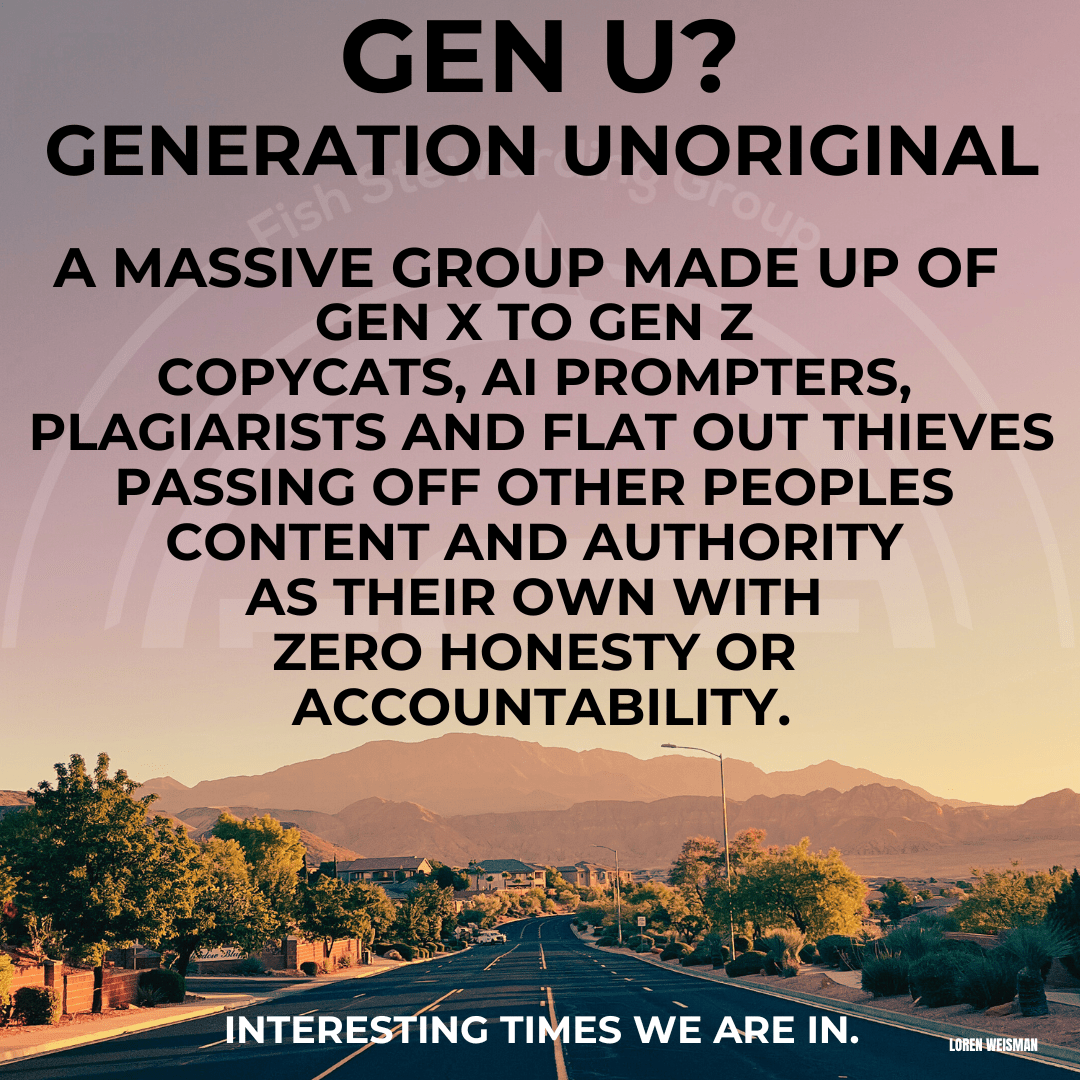
    Text card over a desert landscape headed Gen U? Generation Unoriginal, describing a group made up of Gen X to Gen Z copycats, AI prompters, plagiarists and thieves passing off other people's content and authority as their own with zero honesty or accountability.Amplified Authentic Opinions Transcription Continued:
    Many people will go out when it comes to awards. They will buy a nomination, they will buy a nomination to be awarded. And many of those people that you see online, on social, with certain business awards too, as well as music, as well as books, they’re buying their way into nominations, they’re buying their way into wins.

    On Amazon, you can purchase a best selling book and it’s not a best seller. I’ve mentioned it a couple episodes ago. You can spend a certain amount of money, your book will move up the ebook, not the physical by any means.

    It’s a giveaway. And during that time in a series, air a series element, middle of the night, whatever, you’ll get a screenshot that a whole bunch of robots and a whole bunch of people that were on at that time will download that book. And in turn, you were not really a best seller.

    You were a best giveaway to a whole bunch of robots. But now you have a best seller ranking for a minute, they give you a snapshot of that. And just as quickly as that shot is taken, that ranking goes away. And many people are beginning to recognize that inside of books too.

    So when we step back from being the best song here, from a whole bunch of people where they were buying the likes and these buys go all the way up to the top tier artists. You may have seen in the news about people like Beyonce. And this is not defamation of character. Whether it was her or her management or whatnot, stuff was purchased to make more likes appear, more comments appear, more downloads appear, more streaming appears, more streaming appearances. In that it gives this sense of just look popularity, popularity.


    Authentic messaging strategies for transitioning businesses


    Amplified Authentic Opinions transcription, loren weismanAmplified Authentic Opinions Transcription Continued:

    And this is where another part where when we shift to authenticity, couldn’t we all, regardless of your business or your service, consider moving some of these awards, some of these claims, some of these hypes below the fold and amplify your message and authenticity about what you’re sharing, about what you’re giving to people.

    This is a best selling book. I’m a critically acclaimed. This I have this many followers on Twitter. We see this every single day. But. But we can change it to go to authenticity, to go to integrity with our businesses and our products and our services, to invite with the lead about what that product is, what that business is, what that service is, to not buy the reviews, but more so to ask to go to that authentic aggregation to ask people what they think and share.

    These are the reactions that we’re getting and that at the same time, not oh, I’m so humbled to hear this but a little bit more of, you know, being able to put out and this is for the company level to be able to put out marketing that consists of an organic, authentic, amplified aggregation of opinions and not bought opinions.

    Bot views, bot likes, bot salespeople, you can still market, but you can do it with a heart and with a moral compass that could draw that many more people to you. And at the same time from a corporate level, how much money could be saved Inside of that authentic opinion data to be able for, you know, get away from the book thing for somebody to begin to ask questions and ask in the wider scale.

    Amplified Authentic Opinions Transcription Continued:
    Reaching out you may get, you know, and really setting up kind of a campaign system where at certain times you could ask certain people. Okay, I want to get a sense because I think this may be the market. It’s not just like vague everything, but asking people and respecting people for their opinions, allowing people to feel a part of something, allowing them not to get that little box.

    And you know, if you’re listening to this when it just came out, this is shortly after the holiday season. I don’t know how many people ordered from Amazon, but this new model of you have a $5 credit, you have a $10 credit as long as you go on and review this. So now you have a 5 or a $10 credit because you were forced to review.

    I want to read the reviews that were not forced. I want to hear the opinions of people of what they genuinely think and they were not set to say. This is that I want to see resources and a hub where artists, chefs, authors can break out with their art, breaking a hit, breaking through, giving a sense of the journey so that not only does it give them the right kind of data of where they should aim, where they should aim. Are you going to be more college audience?

    Amplified Authentic Opinions Transcription Continued:
    Are you going to be a high school audience? Are you going to be an adult audience? What are the reactions that are coming back? Yes, there are focus groups, there’s all sorts of stuff out there, but the authenticity is oftentimes shoved down for the popularity.

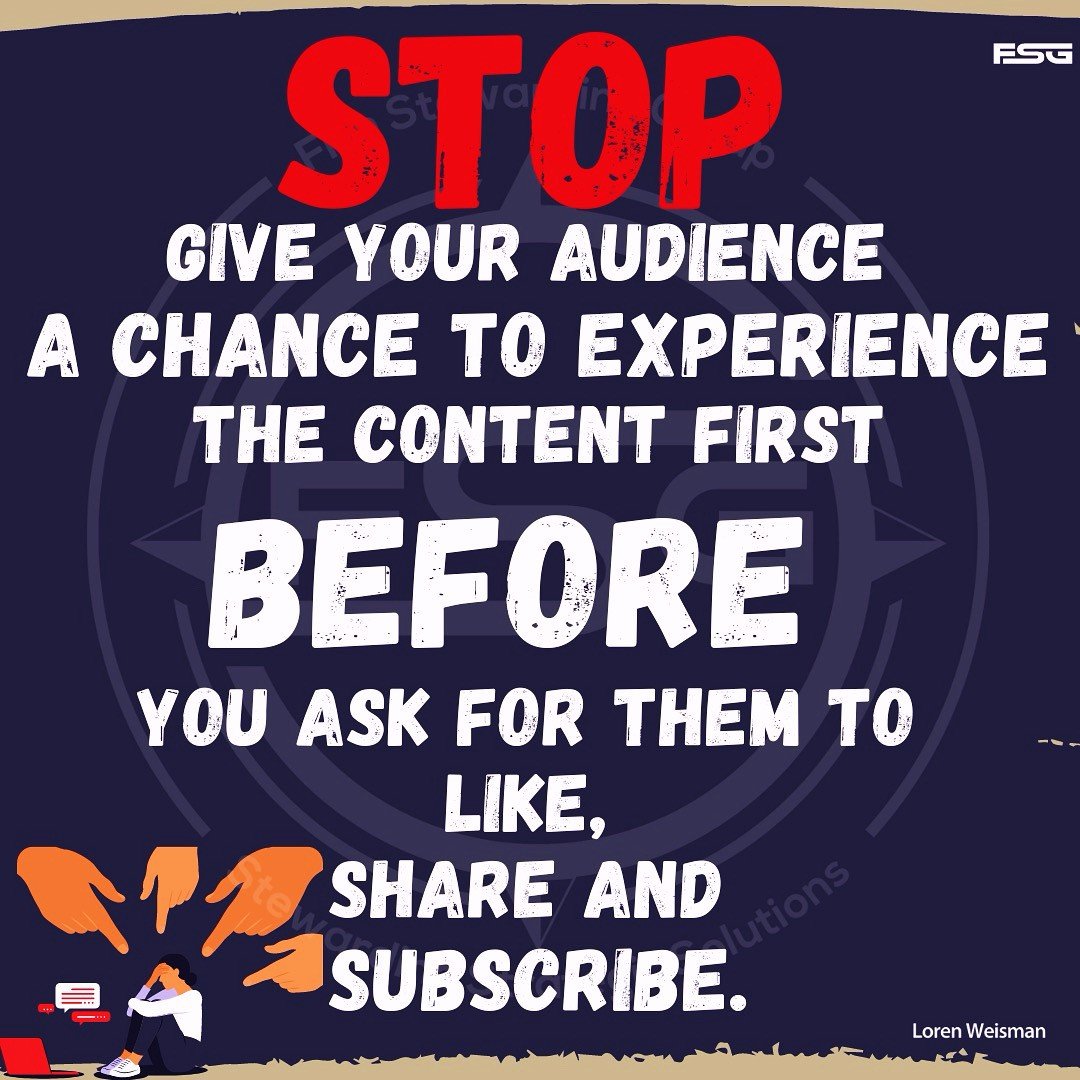
    Give your audience a chance to experience the content first before you ask for them to like, share and subscribe.Amplified Authentic Opinions Transcription Continued:

    Give your audience a chance to experience the content first before you ask for them to like, share and subscribe.

    The number and the count is what makes the difference. And that’s why the numbers are off and the counts are off. And it’s why people are spending more and more money on marketing, because they’re shoving it into people’s faces and a lot of these faces don’t want it shoved in their face.

    Flip the switch. That marketing, that investment, that advertising going toward a group of people that really has organically, authentically been tested or asked or requested and at the same time respected for their opinion.

    It may be a more gentle engagement in. I think this is a two way thing. I think there’s an aspect of this organized aggregator of authentic opinion being just as great as it respects the individual, the consumer.

    But what a wonderful tool for companies, for products, for services that want to take the step to choose authenticity, to choose integrity and to not try to hype something, to put it in a certain direction that in the end may end up Sending them in the wrong direction to the wrong audience. I believe aspects of the popularity card are going to die out to a certain extent. I believe that we’re coming into a time that people are starting to see through the hype.

    This past year, from the quarantines to all of that, some of the light shows, the laser, the smoke, the stuff on stage, what people were able to do, some of that’s been revealed unmasked for what it isn’t, for the lack of truth.

    And I believe from music to the arts to books, to products, to services, the authentic message and an understanding of the authority of data that comes from an authentic opinion could be everything, could be the nourishment of these companies and the respect to the people that are sharing to get that authentic message.

    I know I’ve said the word authenticity or authentic a dozen times, if not more. Okay, more. But in this. Haven’t you ever had that moment where you were looking up and you just. You went through that Amazon review and then you finally realized, wow, here’s one negative review, A couple threes, couple fours, and then it’s a onslaught of fives.

    Amplified Authentic Opinions Transcription Continued:
    Because oftentimes those were purchased. When you see certain people and they say, oh, I’m so humbled to win this award that I nominated myself for by paying for it, or I’m so humbled to have this best seller on Amazon that they lied about because they purchased a position and even in that they receive this bestseller tag, but it’s a lie.

    It’s false. Better so for people to get a chance to read. And yes, okay, certain products are going to have to be given away and maybe you might have to give a couple more away because you can’t just go to this small little audience to fake it anymore. It’s 2021.

    Let’s be real. Let’s differentiate and show with the authenticity in marketing. Let’s step away from these hype people that are saying how important it is to have that script, to have that format. You’ve got to push these people.

    They’ve got to know, like and trust you. I’m tired of know, like and trust. I don’t need to like the person that’s selling me a certain item. I don’t need to trust them. I need to know what that product is. I need to be able to know some of the vetting on that product. I need to know some of the authentic opinions on that product.

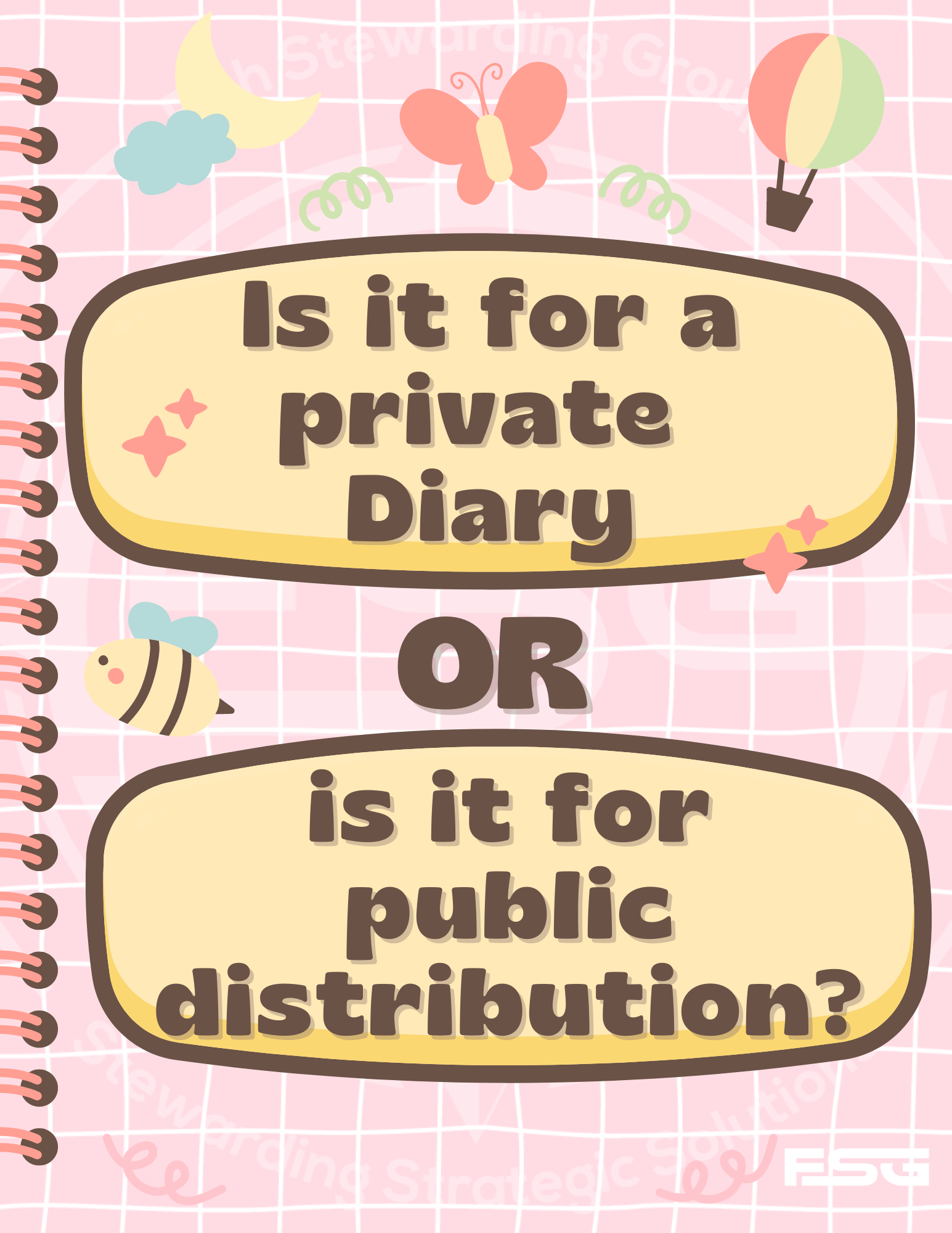
    Is it for a private diary or is it for public distribution?Amplified Authentic Opinions Transcription Continued:

    Is it for a private diary or is it for public distribution?

    The experience is on that product. And from there, I can choose off of that data to make the best decision. You could be the most, you could be the coolest guy in the world, the coolest girl in the world. I don’t really care about liking you. And a lot of people are starting to step away from that. It’s coming to a place of authenticity, it’s coming to a place of integrity. And we’re hungry for it. I believe we’re hungry for it. I believe we deserve it. I believe that we’re at a time where it’s not about spotlighting someone for popularity, but more so spotlighting a person. A book, a song, a record, a vehicle, whatever else you can think of.

    A restaurant, a product, a project, a service. Because it’s true to heart. And it’s not someone that just went in and five started and said this is the best, but someone with the authenticity and the subjective opinion to say it’s the best. And it’s the best to me, and here’s why.

    A game that ends in the hype of popularity that can be purchased and we flip the switch to this authentic aggregation of information that serves as the best data for the arts, that serves as the best data for products, that serves as the best data to get a pulse of what people are thinking, what they’re really thinking.

    Because a lot of people are afraid to say what they’re thinking these days. Wouldn’t it be beautiful to in the culmination, in the respect of people in their opinions, in the deflecting or the muting or the nulling or the turning down of all the hype, the popularity and the false stuff to try to create this presence that we amplify authenticity, that we amplify authentic opinions and we derive data and decisions and what we share and how we share it based off of that, instead of going to the latest motivational sales pitchy two minute scripty template.

    You need to do this on LinkedIn, you need to do that on TV, you got to do this on radio. Here’s how you do this, here’s how you do that. We come back into the half truth, expired truth, false truth and no truth examples of engagement.

    When we aggregate authentic opinion and we amplify that we are respecting the individuals who feel like their opinions matter, who will take the time. It’s not begging someone. Don’t forget to five stars. Don’t forget to do this, don’t forget to do that. But more so, we’d love to know what you think and here’s a place or here’s some places you can go where your opinion is taken into account and not just counted.

    amplified authentic expert transcriptionAmplified Authentic Opinions Transcription Continued:

    And then the culmination of that gives the best data, the best intelligence and the best understanding. So that brands, companies, products, services, from the music moguls to the authors to the publishing companies to the car dealerships, to even inside of sports, can get their finger on an authentic pulse of what’s beating, what isn’t beating, how it’s working, how it’s not working, and it’s not dirty, it’s not nulled, it’s not turned down, it’s amplified with authenticity to deliver the authority data that I believe we’re all hungry for and I believe we deserve.

    And I believe based off of that, it could make marketing, it could make messaging, it could make advertising cleaner, crisper, full of greater integrity, and at the same time that much more enjoyable to experience and learn about new products, new songs, new books, new cars, and in a way that doesn’t feel so toxic and doesn’t feel so forced.

    Amplified Authentic Opinions Transcription Continued:

    I believe in taking these steps, even on the smallest levels or the biggest levels, could make social media a little bit more social, it could make marketing a little bit more engaging, and it could make learning about all of these different products, all these different services, and most about all these different people, what they authentically want, don’t want, like, don’t like, and really how they feel. That’s the podcast. That’s my rant for today.

    My name is Loren Weisman. This is the brand messaging podcast. Wait What Really Ok, this episode was titled Amplified Authentic Opinions and Intelligence to Consider. I hope you consider some of these things and more so I hope you find that there was a little bit of intelligence in this rant. Have a good one. Wait What Really Ok.

    Wait What Really OK podcast cover showing a multicoloured knitted elephant toy, titled Zeebee.

    Loren Weisman is a Brand Communications and Optics Strategist who specializes in illuminating authoritative intelligence and amplifying authentic experts.

    Weisman is the host of the brand communications and optics podcast Wait What Really OK.

    Amplified Authentic Opinions Transcription for the Amplified authentic opinions and intelligence to consider Podcast

    Related reading

  • Ghost Drummer Transcription From Podcast

    Ghost Drummer Transcription for Music Business ghost drumming. Being a ghost in the machine Podcast

    Ghost Drummer Transcription for Music Business ghost drumming

    Ghost Drummer Transcription, Music Business ghost drumming, Being a ghost in the machine

    Released on June 26th, 2020

    🎙️ Tune In: Listen to this Wait What Really Ok Podcast Episode Music Business ghost drumming. Being a ghost in the machine. on Apple Podcasts Spotify iHeart Radio Pandora Amazon Music Spreaker YouTube and other platforms.


    Ghost Drummer Transcription Chapters


    Ghost Drummer Transcription Chapters: 00:00 Introduction to Ghost Drumming Podcast 00:45 What Is Ghost Drumming in Music? 01:03 Defining Ghost Musicians in Music Business 02:30 Behind-the-Scenes Role of Session Players 03:55 Impact of Ghost Drumming on Music Industry 05:05 Personal Stories of Ghost Drumming Experience 06:30 Anonymity as a Ghost Musician 07:45 Humility in Ghost Drumming Career 09:10 Balancing Recognition and Ghost Roles 10:20 Challenges and Ethics of Ghosting in Music 11:40 Contracts and Rights for Session Musicians 12:08 Linking Music to Brand Messaging Strategies 13:25 Storytelling Through Music and Branding 14:17 Authenticity in Branding and Music Roles 15:50 Overcoming Stereotypes in Music Business 16:40 Lessons Learned from Ghost Drumming 18:00 Building Trust as a Hidden Talent 19:10 Applying Music Insights to Business Growth 21:27 Final Reflections on Authenticity and Trust

    Ghost Drummer Transcription Text


    Ghost Drummer Transcription for Music Business ghost drumming podcast


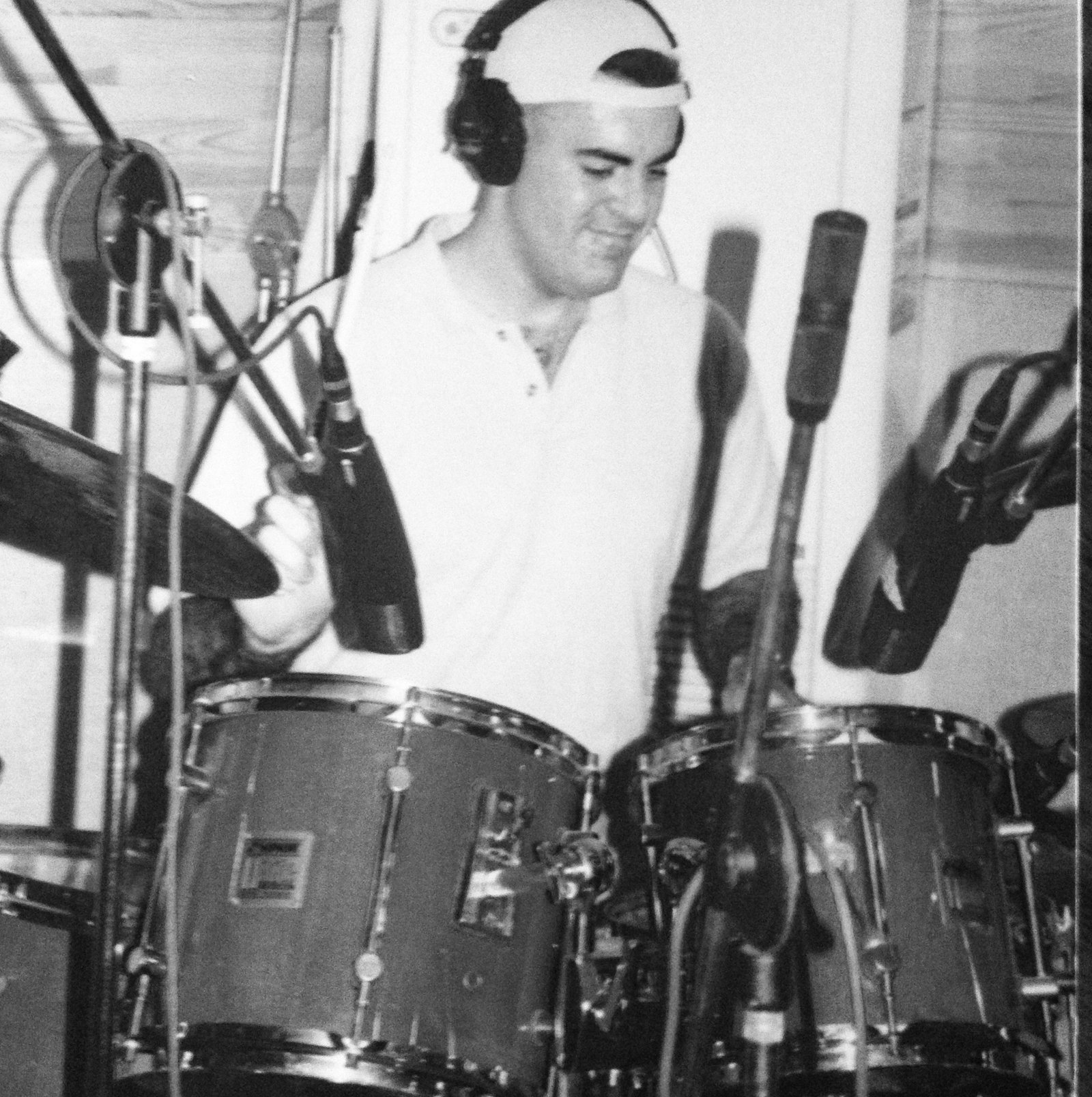
    Song: Wait What Really Really OK with your host, Loren Weisman. This is a fully licensed theme song for the show about stuff that makes you say, Wait What Really Ok. Loren: This is Wait, what really? Ok. Episode 112 this one’s titled Music Business Ghost Drumming. Being a ghost in the machine. A day ago I was brought into a pretty toxic thread about the facts and the fiction when it came to ghost musicians. And there was an interesting attack on some of these ghost musicians and what they had done and what they intended to do and what they were about.

    And just it was this pretty vicious one sided view of things. And so I got into the conversation and before I did the brand messaging, I was a music producer and before that I was a drummer and I did a fair amount of ghost drumming. For those of you that don’t know what it is. And this is not just about music, this is some of the behind the scenes stuff. And it really does relate to messaging and it really relates to the way information, the way certain stuff is put out there, what we think is out there and how it’s done against what’s actually happening.

    It was funny. I spoke to a friend of mine I haven’t Talked to in 20 years the other day and as he’s been following and listening to the podcast a bit, he said, I see a lot of parallels between what you do now and what you were doing in the music industry.

    So to come back to the definition of ghost drumming and for that matter, ghost session playing, you have the session players, you have the cats that know how to perform in the studio and they’re brought in oftentimes to support bands and support artists. And when you have a single artist, it’s easy, okay, you bring, bring in your session players and their names show right up.

    Ghost Drummer Transcription, loren weisman drummer

    Ghost Drummer Transcription for Music Business ghost drumming Continued:
    There are even bands and more. So today you don’t really hear about the ghosting thing as much where it’s okay, we’re going to bring in this guy and he’s going to handle this track. That’s what I did. My first ghosting session was in 1993. There was a drummer that was supposed to come in. He was part of a group. It wasn’t working out. He wasn’t able to get there. It wasn’t that he didn’t have the quality. I was nearby. He wasn’t able to get there. And I was explained that Ringo Starr didn’t always play on the beat Beatles and it wasn’t always Dennis on the Beach Boys.

    And he began to share about this angle of the music industry, which I found really cool where it was the idea of you bring in these people and where session players get paid X amount, you get paid a little bit more for a tracker, for an album if you’re in a sense giving up your name. And the guy goes, he goes, I got a sense that you have the humility to be able to handle this. He goes, I don’t think you’re ever going to be a rock star with your look. And there was the old joke of saying I was tall, hairy and scary.


    Drummer Loren Weisman Slideshow Page


    And this particular guy, his name was Earl, he said, I don’t see you being a rock star or being in a boy band, or being in a pop band, or being in a metal band that has, you know, massive levels of success. But I see you drumming for them or at least being on the albums. That was appealing to me. I’d been a part of a band coming up and it was not the most wonderful experience. I enjoyed it. But as I began to hear about these studio elements, and it wasn’t that I wanted to hide in the studio for that matter, but there was something cool and there was this just detective kind of vibe to it that I really dug. I like the whole thing with Magnum PI I say the same thing about branding.

    Kind of finding your way around somebody’s story. Back then it was finding my way around somebody’s song. So in this, I played on this particular track, they really wanted to make it appear as X, Y and Z players were on that thing. So I signed the right away. I then not listed on the album. And it was cool in doing that. It opened up a lot of doors to play on a lot of other stuff that way. Now I was not one of the high echelon, top rated LA or New York cats, but when you know how to shut your mouth, when you can stay quiet, when you can show up on time and when you can keep it together, you get a lot of work.

    So where my resume of the albums that I did aren’t showcased on my website, and the bulk of them, three quarters of them, you can’t find the producers, the labels, the management they knew when I was around or when certain stuff was needed. I was reliable in that sense. I could keep my mouth shut, I could get the job done. The history of it was also, and we’ll get back to that, that thread where people went attacking the history of it was not to come in when it was a band situation and you were fixing something.

    So the guy’s either drugged out or the guy’s got too Much alcohol, or maybe he just doesn’t have the ability. That was one of my favorite things to do when the guy didn’t have the ability and not knocking it, but it was saying, okay, what belongs here for the song? But then at the same time, what belongs here for something that this guy eventually can reach in a short amount of time? I’m not gonna go. I’m, I. I’m starting to get to that point. Beyond the confidentiality agreements and the expirations and. And yada yada with NDAs and blah, blah, blah.

    Ghost Drummer Transcription, loren weisman drummer, drummer smile

    Ghost Drummer Transcription for Music Business ghost drumming Continued:

    I’m not gonna sit here listing down and I’m not gonna list a number of the guys that I know that were actually the drummers and the bass players and the guitar players on tracks. But the point is they got the gig not just because they were good, but because they had that detective skill of not saying, okay, what. Not just what do I think should be on this, but what should go here that this person can eventually get to be able to do was a particular band that came out in the 90s. They were really set on this drummer, and they wanted him to be a part of the band. He couldn’t play it, Couldn’t play it out on the. On the album. They brought in high echelon, way above my.

    My pay grade session drummer who signed to be a ghost drummer. And it clearly not him. And still the guy he was. He was teaching the. He was teaching the real drummer, the session guy, the ghost drummer, was teaching the real drummer how he was doing these parts. He became, in a way, an instructor. And a couple months later, the humility of this particular drummer who, yeah, his feelings were hurt. He couldn’t play on the album. It wasn’t him. It was written that it was him. He had to go out there and say how it was him, but it wasn’t him.

    But he had the humility to just get there and get it done, done and build up to be able to do that. Now, tie this to your messaging. Are there certain people that are coming in that are trying to set up your branding, your messaging, your marketing, in a voice that has nothing to do with you, not in your harmony or not in your song? That’s where the comparison and the parallels come from. So in that story of some of what my favorite things to do back then as a ghost drummer and even today doing the messaging was to figure out the story of the song, of the band, of the ability. Now, there were certain cases where it’s… You’re playing for an individual artist and it’s not really a ghost situation. It’s what do you think goes here? What would you play here? What would you play here for the song?


    And don’t get me wrong, I hear some amazing drummers out there. I mean, some of these cats on Instagram, they circle around me. When I was at top shape of any drumming, I couldn’t touch half these cats. But at the same time, chops is not always where it’s at. Knowing what’s going to work for the song, what’s going to make for the motion, what’s going to highlight, the melody, the singer, the flow, the verse, the chorus, the transitions, that’s the people or those are the people that got the work. And it’s the same thing with your messaging. Somebody can come in and use all the biggest keywords, all the hype words, all the right now, hot, hot, hefty, here we go.

    But does it tie to you? And when it doesn’t tie or relate or attach to your authenticity or your authority, it can die off. So that was the thing that I liked. It was trying to figure out how to fill it in and make it work for that person. Now this thread, coming back to the thread from yesterday, we were being. There was a couple of us, we were being attacked as saying that we were hurting the music business, we were destroying bands and, you know, we were, we were taking advantage of. I never. Myself and most of my friends that I know and session cats that have gone the ghosting route for certain stuff, that was never the intention.

    This was a one off gig. These were situations where it’s like, let’s come in, let’s get it done. And it could be an incredibly toxic environment. I remember a particular studio in New England walking into that after getting the call. And it was a producer I knew, it was an engineer I knew the label that was paying for it, I knew that guy. We straightened up everything. And I walked in there and I remember it being one of the most uncomfortable situations where I mean, the band didn’t want to talk to me. They were all offended that their guy was being moved out.

    They didn’t realize inside of their contract that in a sense they had a responsibility to get an album out at this budget, at this level. And a lot of times, most of the ghosts that you’ll see or a lot of the session players, they’re the drummers and the bass players. You can get away with a lot when it comes to guitar keys, vocal with the autotune and this and that. But when you got that drummer that’s just not piecing it together or that bass player that’s not holding it together,

    Those are the first people that get replaced. And later in my career, as I became a music producer, when I worked and it was a certain budget, there was a cutoff point and it was in my contract. If your cat is not getting, if your guy is not getting it by this point I got to pull in the reinforcements, I got to pull in the guy that I know can. It’s not saying also. And then people, they used to say, okay, well this is about the ban. That’s one of your self recordings.

    If you sign a deal and this to any of the musicians that are listening, if you sign a deal, check out what that deal consists of. Make sure is, are you now are they paying for a record, a recording, a song to be cut? And at a certain level that they see that they require because if so they’re not taking advantage of you, you agree to that. If on the other hand it’s saying, hey, you cut it till you get it there, you guys want to front the money, that’s fine. But you’ve got to think about from the business to the creative. And that’s where a lot of the session cats and that’s where a lot of the ghost players got it.

    They were as creative as they were business minded. They knew when to go in, they knew, this is how we’re going to play the part out. This is how we’re quietly going to go into places, how we’re quietly going to leave. I remember some 2am sessions, I remember going in very quietly and very quietly out and taking care of certain things.

    This is the same thing in business today when it comes to messaging. And it’s not saying that you necessarily have to say this is the marketing firm or this is the branding firm or this is the strategic group that put it all together. A lot of times it might be better if the message comes off that it was you. But making sure that you’re grabbing the right team and the right people to make sure that that is your message is the best way to go.

    Also, it gets to a point here and this ties to business as well. I can’t take credit for 75, close to 80% of the recordings that I did. Now it doesn’t mean I didn’t get credit. I had credit in a circle of people and they helped get me work. And yes, certain friends. Can you tell us what you played on? I did the whole thing. I can’t confirm or deny. I won’t confirm. I won’t deny, but I played on certain stuff. I had other people. You’re full of it. Fine, I’m full of it. In the humility of not trying to prove myself to certain people that I had no reason to prove myself to. It stayed cool.

    Ghost Drummer Transcription, halloween poster

    Ghost Drummer Transcription for Music Business ghost drumming Continued:

    There’s some ghost cats out there where the ego, it gets to just this total different level and they feel like their honor is being challenged. So then they start to give away information that they shouldn’t give away. And in the same time, it sets them up in positions for liability and lawsuits. You agreed to do X. You agreed to keep your mouth shut. Somebody offended you and questioned your honor, and now you break that agreement, that’s on you.

    It can be a great thing to not worry about getting the popularity credit and getting credit inside of the circles that are going to help you the most. My ability to stay quiet allowed the amplification of a whole bunch of work that I wouldn’t have got if I was out there, you know, screaming my resume to the masses. And yes, okay, at times it kind of bummed me out. There were certain times, yeah, I wanted to scream it to the masses.

    But I also, I knew my road, I knew my zone, I knew my role. And inside of knowing, okay, I’m taking this from a business standpoint. I’m taking this from a creative standpoint. And it allowed me the opportunity. It allowed me the experiences and the relationships and learning the things that I learned across the music industry. That brought me to the books that I wrote, that brought me to doing the brand messaging that I do today. That brought me to the understanding of all sorts of different intentions and perceptions, subjective views, objective views, and everywhere in between.

    Had I just been that guy trying to be out front, trying to brag about every single thing, I don’t know, I would have gotten all these opportunities or gotten to meet all these people. It never was the amount of albums. It was never about putting an album up on a wall. It was never. I mean, I was, you know, it wasn’t like, I’m going to brag about this. It was an experience that allowed me to do what I’m doing now. And I never thought I’d leave music.

    This became a very natural transition. It was fun. And now I like, I pass that. I love my life. So in the same thing, wherever you’re at, on the road with a band, as a session player, in any kind of business, look down the road as well. And in this, in the ego part, it means you don’t need to write a book. If you don’t have a book in you, you don’t need to become a speaker. If you’re not really a speaker, you don’t need to become a coach. If you’re not the coaching type.

    Some of the most successful people that then decided, okay, I’m going to shift over here and I’m going to coach. And they know nothing about it. Yes, there are certain players, let’s go to sports, and they transition through amazingly, and then they become amazing coaches. But then there are other people that have played for so long and they have all this experience, but in that sense of coaching and leadership, they can’t do it for squat. We’ve come into a time where it’s this ego amplification. And sometimes when you can be a ghost in the machine, when you can dial it back, not necessarily push there to be profiling the credit, you still get the credit, and you get the credit in the right circles, and it opens up that many more opportunities.

    But maybe the world doesn’t know you can do better for your business, your vision. And this is inside or outside of music, the people that are screaming from the mountaintops end up being some of the biggest liabilities and the highest danger levels. And this goes for music, this goes to tv, this goes to developing projects, this goes to products. And they turn around and say, this was stolen from me. Maybe it was.

    Maybe you helped it get stolen because there wasn’t the humility to keep it quiet, to keep it under wraps, to protect it, to secure it. So it’s not about necessarily being a ghost drummer, and it’s not necessarily about being a ghost session player. And really, it’s kind of died off, from what I understand, and I’m a few steps back from the music industry these days, and from the cats that I knew that used to do a lot of the ghosting, they’re also doing a lot less, too.

    They’re making the jokes going, hey, I’m actually credited on this, and that’s cool. But at the same time, the ghosting that you can do, the ghost in the machine, that you can be behind a business, that you develop behind a business you’re a part of, regardless of your role, from the messaging to the marketing to the structure, sometimes sitting out there and just wearing your accolades on your shirt, it can get old. The real estate people that continually post about the houses they just sold, maybe there’s some people out there that don’t want to become marketing fodder for a real estate agent, and they want it to be a little quieter, maybe for some of the business people. Let me tell you all the stories around it.

    Maybe there are people you could work around that want to be a little quieter about their stories. They’re not trying to hide certain things, perhaps, but they just don’t want it out on the front edge. One of the things, or say, for that matter, above the fold. One of the biggest things I took away from being a ghost drummer and learning about that and the session and the behind the scenes as well, was realizing that once I was presented with something, it wasn’t being negative and not believing it, but vetting in a little bit deeper. I had one guy, it was around 2001, and he asked me on a track that I. That I did play on, and he said, you know, was this you? I was listening to this. The song came out on the radio. I’m pretty sure it was you. And I said, I can’t confirm or deny it. And he goes on, I bet it’s you.

    I bet you a drink, blah, blah. He just kept going, I. I didn’t go there. And then he goes, I know it’s you because you played the same lick on my album as you did on this track. And he did have me dead to rights. He. I mean, I’m kind of beyond the. The timeline of that album, and. And that was a. I’m not gonna go into the song, but that particular drummer was going off on another tour they wanted. The way the contracts were set up, it had to all be him. I snuck in, knocked out one track, got off. But point being, point being the story and starting to wrap this thing up. The idea of being able to come in behind the scenes and look at things from a different view than what’s just there can allow you to make smarter decisions. You see certain things. This is how this was. I’ve seen books written.

    Ghost Drummer Transcription, sunrise, windermere florida

    Ghost Drummer Transcription for Music Business ghost drumming Continued:

    I’ve seen books written about sessions that I was in and I was a part of, and I read and I read about this one session, and it was this night and these things that happened. None of those things ever happened. And even bringing it up, when the author approached me, well, this was here and this was here, and this happened, and then this happened. Like, none of that’s true. Yes, it did. And I talked to this person. I’m like, I was there and I was sober. I wasn’t a heavy drinker.

    But it’s like even in that moment, that didn’t happen. And yet, whatever the cognitive dissonance of it was, they were so convinced that happened. The point of this sort of rambled on rant of a podcast is it’s okay one to be a little quieter, to not share every single accolade. And by being a little quieter, not sharing every single accolade, pulling back on that, you may draw the trust and you may draw the authority for more people to want to work with you or want to work with what you’re creating because they know you’re a little bit safer.

    The second part is the vetting to be able to look into that thing. Okay, somebody wrote a book on that. Somebody claimed this, but maybe it wasn’t true. I remember with the Ringo Starr thing, I had a really hard time envisioning that it wasn’t always him. And then there was a particular friend of mine, he laid three tracks across, across a CD and went from track to track to track and goes, here’s Ringo, he’s hanging on for dear life. Here’s the next track, same album, here’s Ringo. Just complete precision with this Latin feel. And here’s Ringo here, you know, just like kind of solid, kind of maybe, maybe it was him on a really good day.

    And in that, and it’s not, not stating it, not fighting it, but, you know, I mean, and then the old joke about the hearsay where they asked John Lennon is, is Ringo the best, best drummer around? Or whatever? And he responded, ringo’s not the best drummer in the Beatles. And again, respect to Ringo, but also the understanding, it’s okay for other people to come in, it’s okay to get that help. And it’s going to be even more okay if you can look into those stories, not trying to bring the truth out or spotlight or state, this wasn’t true, or this wasn’t wrong, or this was wrong.

    But when you begin to look at things with more of a detective eye, with a vetting eye, with a due diligence, you can learn more about the real stories. And in turn, from those stories, you’ll be able to make better decisions for your stories, for your journey, for your path in taking that humility, whether it’s not taking credit and a smaller circle of people knowing to looking at certain things.

    And before you copy and emulate, you look into that a little bit deeper and double check if it’s the hype that they claimed and the story that they want, because sometimes they have created the story that they want to tell and not the true story. And in many cases, if you follow the story and the narrative and the optics of what they want and what they want to have appear, it can send you down a really bad hole into a lot of trouble. So the point here, wrapping this one up, music business, ghost drumming, being a ghost in the machine, it’s in a way being a ghost in any machine.

    Ghost Drummer Transcription, loren weisman drummer, drumming in seoul Ghost Drummer Transcription for Music Business ghost drumming Continued:

    From a vision to a product to a service, from entertainment and the arts and music to any kind of business or any kind of product. At certain times, bite your tongue, hold it back, don’t share every element. And watch that a lot more trust and a lot more authenticity and authority and belief in you because they might feel that much more safe and protected in you can come along. Second off, as you hear stories, you read the books, you see the articles, you watch the videos, you even watch movies, they’re not necessarily true. Biographies, maybe some of the interviews.

    That’s what they’ve wanted to have shared. And there’s a little bit more to that story. So before you go after some system, after some belief, after some presented truth that might not necessarily be the truth, look in a little deeper, vet it a little harder, personalize it a lot more. And then that direction, that path and that approach may deliver the results you’re looking for and even more this is Loren Weisman.

    This was Wait What Really Ok. Episode 112 Not My Best show. I am a once was has been drummer. I was a ghost drummer and a session drummer. Now I’m a brand communications and optics strategist for the Fish Stewarding Group. Find out more about me if you’re interested at LorenWeisman.com have a good one.


    Ghost Drummer Transcription for Music Business ghost drumming. Being a ghost in the machine.Three close up photographs of drumsticks striking a snare drum, a light bulb icon above them, captioned Ghost Drumming Secrets.


    Loren Weisman is a Brand Communications and Optics Strategist who specializes in illuminating authoritative intelligence and amplifying authentic experts.

    Weisman is the host of the brand communications and optics podcast Wait What Really OK.

    Ghost Drummer Transcription for Music Business ghost drumming. Being a ghost in the machine.

    Related reading

  • Podcast Guest Solicitation Transcription

    Podcast Guest Solicitation Transcription for Podcast guest soliciting and podcast host booking tactics

    The importance of podcast guest solicitation cannot be understated, as it greatly can impact the success of any podcast that has guests.

    podcast guest solicitation transcription, wait what really ok, loren weisman Released on September, 24th, 2020

    🎙️ Tune In: Listen to this Wait What Really Ok Podcast Episode Podcast guest soliciting and podcast host booking tactics on Apple Podcasts Spreaker Spotify iHeart Radio Pandora Amazon Music YouTube and other platforms.


    Podcast Guest Solicitation Transcription Chapters

    Understanding the nuances of podcast guest solicitation can lead to more fruitful collaborations.


    Podcast Guest Solicitation Transcription Chapters: 00:00 Introduction to Podcast Guest and Host Dynamics 01:41 Importance of Authenticity in Podcasting 02:11 Crafting Effective Outreach for Podcast Guests 03:03 Building Authority Through Podcast Messaging 04:01 Guest and Host Relationships 05:03 Avoiding Common Podcast Pitch Pitfalls 06:02 Impact of Perception in Podcast Branding 07:07 Strategies for Successful Podcast Engagement 09:26 Ditching Generic Podcast Flashcard Questions 10:32 Encouraging Authentic Conversations in Podcasting 12:04 Proving Your Fit as a Podcast Guest 13:36 Respecting Time in Podcast Interactions 14:53 Connecting with the Right Podcast Audience 17:22 Honoring Reputation in Podcast Outreach 19:19 Ethics of Buying Spots on Podcasts 20:26 Risks of Paying for Podcast Positioning 22:27 Assessing Your Ability to Help as a Guest 23:56 Knowing When to Decline Podcast Invitations 29:00 Final Thoughts on Authentic Podcast Tactics

    Podcast Guest Solicitation Transcription Text


    Song: Wait What Really OK. With your host, Loren Weisman. This is a fully licensed theme song for the show about stuff that makes you say Wait What Really OK.

    Loren: Hi, this is Loren Weisman and we made those excuses when we were school. The dog ate my homework. Well, today the dog ate my editor. I apologize for any off, off the cuff resonating sounds.

    I don’t have the normal editing here, but I do have a normal show. This is the brand messaging podcast. Wait What Really OK, I’m your host, Loren Weisman, and today we’re going to talk about podcasts. How about that? A podcast about a podcast.


    The title of this episode is Podcast Guest Soliciting and Podcast Host Booking Tactics.


    A culmination of about five sources, both in the US and in Europe have stated that as of September 2020, there are 1 million podcasts out there. Yes, it does feel like a lot of people, maybe not everyone, but a lot of people are podcasting and it’s been happening for a while now. And honorable strategies in podcast guest solicitation can elevate your podcast’s reach.

    At the same time, bringing the authenticity through in the messaging, the authority through in the messaging. There are a lot of issues that have been rising up and are rising even higher from the standpoint of the people hosting and the podcasters themselves, as well as the people that are trying to become guests on these podcasts.

    That’s what we’re going to hit today, both sides of the coin, and talk a little bit about being a guest. We’re going to talk a little bit about being a host and the ways to stand out. This also includes the ways to bury yourself.

    Consider looking into that person or company that might be stock full of the tools to fool and pitch themselves in a way that is far from the truth.

    Consider looking into that person or company that might be stock full of the tools to fool and pitch themselves in a way that is far from the truth.

    Podcast Guest Solicitation Transcription Continued:

    I get a fair amount of emails and the structure of them, the impersonal template, the I’m sending these to 50,000 people, or for that matter, maybe a million. It doesn’t really excite me and it doesn’t make me want to bring these people that are sending these template pre written letters that have no personalization to them onto the show.

    Personalized podcast guest solicitation emails can also often lead to higher response rates.

    I don’t have that many guests on. Wait What Really OK, I do like to have the guests, but it’s got to be something where it’s authentic, it’s got the authority, and it has something relating to the show, the topic and the audience. And that hits right to the number one point.

    Crafting authentic podcast guest solicitation requests is crucial for building relationships.

    Are you creating a show for popularity? Is this about true authority and authenticity or is it a show about a popularity? And it’s fine if it is about popularity, but be truthful to yourself, be truthful to others. I see these people with business podcasts, entrepreneur podcasts, and they are just out there attacking for every guest, talking about Every trend, anything to get listening ears so that they can either do their advertising or get their numbers up.

    Many podcasters overlook the art of podcast guest solicitation, which can hinder their growth.

    To me and to a lot of other people, it doesn’t feel like a show that has any continuity, that has any flow, that has any organic messaging. And that’s fine if that’s what you’re about. Be that. But for these people that are saying authority, these people that are using the word authenticity, and I wish more people would step away from using the word authenticity and just being authentic. If you’re having a certain show and you want to get on a certain guest or you have an opportunity, how does that guest tie into you?

    How does that guest tie into the flow, the show and everything that you’re doing? Because if it doesn’t, maybe that’s not the guest for you in the long run. We have so many people out there, so many podcasters that are jumping, I need this, I need this. I need this person. This person is hot. I’m going to email them. I get these emails. And this is hitting in the authenticity and the truth, the first section here of what you’re saying about your podcast. So I’m sorry, I get it.

    Podcast Guest Solicitation Transcription, Loren Weisman Site IconPodcast Guest Solicitation Transcription Continued:

    You’re on iHeart and you have the range of potentially 40 million listeners. That doesn’t mean you have a 40 million listener audience. And when I see that on the top of solicitation letters to me, I press delete. Just because somebody can turn on your show and you’re distributed somewhere makes up nothing to do with the metrics of your audience. It shows your reach.

    That’s great. If you have reach and Maybe you’re on iHeart and Amazon Music and Pandora and Apple and Spreaker and Stitcher and all of those things. But I would rather be on a show or if somebody sent me something and a lot of other professionals feel this way too. I’d rather be on a show where someone is being authentic, being honest, being transparent. Hey, my show is new. This is the fifth episode I’m about to do. I’ve got it distributed to these places. I’m growing an audience. I’m not really there. That’s something that I respond to. And you might be surprised that a lot of other people will respond to that a lot quicker than when you sit there and state, I have this multi million reach because I’m here, here, here, here and here.

    You know this is an iHeartRadio podcast. No, you’re on iHeartRadio at the same time you’re on Pandora and you can sign up and it doesn’t cost anything. Some of these people that put out this stuff, like, ooh, I’m on this site, or I’m on that site, I’m on Pandora. The thing that I posted once Pandora picked me up was I’m no Joe Rogan. I don’t have Joe Rogan’s numbers. But if you like Pandora and that’s where you like to listen to your podcast,

    I’m available there. I chose a route of stating, okay, here I am and I’m on this place, but here’s how you can find me. And not saying all of a sudden I’m some massive player on Pandora, because I’m not. And I’m not on iHeart either. And I’m not. I’m not a major player anywhere. I’ve got a lot of distribution.


    Authentic messaging strategies for transitioning businesses


    Demanding change and justice is worlds different from devoting time and efforts to making those changes and creating that justice.

    Demanding change and justice is worlds different from devoting time and efforts to making those changes and creating that justice.

    Podcast Guest Solicitation Transcription Continued:
    Wait What Really OK. Is in the better part of 50 major distributors and there’s some great listenership, but it’s not something to brag about. When I share about the podcast, it’s sharing about probably the top number of places where you can find me, where people are finding podcasts.

    But then it goes into the root and the message of what this podcast is about. About messaging, about optics. That’s the focus, it’s not the stuff. And the same thing with the authors award winning New York Times bestseller. You know, I’m also blown away that podcasters will put out and put in their leads and even in their profiles inside of LinkedIn, how many downloads they’ve had of their podcast. Fictional people have downloads. People.

    There are video game players that play a video game and it’s the major part of the screen. In the lower part, they’re there doing commentary and on Twitch and some of these other sites and they have millions of followers and millions. Your amount and your pop popularity number doesn’t necessarily showcase your authority. So to the podcast hosts, to the podcasters, consider putting a focus on what your show is about, why you talk this way, what you look for in a guest. Because right now, if you’re just getting that popular guest, why do they want to be a part of you?

    Why do they want to connect with you? And yes, on the opposite side, there are guests that want to be on every single show possible. And that’s the second point. And flipping over to this is for the guests, but also at the same time for the podcasters, if somebody is out there on every single show and they’re not testing the waters to see what the authenticity of that show is, is that helping or hurting?

    wait what Really ok podcast, loren weisman

    Effective podcast guest solicitation involves understanding your target audience.

    Podcast Guest Solicitation Transcription Continued:
    Some people say, you know, all marketing is good marketing. But if your voice seems to be out there just spamming that you’re on this podcast and that podcast and the next podcast and this podcast, and really it’s just the same thing, how does that ignite your audience to pay attention? I don’t share for every podcast that I’m on. I don’t share for many of the podcasts that I’m on. I’ll go on to be a guest. When I’m asked to be a guest, I’m happy to be a guest if I see something authentic. If I think I can bring something to the conversation, it’s not ego, but it’s stating, okay, what’s going on. And then at the end of that show, was this something that would impact my present audience?

    If not, it might be something I don’t share because they’ve already heard it before. Why should I force. And why should you force any of your audiences to pretty much hit the same cookie cutter stuff? If I go onto a particular show and they dive into the ghost drumming and then they dive into the transition of where I went from music into brand messaging and to what I’m doing now, and if it’s the same stuff and there’s not something new there, it doesn’t really entice me to share it with the audience. And it shouldn’t necessarily be an expectation.

    If I’m being invited on and somebody wants to have a conversation about brand messaging, I’m there with them. Unless there’s flat out stating, and those are shows I’m not interested in. This is a cross promotion thing and I expect this and you do this and blah, blah, blah, but those aren’t really my thing. And when we can sit here and look at our shows and look at the guests that you may want to bring on and figure out what is a way to set a tone and a tempo to allow that guest to say, you know what, I really do want to share this out. This is a different interview, or is it the same old one?

    The tone of your podcast guest solicitation can greatly affect a guest willingness to join.

    I’m not for these little podcast flashcards. There’s a low hanging fruit product out there, a couple of them. Here are questions to ask on your podcast. And I see them because I get asked the same questions and they’re saying, hey, here’s our little unique time and we’re going to ask you about this. I’ve heard it before. So what draws interest and then at the same time does that exhaust the listener and they just move on? It is the authenticity in your show.

    It’s the theme. It’s whether you’re going after a guest and saying, hey, I’m thinking about doing this. I’d love to interview you and talk about these things, maybe even asking in that question, in that email, in that solicitation, is there anything you want to go over? Is there something you’re tired of talking about?

    Utilizing social media for authentic podcast guest solicitation can expand your reach significantly.

    Is there something you feel like you haven’t had the chance to talk about? What a great approach to go to a guest to wake them up. When I receive emails like that, is there anything, not just what do you want to market, is there anything out there you’d love to discuss that lights me up in a positive way? It’s wow, this person cares. This person wants to have a discussion. This can be.

    Podcast Guest Solicitation Transcription Continued:
    Again, it becomes conversations of engagement over just this forced and overly dominant. And then the marketing of some of these podcasts, the ones that come out on Monday, just out don’t forget to listen Wednesday. Oh, did you. In case you forgot, Monday, it was this pushing, pushing all week and that constant pressure and pushing until the following week and the next episode and the same thing comes up again.

    If you would consider reading in between the lines of the rant, and it’s not an attack on anybody, but think about what traits, what characteristics, what tones that while the intention may be true to heart for you to have that authentic show, that perception wise, you might be knocking out and it might be turning people off and turning people away in thinking about that, in that humility, it can be a better show. And at the same time, on the other side of it, becoming that better guest, not sending some letter that is just. And this is the one that bothers me the most.

    Podcast Guest Solicitation Transcription, mini golf orlando

    Podcast Guest Solicitation Transcription Continued:

    I would be a great guest on your show. Here’s all the stuff about me. Why don’t you share from a guest standpoint, why don’t you share why you would be a great guest for that show? Not in the ego of your own authority, but what you bring to a conversation. Sometimes I’ll leave an email back. I’d be a great fit for your show. All right. Why? What show did you like? When did you make that decision? So you read the byline, you read the taglines, the one liner, and you made that decision.

    Did you listen to anything? I mean, there was a time when I was maybe not as nice and I said, oh, did you listen to the episode where this thing happened and we talked about this dog that did that? Because that, that, you know, that was really funny. Oh, yeah, well, I know you’re lying because that never happened.

    So as that Guest and not just out there with this spam, self pushy promotion thing, but being able to take the time and say, you know what, scope out those shows, see where your reputation stands. It’s not just getting every single show that you can, but getting out to the places that might be best. And some of the places that might be best, they might not even have the largest listenership numbers or counts, but it becomes a great interview that in turn you may want to share to your audiences what we talked about before.

    Maintaining authenticity in podcast guest solicitation can lead to more meaningful conversations as well as better guests for your show.

    The idea of an interview that you weren’t expecting that allowed you to talk about things you don’t normally get to talk about. And then it’s something there that you’re streaming or embedding on your website to reach out and be able to get a sense of someone. I mean, when somebody asked me onto a show, I want to take a minute and say, all right, what’s this show about? What’s the vibe? What will we talk about?

    Podcast Guest Solicitation Transcription Continued:

    To have just a little bit of time and not just feel like I’m sitting there, that they’re thinking, okay, well we’re going to grab his audience or we’re just going to fill time. I don’t want to fill someone’s time. You shouldn’t want to fill someone’s time. If you’re going for the authenticity, if you’re going for the authority, then make that podcast social, make it authentic, make it authoritative, make it true so that conversations can happen.

    And inside of that content, it may connect people to your thinking and not just another infomercial. And I know like we said before, so you got a million podcasts out there and on that top level, a lot of them are just infinite infomercials.

    I see these people coming on and they’ll spend more time selling what they have to sell. Their book, their course, their certification, their this, their boom, boom, boom. It’s all about them than really sitting there and sharing about their authority and authenticity. One of my lines, when people contact me or when I’ve contacted people, I’ll say I have nothing to sell. I have nothing to sell. If inside of a conversation, a real, true, organic, authentic conversation, someone is not from there led to find out more, then why should I be spending most of that time selling? And maybe it’s a conversation that I can learn from or get a question I wasn’t expecting.

    When we take this other side of podcast to authenticity, we can grow our messaging, we can understand our yes, the intention. Get out there, get out there, get out there. But maybe it’s to get out there, to connect with the right people, to not necessarily be on the million subscription podcast, but maybe the guy that’s only got a hundred because it was a great conversation for him or her, it was a great conversation for you. And maybe you walked away with some content ideas that then you can create for your podcast or a video or a different way to communicate that you hadn’t communicated to your audience before.

    This comes into a different level. It’s not just etiquette, it’s honor. It’s not, okay, we’re going to turn off all the other things and we’re going to close the other windows and we’re going to make sure this and that. There’s a lot inside of podcast etiquette. Make sure your answers are under three minutes. Wow, I saw this one article. Make sure your answers are under three minutes. If you’re on my podcast and you’re talking for three minutes straight, I’m not putting it up. It’s conversations.

    Podcast Guest Solicitation Transcription Continued:

    It’s back and forth. Yes, there are some interview formats and that might be different, but when they put out this one set rule, and here’s how you’re supposed to be, does that really fit you? Does that really fit your story inside of this? To take it to that other level of almost tactical, of almost strategic, look at where you might want to go, look at where something could resonate. Look at other. Listen to other podcasts. Who was on. I had put a pitch out. It was a cold pitch to someone where they had a pretty big star on, and they talked about something that tied into messaging.

    Consider the ethics involved in podcast guest solicitation to maintain your integrity.

    And the email that I sent was, I saw this come through Facebook. I went in and listened to the episode about a week later. I loved what so and so said about this. I feel this, this, and this. And I believe this can be part of the conversation as well. Here’s my information. I’d love to be considered for a guest if you are continuing on this topic. And all the best, the call came a day later. It’s the same thing in how we reach out and make it much more personalized.

    Take a second to listen to that podcast. If you don’t have a second, you need to take. You say, I need to take 20 seconds and I need to solicit 20 podcasts and boom, boom, boom, boom, boom. Well, good luck. Or do you take those extra couple minutes and really sift through and figure out where the best places are for you to be, for you to communicate, for you to represent yourself, your authority, your authenticity?

    Truth is not flexible. If they have to stretch, bend or hide the truth in order to get that connection or sale, they might not the best person to connect with or buy from.Podcast Guest Solicitation Transcription Continued:

    Truth is not flexible. If they have to stretch, bend or hide the truth in order to get that connection or sale, they might not the best person to connect with or buy from.

    Take a little bit more Time to honor your reputation and where you are and not just being the, that, that real estate, you know, crazy Salesman. I’m available 24 7. I don’t want a real estate agent that claims to be a family man or family woman that’s available 24 7, because then that means it’s just all everybody else. And it’s not about their family in the same way. It’s the same thing with podcasts. You might not want to be on every single one. And then getting to the point of payment, this is. You could, you could go into this for hours. There’s so many things.

    We’re just going to keep it at the authenticity. We’re going to keep it. The personalization from the host to the guest to the guest to the host. But then this payment thing, I’ve been contacted and I, I reached out. No, no, I hadn’t been contacted. I contacted this one person and they said they talked about this authority and authenticity podcast. These are two words that mean a lot to me. Not just the words, but what’s behind them. And so we had this great conversation for about a half hour and the host was thrilled and it felt like a great conversation.

    Then she began to explain what I had to pay her to be on her show. And I don’t pay to be on shows, and I don’t believe you should either. And then as I’m listening and I’m reading through her stuff and I’m checking her numbers, which. That was what she wanted paid against what she’s reaching. Absolutely not. For one, that arrogance was a turn off. Second off, when she’s stating there, I seek out these people and I make sure to find these people and these kind of people. People to share with you. Because this is what I’m doing authentically and transparently.

    No, it’s not transparent. She has a system and a situation where she gets people to buy onto her show so she can make that kind of money so that she’s hitting to a smaller audience. And it’s the same problem with some of these speaking conferences. Not to go too far into another direction, but certain people that you see on stage, certain people that you see in these virtual rooms, in these virtual meetings, they paid to be viewed as experts.

    And there are many that are not experts, that don’t have the authenticity, that don’t have the authority, and they’re in the room. There was a virtual group. I popped in there just to see what was going on and then popped out. I got an email from a woman. Can I get on the phone with you? Sure. We’d love you to be one of the speakers and one of the people leading inside of this room. Okay, here’s what we charge.

    Podcast Guest Solicitation Transcription Continued:

    And that immediately became a turn off. So I have to market and that she would put people in there that have their marketing dollars to appear to be more than they are. So don’t pay to be on a podcast. Is it really that beneficial? And really, would you turn around and want to state, hey, I paid for this positioning. Is that something you want to share with those clients?

    Reflections on past podcast guest solicitation experiences can guide future outreach efforts.

    Oh, this is going to get me in front of this many people. Are you sure? Are that many people really tuned in? Is that conversion really happening? And could that money be used organically and authentically somewhere else? So I’m against the whole. I was against pay for play to a certain extent in music.

    I’m definitely against pay to play or pay to guest on these podcasts. I’m going to circle around and wrap it up again. The core ideas here, this could be an episode that could go on for hours to go through step by step. But the thing is, when you begin to think with authenticity, when you think with the aspect of where the authority is and where it isn’t, the humility to be able to say, you know what, maybe I’m pushing something a little too hard. Maybe I’m not quite there yet. And maybe if I’m putting this out and somebody is doing their due diligence to check me out, they’re going to shut me down and close that contact for any time in the future.

    I’m against some of those business coaches and gurus that say, make 20 calls a day and tell them this and tell them you’re going to do this and you’ll build up and then you’ll learn how to be able to do that, I wouldn’t want to trust somebody doing that to me. Would you want to trust somebody doing that to you?

    And at the same time, if you’re trying to present yourself as more a door and they find out you’re not, a door can be shut. When you present yourself as you are, what you’re doing, how you’re growing even more, doors can be opened.

    Look at it from the standpoint, whether it’s guest soliciting or host booking or both, how can you come off with the authority, true authority, transparent authority, what you are, where you are in that moment, not pretending, not embellishing, because the people that are not, the people that are going to be turned away by that, you might not necessarily want Them on your show and the people that are going to be attracted to that, they could be some of your best new conversations and best connections.


     Podcast Guest Solicitation Transcription Continued:

    At the same time, think from the perception, not just the intention. You get the intention of your heart. The guest. I want to just get out here and for these people, I want to help. I want to help. I want to help. Are you able to help? And are you able to help? There’s certain shows, it’s just not going to make sense to go on. It’s certain shows that just. It’s not bothering. There’s a branding show and they call themselves brand. It’s a brand messaging strategy show. And the quote that I saw from this individual was, branding is about how you make other people feel.

    No. Okay. Now going to the perception and going to one off, I think that’s a subjective statement and I believe it to be wrong. But where am I going to be a good guest for that person if I was to go on that show and contradict them? I had a guy, it was a music show. I was completely against morally, ethically, professionally, his approach.

    And he was really, for whatever reason, upset that I wouldn’t come on. And I explained to him, I said, I disagree with you on these things and I’m open for debate. I love debates. But it was. I was everything I was about everything that this guy was not. It was the pure opposite. And it was strange because he said he read my book, he loved my book on music, and he follows my book, yet everything that he puts out is exactly the polar opposite.

    So I said to him, I said, you don’t want me on the show. I’m going to be a terrible guest. I’m going to contradict you. I’m going to hit you with certain objective things. There’s a lot of proven fact I can show that goes against these facts that you’re claiming that aren’t true. So why have me on? He pushed, he went to insulting. It ended up. Fortunately, I had to block him. It was just. It was a weird conversation. And again, I don’t mind debate, but it wasn’t a good place for me to be. It wouldn’t have been a good place for him to have me. We can go to. And this becomes the last part. I’m sorry, before going to the last part, we can go to the perception.


    Podcast Guest Info for Wait What Really OK


    Remember that successful podcast guest solicitation is about creating connections.

    Podcast Guest Solicitation Transcription Continued:

    We should go to the perception. How is this going to be read? Are we going to go on to a show where. And some of these shows are out there where they’re going to ridicule and mock. And maybe sometimes that can be fun, but other times it doesn’t work so well.

    Understanding beyond the intention of what you’re trying to do or what you’re trying to say or why you’re trying to say it, understand the perception that it may be seen differently. And that goes to the booking, and that goes so heavily into the tactics for what you wrote and why you wanted to be on that show in that template that you created, or maybe you bought from one of these podcasting professionals, maybe a thousand other people sent that exact same letter and said that exact same thing.

    So there becomes one of your differentiators. And lastly, one of the best tactics is differentiating the subjective from the objective to be able to go on and clarify when it’s a fact and when it’s an opinion. The subjective guest that can sit there and play it from the angle, or, I’m sorry, even better, perform it from the angle of this is what I see, this is why I see it, this is what I believe.

    And then being very careful that if you’re going to state a fact, you have the ammunition to back that thing up as a fact, because there are so many podcasters out there, they lay claim, they make a claim, it could be an opinion, they shift it to fact, and it’s just going to end up being an argument. When you’re able to balance that and even while you’re on those shows, to be able to, okay, I see where you’re coming from.

    This is what I understand, this is what I’ve learned. This is why I’ve come to this point. Not trying to win, not trying to win a conversation, but trying to create conversations is going to create more engagement, even if you. You’re debating. So in the end here, the tactics come down to the authentic, the authority in you, the subjective and the objective, and then the intention and the perception.

    Think about it. Whether you’re reaching out to try to get on a show, whether you’re reaching out to try to get somebody else on your show, think that maybe they’ve had a hundred people that day send the exact same thing or say the exact same thing. So how do you state some. Something that is part of your story, your messaging, your differential? Do you have interview information sheets? I mean, this is again, for another show.


    Honest AI Podcast Transcription


    Podcast Guest Solicitation Transcription Continued:

    Do you have a podcast sheet or a page that can send them and not just say, oh, go listen to these. But maybe a nice sample, a nice sample thing that cuts in and cuts out. Can you invite these people? And at the same time, for the guest. Can you send them to different videos? Can you send them to different places? Quick snippets so they can get a sense of you quickly and then choose if they want to learn more or take more time with you. And that closes with the humility of it.

    Lead with you, not the numbers. I have 20 million followers. I have a New York Times bestseller. I have all these things. Consider leading. I mean, you want to add that in and buffer that in somewhere, by all means do so, if that feels good. But lead with your authenticity. Lead with your humility. Lead with who you are, what you are, what your show is about, in this ability to reach out and connect and communicate.

    Stop showing off and try sharing with other people to see where a new conversation could begin, a new show, a new level of engagement, a new audience, and doing it in an authentic, organic way than just trying to get out there and get your name out there and your website and your product on every page possible.

    Podcast Guest Solicitation Transcription, in the end it is your responsibility, loren weismanPodcast Guest Solicitation Transcription Continued:

     Correct podcast guest solicitation can transform your podcasting journey.

    Taking that authentic approach showcases that much more authority and showcases that much more true engagement and opportunity than just being that overly dominant, overly pushy, overly selly and lacking in true authority and lacking in true authenticity. That shift in your voice, that shift in your tone, your temperature and your delivery with the consideration of all the other things that are being delivered to the people.

    It will help you stand out. It will open doors, and it will open opportunities for more conversations, more interviews, more podcasts, more media as a whole. Think about that before you pitch to a guest. Think about that as a guest, before you pitch to a host, and think about that before any conversation inside the authenticity, the authority, the subjective, the objective, the intention, the perception. And then join a conversation as opposed to trying to get someone to give you a conversation that you just take over. Wait What Really OK.

    Podcast Guest Solicitation Transcription, colorful, wait what really ok

    Podcast Guest Solicitation Transcription for Podcast guest soliciting and podcast host booking tactics


    Loren Weisman is a Brand Communications and Optics Strategist who specializes in illuminating authoritative intelligence and amplifying authentic experts.

    Weisman is the host of the brand communications and optics podcast Wait What Really OK.

    Podcast Guest Solicitation Transcription for Podcast guest soliciting and podcast host booking tactics

    Related reading