
Authentic messaging introductions transcription

Released on October, 4th, 2020
🎙️ Tune In: Listen to this Wait What Really Ok Podcast Episode Authentic messaging introductions and impression perceptions on Apple Podcasts Spotify iHeart Radio Pandora Amazon Music Spreaker YouTube and other platforms.
Authentic Messaging Introductions Transcription Chapters
Authentic Messaging Introductions Transcription Chapters 00:00 – Introduction to Authentic Messaging 01:02 – Networking Observations and Trends 02:15 – Post-Pandemic Networking Dynamics 03:10 – Authentic Introductions in Networking 03:58 – Examples of Effective Networking Engagement 05:00 – Avoiding Scripted Networking Pitfalls 05:55 – Communication Strategies for Genuine Connections 07:00 – Building Trust Through Honest Interactions 08:00 – First Impressions and Perception Challenges 09:32 – Managing Networking Interactions Effectively 10:30 – Vetting Connections for Authentic Referrals 11:45 – Time Management in Networking Meetings 13:00 – Online Presence and Quick Impression Tips 14:30 – Respecting Time in Professional Engagements 16:21 – Maximizing Impact with Authentic Authority 18:24 – Creating Positive Lasting Impressions 20:40 – Engaging with Authenticity Over Hype 23:15 – Strategic Networking Without Spam Tactics 26:26 – Final Thoughts on Genuine Connections Authentic Messaging Introductions Transcription Text
Authentic Messaging Introductions
Song: Wait What Really OK with your host, Loren Weisman. This is a fully licensed theme song for the show about stuff that makes you say Wait What Really OK.
Loren: Hi, this is Loren Weisman and this is the brand Messaging podcast. Wait What Really OK. I try to deep dive into the ideas around messaging and how messaging matters, optics, authenticity and getting to your story.And not just a story. And this is from what you produce inside of videos, inside of audios, inside of articles, inside of interactions. It’s digging into the authenticity and talking about authority. Not the hype, not the false hustle and all of that, but the true grounded set in the solid soil, best foundation authenticity for you to grow.
Now, on the topic of growing, today’s episode is titled Authentic Messaging Introductions and Impression Perceptions. This is when it comes to growing, when you’re meeting people and what I’ve been experiencing lately, I’ve gone into a series of networking groups. I’ve been going across a number of networking groups just trying to get a tone, a temperature, a feel of how people are reacting and interacting.
I was part of one, I was part of one of these down in South Florida and I went there and would sit in the far back and I’d have my phone out and I enjoyed it. For research. It was listening and experiencing the way different people were presenting themselves, were selling themselves and were communicating.
It wasn’t about finding any given clients, but really watching how people are trying to find clients and watching how people are taking different information that they’ve been handed a great deal of it, hearsay and hype and how they go about saying, okay, this is how I’m going to communicate. This is how I’m going to draw you in. And unfortunately, a lot of the times the information and the source they were looking for, that information from was only a source and not a resource because that style of communication was just so over the top.
And now on what some people are saying, the backside or the downside of the pandemic, I’ve been seeing these networking groups are starting to come back up, both online and physically in person. So I decided over the past two weeks to do a test of sorts and to go into a whole bunch of these meetings and just experience what was going on, the interactions, reactions, how people were communicating, how people were listening, how people were engaging. We’ve come out of a time of fear and there is still aspects of fear right now. But I thought about looking at this earlier in the year, but as we hit this point of fear and we hit this point of toxicity,
Authentic messaging introductions transcription continued:
I just, I Stayed away from it early when everything shut down. But now, as the country is starting to reopen, I wanted to get a vibe to see, is this the same as it was? Is there something new? Is there a better engagement? Is there better connection? And really the answer that I’ve found to date is it really depends on the person and where they’re coming from authentically.
Because the majority of these people, and I do feel safe in saying the majority, unfortunately, they are scripted, they are pushy, they are dominant, and oftentimes the ones that are saying they care the most and they want to refer your business, they are the selfish ones. Or at least from the perception, they are the selfish ones.
Right now, looking to grab every card, every connection, every contact and every name inside of your potential database to see what can happen and be done for them. Now, in not going completely negative, there are some bright spots. I’ve been a part of a couple different meetings and I’ve watched some people just shine.
They come from a place of love and not fear. Maybe they’re rebuilding their business. Maybe their business has been, you know, shut down or taken a hard hit. And watching them and watching them, whether it’s a two minute pitch or watching them in an open room where the conversation is open and it’s not all about sales. In the middle of seeing a lot of the not so good, I got to witness some amazing.
 Authentic messaging introductions transcription continued:
I watched one particular individual, I’m not going to name him or name his product, but you could tell this guy’s taken a good number of hits in the last number of months. And just his way of asking questions, the way that he engaged others, the way he kept it moving away from a sales topic to actual networking, communication and engagement, it was outstanding. He was sitting there and I can see he was sitting there.
We were all on zoom and he was just, he was asking questions, not taking notes, not copying down something, not adding a profile, not spamming, not, not pushing. And in that, that particular individual, I remember him most in this particular room where everyone was taking a conversation, wherever it was going, it was lasso it in, pull it back, and let me tell you about my cell. I didn’t see a lot of the stewarding.
There were certain individuals. There was another woman who, she was just outstanding. She was running a room in one of these, in one of these networking groups. She was keeping the time and her entire Persona, everything. She was resonating. Again, it was coming from love. She wanted to share about her business, but at the same time she was there prepared to hear about others and not just to see if she needed it or didn’t need it, but if this was the type of person that she could recommend.
And I want to hit on that point first with the recommendations. Whether you’re meeting one on one, whether you’re meeting in one of these networking groups, this referral situation gets a little bit scary. One way to get through that, scary. One way to stay in honor, in integrity, wrap your reputation in anybody that you would refer.
Too many, refer this guy, refer that guy. I got an email from a guy through LinkedIn. I’d love to have a one on one so I can know who I can refer you to. How do you even know me? This guy was in a room and he wasn’t even in the same room as me. He sends an email, he goes, I want to have a one on one schedule on my scheduler for 30 minutes. Let’s talk. I want to see how I can help you and your business. It really didn’t feel that authentic.
It didn’t feel that organic. And the last thing it felt was anywhere coming from love. It felt like forced fear of let’s get this together, let’s see who you know so we can figure out how to help me. That’s how it came off. We come to this idea of the first impression and as the title of this episode is the impression perceptions, we’re so concerned and it might sound like a double negative or redundant, but it’s not impression perceptions, it’s creating that first impression, but understanding the perceptions of what people are seeing.
So it’s getting away from the script, it’s getting away from that Tony Robbins, Gary Vee, Grant Cardone hype. There are pieces and I’m not naming the name of who says it exactly, but they’re putting out their inside of scripts going, this is how you email, state that you want to help this. Then that person is going to get back to you, it’s going to set up a meeting and you’ll find out what this person has for you. How selfish and arrogant is that? And where is that truly authentic networking?
Top 100 Loren Weisman Quotes: Considerations for Branding, Communication and Marketing
Authentic messaging introductions transcription continued:
It’s attacking, it’s picking. There’s nothing positive or authentic that resonates in that. And at the same time, when somebody comes to me and it’s, well, let me see who I can refer you to. I know the foundation that I stand in, but at the same time, if there’s someone that’s saying, let me get on a one on one so I can know exactly who to refer you to, then I’m thinking that that individual, the perception that I have and the perception that many other people have of that.
 I’m trying to figure out who I can share you to, who you can share me to. And I say this to everybody. I don’t want to be shared by the referrers or the referral people that are just pushing out everything to bring business and not taking any responsibility or accountability for information or the people that they’re sharing. And when it comes back to bite them in the rear, say, well, I didn’t know. Oh, I didn’t expect. Oh though they looked really great. I’m sorry that happened to you.
That doesn’t feel like an authentic sorry. No, you’re not. How can you do that? To be able to vet, to be able to have the time to be able to address someone, you see someone in a room, if you’re in one of these networking things or maybe you’re there in the room with them. Personally, what would draw you to a one on one? I completely disagree with the business coach model of get as many one on ones as possible, shake as many hands as possible, get as many business cards as possible, and then get back to every single one of them, add them all on your LinkedIn, follow them here, message them there, email them this way, add them to your list and funnel where is there any honor in that?
Maybe it’s even going to that idea of taking just a fine seed. Let’s pick a fruit maybe. I’m originally from western Massachusetts. We used to see the apples, a lot of apple orchards. If you take a fine apple seed and you plant that in rich soil, hydrated soil, good soil, a good tree will grow from that and good apples will then come off of that tree. Now at the same time you take that seed and you plant it in toxic soil, something with poisons around it. Maybe there’s asphalt and whatnot coming too close.
Maybe it’s not well hydrated and there’s something, whatever poison around it, the fruit that you get from that, it’s going to be bad. So in thinking that and keeping that in mind with the connections, yes, it is good to network, it is good to meet people, but it’s also good to take that extra time maybe as opposed to trying to set up every 15 and 30 minute meeting you possibly can. Maybe you take half of that time after you got that card to vet them. And yes, it’s a short vetting period. But what are they saying? What aren’t they saying? What are they tied to? Are they coming off the way that you would be happy to put your reputation behind to share with someone else?
Or is it something that could endanger you, your reputation, your authority? Because that is happening. There’s certain referral people out there, I block them at this point. I want to refer this guy to you. I want to refer that guy to you. That’s great. Well, you’re going to refer to me, you know, email back. I say, I can’t. I haven’t seen anything on your websites or on your social media showing any kind of authority or any kind of proof of what you do.
 Authentic messaging introductions transcription continued:
Well, I do the best of this and I’m, I guarantee that where I don’t see the testimonials and the only testimonials that I do see come from other people that are in this business with you. So I protect my honor and I protect my reputation by taking the time to vet and I ask you to consider doing the same.
And at the same time as you’re planning to reach out, let’s set up a one on one. I saw you in this room or I saw you in this meeting or I got your business card. Why do you want to set up a one on one? Even if it’s from a referral standpoint? Take a second to look into someone. I went into one very big one last week and it was a blast of emails afterwards of I want to set up a one on one.
I want to set up a one on one. I responded to a few of them, I said, why? And the answers were borderline shocking. One guy in finance, it was just, well, and it was the same answer as other people. I want to see who I can refer you to in my network. All right, there was another guy, he was in insurance and it’s, we need to set up a one on one. And I said, okay, what would you like to discuss? I’d like to tell you right now, being very transparent and honest, I am fine with my insurance portfolio as is. I and my family are not going to be making any changes at this time. He responds, oh, that’s cool. L
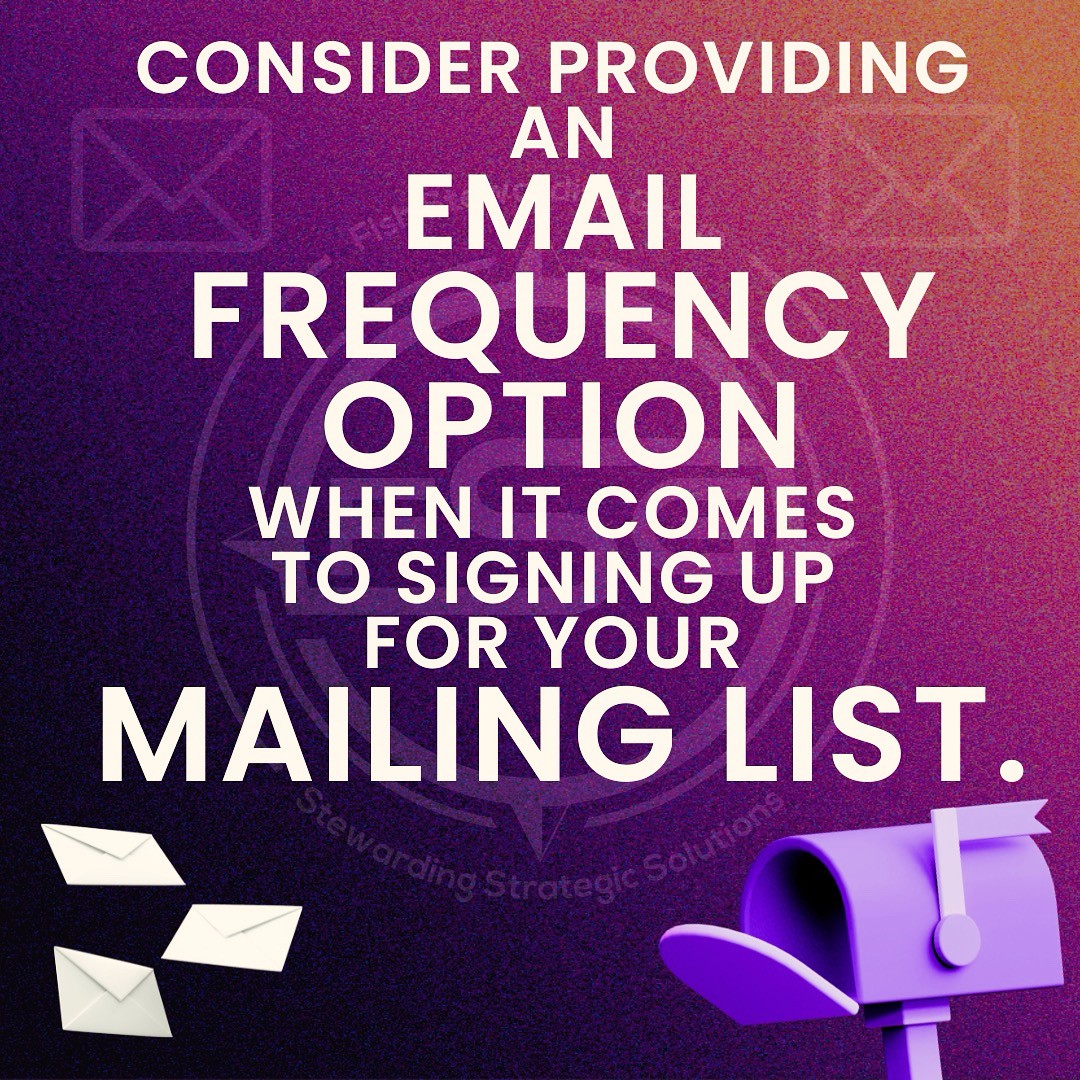
et’s just set up a one on one. What do you want to talk about? Do you want to talk about branding? Brand messaging? Do you want to talk about the fish stewarding group? I got nothing. So he got nothing back from me. I’m not going to waste my time and I’m not saying that this guy is a waste, but I have nothing to go off of and I am not prepared to put the time in to someone that is just spamming and sending these same type of emails to every single person. And I ask you to consider to do the same. Your time is valuable, your connections are valuable.
And maybe as opposed to taking 20 meetings over the next week, if you take 10 or five, and you have a sense of what is being done and how you’re connecting and why you’re connecting, it starts off on a better path. Now starting there. What do you have when it comes to your business, your vision, your experience, your ability and your authority that invites someone that may want to take a fast peek, Not a deep dive, but a fast peek into you? Where can they go? One person that I asked that question to, I said, okay, maybe we should talk.
How My Daughter Changed My Approach Podcast Transcription
Authentic messaging introductions transcription continued:
Do you have a page? Do you have somewhere where you can send me that has some short snippets or just examples of who you are beyond the sell? I don’t want to spend a lot of time. Where can you send me so I can get a brief overview of you? What was sent back to me, I don’t really have that stuff together. I’m kind of building it. Here’s a 30 minute interview and there was a part of me that was curious and in prepping for this podcast, I turned it on. I was out in less than three minutes. It was conversational, back and forth fodder.
I didn’t get anything. What I ask you to consider here is having that page, whether it’s the front of your website, whether it’s somewhere that someone can go and we honor and we give the respect to someone that right now they’re being inundated by all these people saying, look at me, meet with me, talk with me, understand me, give them a taste test, give them a sample on the front of lorenweisman.com, my website. I offer that and I ask you to consider offering something like that, something similar or the same, or if it’s not even on the front of your website, that it’s a page.
Is there a page that someone can go to and just get small pieces to get a sense about you that can entice them to learn and want to get bigger pieces and then from there to be in touch with you. Where should we. And where do we have the right as a whole to say, go look at all my stuff and my bio and this 30 minute video or this 30 minute podcast or this or that, or go search here or go check that out.
Brand messaging blueprint strategies for creative careers.
Authentic messaging introductions transcription continued:
Where do we have the right when so many other people are asking for that right? If we can flip that intention, see the perception of what people are seeing and experiencing and invite them to a fast introduction. It may be that much more effective on my website when you come to lorenwiseman.com and it’s not the prettiest by far. It’s a blog site, but it’s a blog site set up very strategically for messaging. You come to the top. You know, I’m a brand messaging strategist.
I’m with Fish Stewarding Group and FSG Messaging and Optics. You get a sense of my basic tagline, the short touch of my bio, that I have a podcast. And then if you look down the left side, there are a whole bunch of blogs that you can click through and they’re titled right there. So you can read an article if you want. And These average between 300 words to 500 or so. I’m not pushing people into articles.
On the right side, you can see here’s a quote, and if you click through on that quote, it’ll send you to a whole bunch of other quotes. It also is a link to the podcast. That one’s a little bit longer, but it’s not saying, go listen to this. It’s saying, here’s my podcast. And you can find out more about the podcast I have. Or you can click to one of the videos in the video, the different video series.
All of those are under three minutes. And then there it’s, here are a couple social media sites I’m on what my intention and what I’ve been able to shift to the perception for others is stating or hopefully is being received as I get.
You’re busy. I get that a lot of people want you to check them out and run through and look at this and sign up. I’m not asking for the, like, the share, the comment, the subscription asking that if you’re interested in learning a little bit more, here’s a little bit.
That’s the beauty of it. It’s a little bit. And they can find that quote and they can read that little bit of the bio and then click down and read the longer bit of a bio. They can see this short video and if that short video does something for them, they can look at a longer podcast. It’s sharing the authenticity over the cell.
The above the fold is the information, it’s the integrity, it’s the authority that’s there, not the above the fold of do you need this? Or the next best thing or you’re missing out on that, or here’s everything you’re doing wrong. My intention is to showcase that I realize you’re dealing with a lot, and you’re being asked a lot. So I’m offering a little.
And I ask you to consider maybe offering a little to the people that you want to reach out to, to be able to state, here’s some information about me here on this given page. There’s some short audio, short videos, some of my quotes. Here’s my short bio. This isn’t seven pages long.
You invite them into getting a sense of you and from that standpoint, in that honor that allows that person to go, wow, I want to talk more. Because why should some of those simple points be the first part of a conversation? Why do we find so many people out there?
Let’s say they waste so much time on these one on one calls, and then it’s, oh, I wish I could gotten to this point by this much earlier. Just all this time, I don’t understand the time I’m wasting. Here’s where it’s wasted. It’s wasted in that you’re trying to make this connection so fast, you’re not realizing if it’s a connection that should even be made in the first place.
Now, it’s not saying you’re right, it’s not saying you’re wrong. But if somebody comes to my website and they disagree with the quote, or they think the video is silly or they think that a podcast is stupid, then I’m not the person for them. And I don’t need to defend that. I mean, if somebody want. If someone wants to debate it or they find that it’s interesting or.
Okay, I don’t get where that guy’s coming from. I don’t understand this. I’d like to have a discussion. By all means, let’s have that discussion. But there are a lot of people out there where their subjective opinions have shifted to objective facts that are just opinions and really not true, not substantiated.
Why waste the time? It’s not disrespecting. It’s not saying you’re better than anyone else, but it’s honoring you and it’s honoring them. Maybe there are certain people you shouldn’t get on the phone with and it will save you time and it will save you even stress. I talked to some of these other networkers out of the room.
I get really stressed out on these calls, and at certain times I just want to hang up. Why don’t you. Why not interrupt and say, I’m not resonating. I’m not getting this. This just isn’t a good call, man. I felt like I was just. This guy was pulling teeth for 45 minutes.
 Authentic messaging introductions transcription continued:
You let him pull teeth for 45 minutes. You allowed the call to go on. It’s not about being discourteous, it’s not about that. It’s being able to say, excuse me. And again, it can be done in a nice way. I’m not hearing or I’m not connecting or I’m not resonating with what you’re saying. I don’t believe this is a good connection. I don’t really see how I can refer you.
It’s not saying your service is bad, but through the people that I know, through the way I communicate, through what I share and through my reputation, I just can’t do this. Have a great day. You can separate. You can not be a referral and still be nice. So let’s move on to the last section. Whether you’re in person, whether you’re in one of those meetings, whether you’re on a zoom call, a lot of them have that two minute window.
And in those two minutes think. And even if it’s a, even if it’s not a spoken out rule, two minute window where you’re meeting someone or you’re meeting someone somewhere, allow it to be relaxed, to be authentic. Don’t script it, but perhaps practice it.
Maybe practice in the mirror, practice in a video. Watch yourself back. And when I say practice, take a video of yourself in these two minute things. Please don’t show me a video. Where are you? And here’s another thing. From the impression and the perceptions, I’m going to show you this quick video. I can fit this in. It’s a minute 15. I have two minutes.
So I’ll even have a little time left over. Here we go. Now the screen is a video. If you’re getting on there to share your authenticity, your authority. If you’re up there networking and you’re just using either a video that you made or a video from some company that they’re saying, get this out to absolutely everyone, then where are you? The person that can amplify and communicate if it takes a video and inside of two minutes, you’re unable to get your point across, you’re not ready to be networking that point.
Allow those two minutes to not feel rushed. You’re not going to get to say everything that you want to. And for some of these meetings where these people have meeting after meeting and they’re weekly, then perhaps it’s bringing up different points, perhaps it’s giving people a sense of how they can directly and indirectly vicariously relate to you inside of so many of the insurance salesmen and women financial advisors, what is a tip?
What is something that can be stewarded, that can be shared, that say, I never contacted you, but by going into that room, I learned something about you. You. When I went in and when they moved around and made me my. Gave me my two minutes in a couple of the ones that we did last week, it was, here’s this. And I look at authority to authenticity, subjective to objective, intention to perception. I talked a little bit about what I did, but then I spent the bulk of the time saying, think about this.
Consulting Referral Agreement for Brand Communications Strategist
Authentic messaging introductions transcription continued:
When it comes to an email, when you’re doing this with a video, consider this, okay, here’s some volatile things going on when it comes to security and the security of your message and your brand. It was gifting and giving and stewarding people information. And then in that they remember that information and then maybe they remember me. And there’s a better chance that they’re going to remember someone that is out there gifting, giving, stewarding than someone that is rushing as much material into two minutes.
That’s only directing to them and it goes nowhere. That was one of the things I noticed when I was part of some of the those South Florida networking groups. The same people would go every single week or every single month on some of these other ones. And there was one particular one in Palm Beach Gardens.
No, it wasn’t Palm Beach Gardens, it was Port St. Lucie. And they had this amazing breakfast. So not only was it great to learn and watch people with their messaging, but it was really good food, too. But I’m sorry, jumping off course here. Some of the same people would get up and they’d say the exact same thing at every single meeting.
Nothing had changed. It was only the cell. So it was a story. It wasn’t their story. I like to watch. I usually got up and I bring different tips. I bring different pieces, I bring different flavors. It was, think about that. What about that? Change up this. Consider that I’d have fun with it. And I watch people and networking can be fun.
You can have fun. You can engage with people. You can bring your story in. Think of it like that supermarket angle. Maybe you’re not going to sell someone immediately, but can you invite them to want to come look into you? And from there consider. Consider looking at the front of my web page, my website.
Authentic messaging introductions transcription continued:
Can you do something like that on the front of your website or on a page alone where it invites people to this sampling menu of you that they can get through very quickly and from there make a decision as you’re inviting someone to a one on one share with them. Be that different person. I love to want I saw you here, I’d love to have a one on one with you. Here’s my scheduler.
How about I saw you here, I heard you say X, Y and Z. Or I went to this page and I loved what your comment was on this or I loved your content on that or I agree with you here or I disagree.
Would you like to continue the conversation in a one on one? Now you’re inviting, now you’re engaging, now you’re not playing the games of these business gurus that are pushing for every single person to be talked to for you to figure out what they’re worth or what they’re not worth. And that can make people feel worthless and that can make people not feel good. When I was in the music industry, I used to go to this really big event out in Anaheim, California and we used to do the pocket thing.
The people that were engaging and then they hand the cards at the end, you put them in the right pocket, those are the ones you were going to keep, the ones in the back left pocket, those were going to hit the trash.
And most of the time, even if it wasn’t a company or a situation I was involved in or needed to be involved in, the people that engaged, that were honorable, that were considerate, that had fun, I wanted to be in contact with them, I wanted to know them, I wanted to have a drink with them. And then maybe down the line I wanted to see how I could authentically and honorably helped them. And it wasn’t because of what they were selling or how they sold it.
It was how they authentically engaged their messaging introduction. The way that it was a draw and an invitation to have a conversation and not something forced, that felt, you know, scripted, saturated, spammed. That’s the beauty in it. And that’s the beauty in a true authentic introduction and a connection.
Consider stepping back of this program mindset of say, this, email this, follow this, add this person to your email list, do this, add them on LinkedIn and simplify it, moralize it, bring it to a place of honor, of attraction, of finding out, should we be in touch? Should we have the conversation? Should we not? What can I learn a little bit about you in advance so I can make that conversation as effective as possible?
What can you add inside of that two minute pitch or your original pitch that brings a piece of you into the picture and not just the big picture sell that you’re trying to create in that authenticity, in that patience, in that honor and in that integrity of you showcasing you. You’re going to attract that many more people.
And it won’t feel like it’s scripted because it’s not. And it won’t feel like spam, because it’s not. And it won’t feel fake because it’s not. What it will be is an honorable conversation, authentic networking and allowing a message to be heard just as you hear the other person’s message to decide if that conversation should continue. And from there, to see where that conversation can lead. My name is Loren Weisman.
This was. Wait What Really Ok. 123 Season 7 Episode 10 I hope you enjoyed some of these thoughts. I hope there’s some stuff in here that you might want to consider and add to your networking, your introductions, your messaging, when you’re communicating with new contacts and if you. And again, if you’d like to see an example of what I do with that simple. Learn a little bit about me quickly. It’s right there in the front on lorenwiseman.com and if you’d like to have a conversation.
If you’d like to have a discussion, not even necessarily, okay, you want to hire me or hire FSG, send me that email. Not just asking for a one on one. Tell me why you want to have a conversation.
Tell me what you’re about. Tell me where I can find out a little bit more about you. Maybe together with these emails that go out in loud spam blasts can shift to an inviting tone, an inviting volume, and an inviting element of authenticity that maybe will draw people in and make them want to connect with you that much more.
 Authentic messaging introductions transcription
* Loren Weisman is a Brand Communications and Optics Strategist who specializes in illuminating authoritative intelligence and amplifying authentic experts. * Weisman is also the host of the Brand Communications and optics podcast; Wait What Really OK. * LW Website * © 2011 to 2026 Loren Weisman. All Rights Reserved ® ℗ * Authentic messaging introductions transcription from Authentic messaging introductions and impression perceptions Podcast.


 Sharing Opinions Instead Transcription