Author: Loren Weisman

  • You might not have a book in you and that can be a good thing.

    You might not have a book in you and that can be a good thing.

    You might not have a book in you and that can be a good thing.

    You might not have a book in you

    You might not have a book in you…

    and that can be a good thing.

    In this digital hype with zero accountability age, many of us are often told we need certain things to establish our authority – a book, a podcast, an online course. But, perhaps pause and reflect on that claim for a moment.
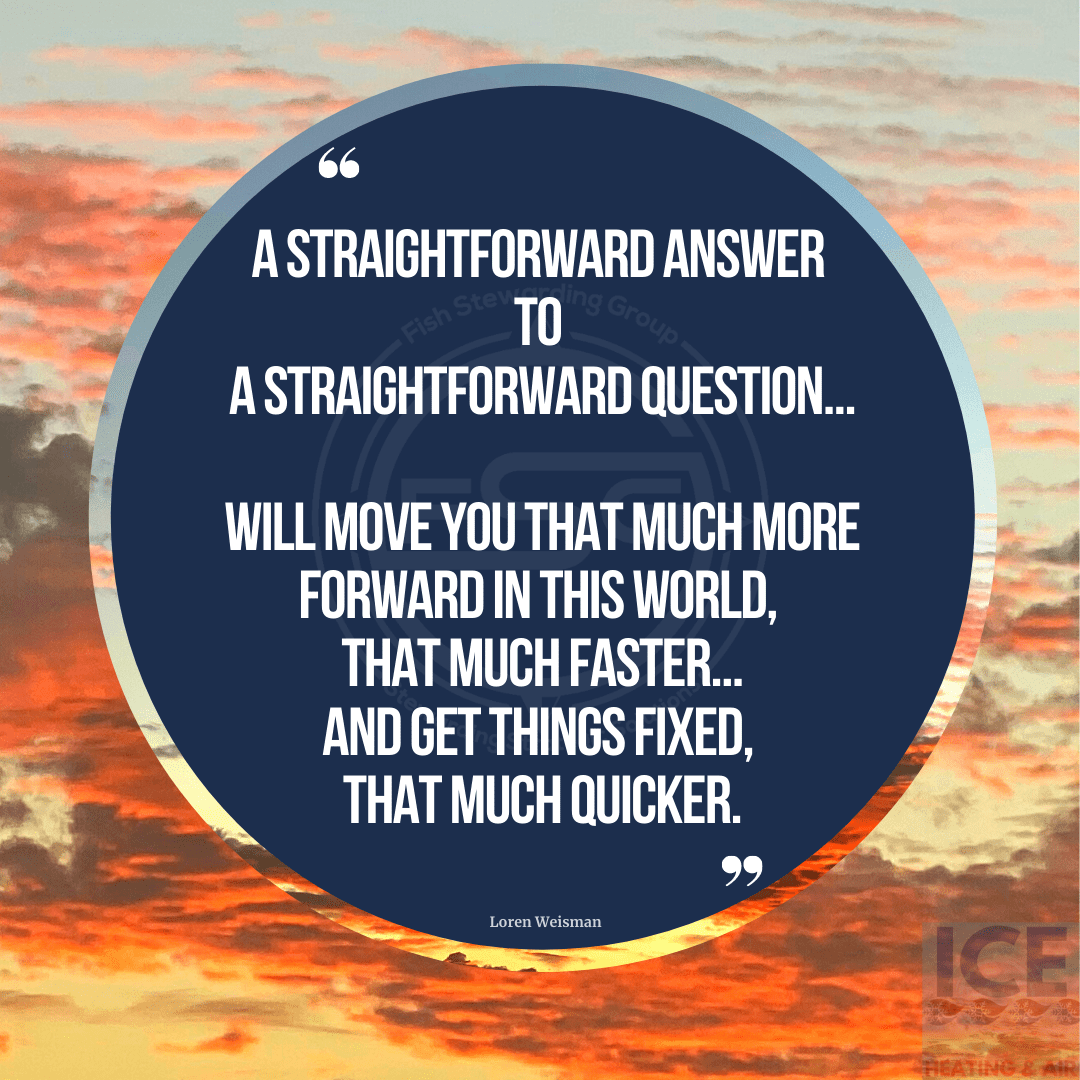

    You might not have a book in you, a straight forward answer, loren weisman, quote
    A straight forward answer…

    Brand messaging blueprint strategies for creative careers.


    You might not have a book in you An authenticity question…

    Consider asking yourself:

    Do I genuinely have valuable content for a book?

    Is there a podcast topic I’m really passionate about?

    Can I authoritatively create a course that truly helps others?

    If the answer is no, that’s absolutely okay.

    And unfortunately, the answer is no for so many others that choose to go on anyways to create awful hype, substance free content and marketing fodder. Please don’t be one of those types.


    Beyond the hype

    In many cases, the push to create these materials is more about appearances than substance. I believe we have all seen this all over social media – people trying to look like authorities rather than being authentic, humble and true to form.


    Publishing a book does not make you an authority or an expert.

    Authorship does not equal authority.


    The same goes for creating a podcast or even a course.

    And while there are many out there that say they can help you do it very quickly and easily… is that really the route you want to go?

    And would you admit to the potential customers and buyers how you either published the book or created the course?
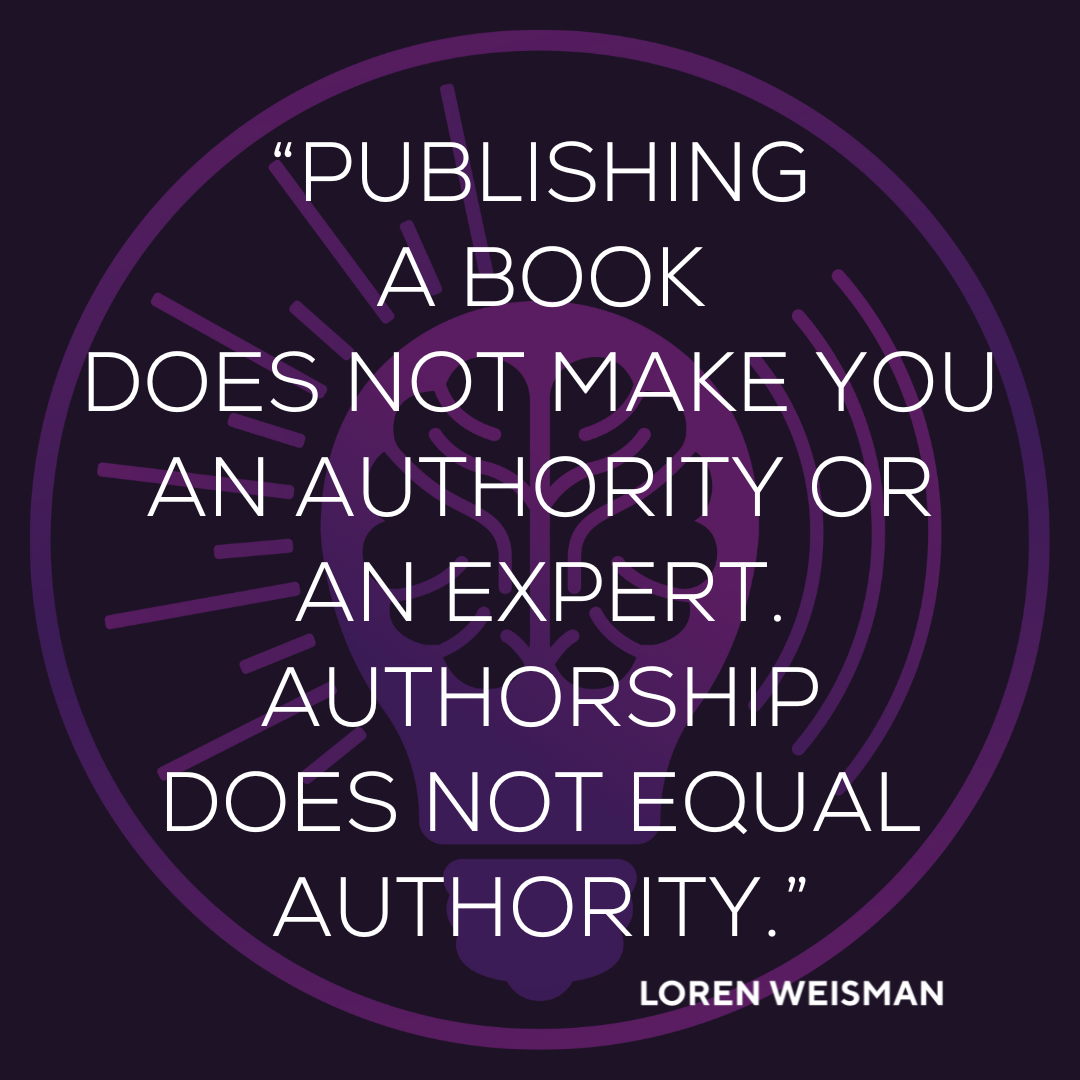

    PUBLISHING A BOOK DOES NOT MAKE YOU AN AUTHORITY OR AN EXPERT. AUTHORSHIP DOES NOT EQUAL AUTHORITY.
    PUBLISHING A BOOK DOES NOT MAKE YOU AN AUTHORITY OR AN EXPERT. AUTHORSHIP DOES NOT EQUAL AUTHORITY.

    You might not have a book in you… Consider being true to yourself and your audience

    Instead of forcing yourself into a mold that doesn’t fit or one copying others that have nothing to do with your skills, ability or authority…

    focus on what’s genuine:

    Your real authentic abilities Your honest experiences Your authoritative and proven expertise… and having the humility to be the real you and not some contrived version to try to appear as more than you actually are.

    Fake hype can do more harm than good. I believe It’s better to be your yourself over pretending to be something you’re not. While many do not choose that route, those that do… often times can stand out on a stronger foundation of truth over the seas of liars today.


    I think your worth isn’t determined by how many products you create or platforms you’re on or followers, likes and comments. I believe it is about the real value you bring to others, in whatever form that takes.

    That concept might not resonate for all, but for those that stand in truth, transparency and accountability, why not stand out by standing on solid ground.

    And at the same time, I would like to see people move away from the “you’ve got to have this, you’ve got to have that” and move more towards being our authentic selves.

    That’s where true authority comes from. When the words have meaning and are not just false buzz words.

    Consider focusing on creating the content and the products that align and highlight your authority and authenticity, over trying to create content or products in a goal to make you appear to be more than you are.

    Be better than that.


    “Brand Comms and Ops – All Things Considered” Short Video

    [embedyt] https://www.youtube.com/watch?v=msgkZ09eI8I[/embedyt]
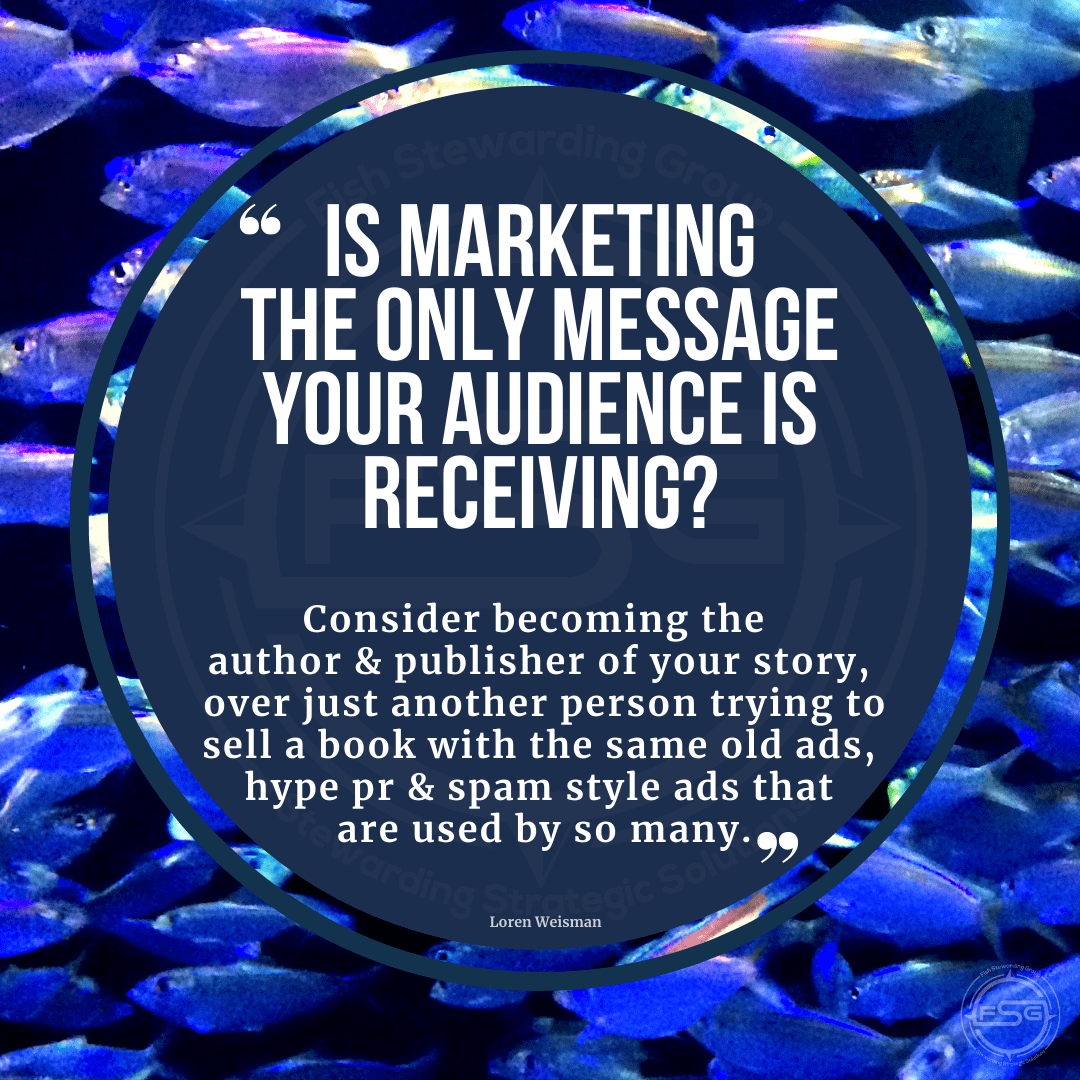

    You might not have a book in you, is marketing the only message, consider becoming, author and publisher, quoteYou might not have a book in you and that can be a good thing.


    Loren Weisman is a Brand Communications and Optics Strategist who specializes in illuminating authoritative intelligence and amplifying authentic experts. * Weisman is also the host of the messaging and optics podcast; Wait What Really OK. * LW Website * © 2011 to 2026 Loren Weisman. All Rights Reserved ® ℗ * You might not have a book in you and that can be a good thing.

    You might not have a book in you, motivation without direction, brand communications quote

    Related reading

  • Sharing vs Telling: A brand communication concept to consider

    Sharing vs Telling: A brand communication concept to consider

    Sharing vs Telling: A brand communication concept to consider

    Sharing vs Telling A brand communication concept to consider

    Sharing vs Telling: A brand communication concept


    In the fast and often linear motion of brand communication, a subtle yet powerful distinction can go unnoticed: the difference between telling a story and sharing one.

    As a brand communication and optic strategist, I’ve observed countless businesses fall into the trap of one-sided intention style storytelling, missing out on the true potential of their message and its reach.


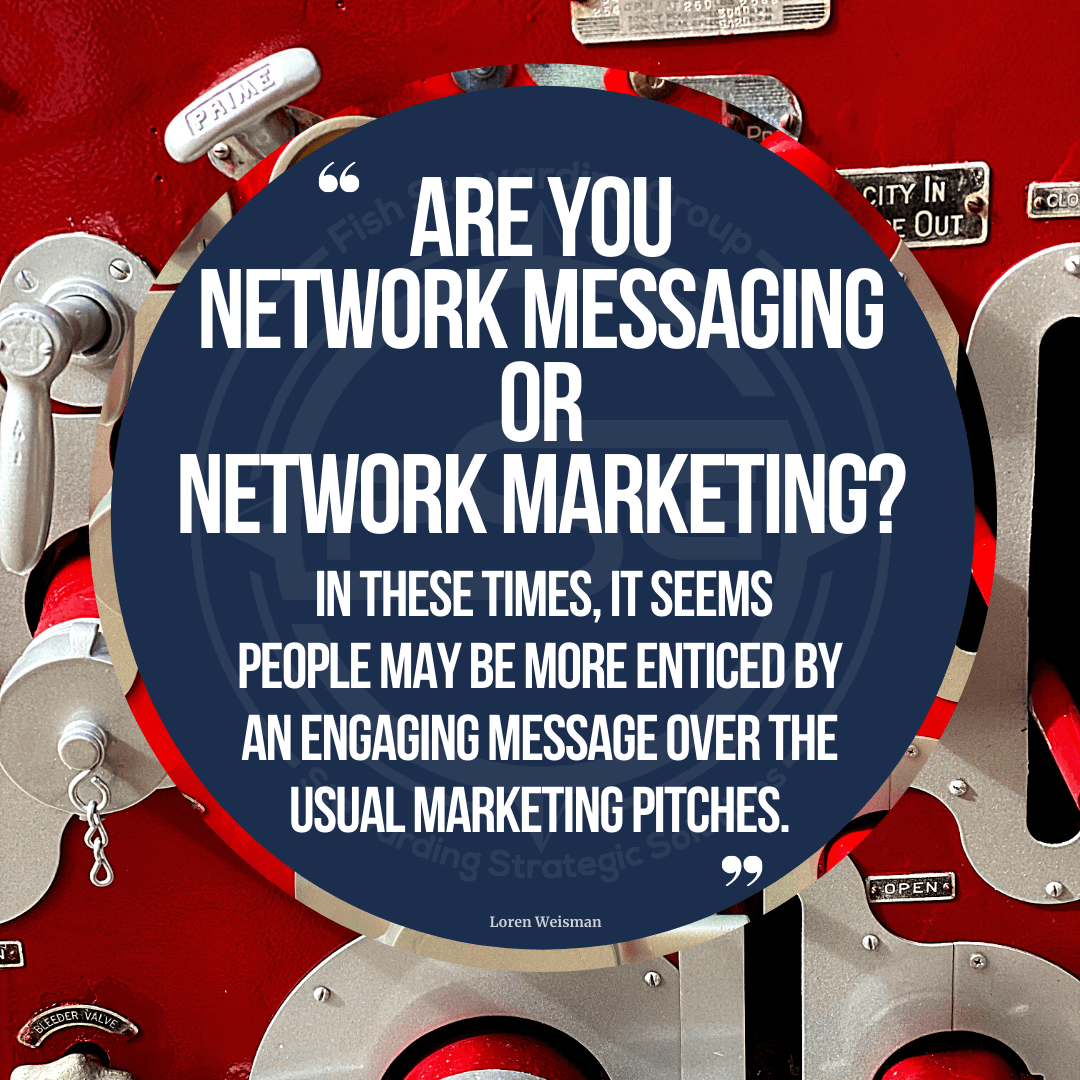
    are you network messaging or network marketingThe “Yell, Tell, Sell” Trap

    Many brands today find themselves caught in what I call the “yell, tell, sell” cycle.

    This approach is characterized by: Loud, attention-grabbing tactics One way intention style communication A focus on immediate sales rather than relationship building

    While this method might seem effective in the short term, it often fails to create lasting connections with audiences and often times is used by those with less authenticity and authority as a crutch to push and even at times deceive.


    Sharing vs Telling: A Power in Sharing

    Sharing, on the other hand, can involve a more nuanced and empathetic approach to brand communication as a whole.

    When we choose to share in our messaging, we may be that much more able to: Consider an audience’s perspective Acknowledge potential negative connotations or assumptions Create a more humble space for dialogue and interpretation

    I believe this approach requires taking two humble steps back and asking ourselves, “How can I share my message in a way that resonates with my audience, while also being open to their perceptions, assumptions, comparisons and even negative connotations?”


    Understanding Perceptions

    One of the key elements in effective and humble brand communication is recognizing that perceptions may differ from intentions. Your audience brings their own experiences, biases, and assumptions to every interaction with your brand. By acknowledging this, you may be able to: Craft more inclusive messaging and engaging communication tactics. Address potential misconceptions proactively Create a more welcoming brand environment


    Expanding Your Reach

    If you choose to shift from telling to sharing in your brand communication and optics, it can open up new possibilities for stronger connections.

    This approach can allow for: Reaching a wider audience Building stronger, more authentic relationships Encouraging engagement and genuine feedback

    By considering your brand communication in a sharing way, you can demonstrate respect for your audience’s intelligence and autonomy, which may lead to increased trust and loyalty. Not to mention standing out from so many that just yell, tell and sell their story in a linear and almost arrogant one sided way.


    Top 100 Loren Weisman Quotes: Considerations for Branding, Communication and Marketing


    Implementing a Sharing vs Telling Approach

    To transition from telling to sharing in your brand communication: Consider listening actively to your audience as well as who they listen to. Apply a discovery for your brand to look at the perception optics. Be transparent about your brand and hold yourself and the brand accountable. Invite dialogue and understand not everyone will get it or like it.

    Effective brand communication is not about dominating the conversation, but more about fostering a meaningful exchange of ideas and experiences while working to show that respect to an audience that may have felt they have heard or seen it all before.


    The difference between telling and sharing a story may seem subtle, but its impact on your brand’s success can be profound. By embracing a sharing mindset, you may create new opportunities for deeper connections, broader reach, more authentic engagement with your audience as well as a greater understanding of your brand.

    So, the next time you’re crafting your brand message, consider asking yourself: “Am I telling, or am I sharing?”


    Sharing vs Telling: A brand communication concept to consider video [embedyt] https://www.youtube.com/watch?v=K43ajWJ3QB4[/embedyt]


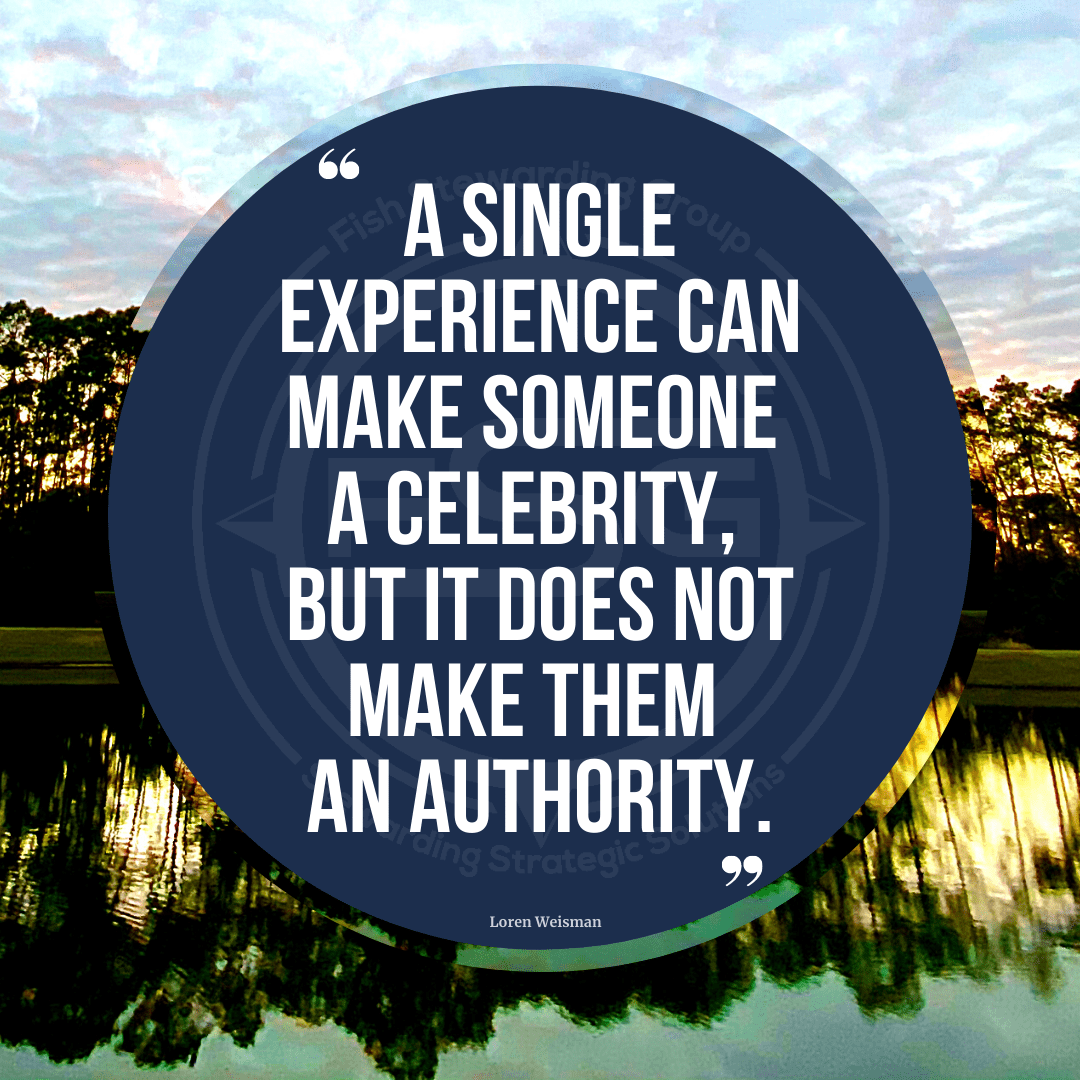
    Sharing vs Telling, a single experience can make someone


    Loren Weisman is a Brand Communications and Optics Strategist who specializes in illuminating authoritative intelligence and amplifying authentic experts. * Weisman is also the host of the messaging and optics podcast; Wait What Really OK. * LW Website * © 2011 to 2026 Loren Weisman. All Rights Reserved ® ℗ * Sharing vs Telling: A brand communication concept to consider.

    Related reading

  • Studies have shown? A study on the claims of fake studies.

    Studies have shown? A study on the claims of fake studies.

    Studies have shown? A study on the claims of fake studies from Brand Messaging and Optics Strategist Loren Weisman. Studies have shown, A study on the claims of fake studies

    Studies have shown?


    It seems too many are out there claiming studies have shown and more often than not, having no proof of a study to show for.

    At the same time, others use or hype fake studies or biased studies that only promote and rarely prove. Studies have shown what? Be truthful, even if others aren’t.

    Consider digging deeper to find out if a study has an validity, authority and actually accountability to it… and if you are sharing from a study…

    Show the study, the links and who did it.

    Words Matter. Optics Matter. Truth Matters.

    Honor your audience by honoring what you choose to share with your audience and showing exactly what the studies have shown..


    Brand Comms and Ops Studies Have Shown Video Short

    [embedyt] https://www.youtube.com/watch?v=bxbSU2Gsd_c[/embedyt]

    Studies have shown? A study on the claims of fake studies.


    One of the biggest red flags I’m finding online is when people use the term, “I saw this in a study,” or “Studies have shown.” Fine, tell me where the study is. Show me if it’s a genuine study.

    Show me if it’s a study that’s not tied to the organization or the product that is trying to present this thing.

    Show me that it’s not a fake study. While liability and accountability are not something that’s being held online or held by these organizations to any standard, when you put up something or you want to mention a study, back it up.

    You want to put something up online, show where the study came from. Show a couple of different studies to demonstrate the validity of what you’re stating, and explain why this study hits the points and that this study is genuine and true. Hopefully, if it’s from a third party, it may allow you to stand out so much more than people just using hype claims and empty words, saying… “Well, the study said.”

    studies have shown, loren weisman website
    Loren Weisman Website

    Loren Weisman is a Brand Communications and Optics Strategist who specializes in illuminating authoritative intelligence and amplifying authentic experts. * Weisman is also the host of the messaging and optics podcast; Wait What Really OK. * LW Website * © 2011 to 2026 Loren Weisman. All Rights Reserved ® ℗ * Studies have shown? A study on the claims of fake studies.

    Related reading

  • Integrity Over Ease. The True Cost of Authentic Brand Communication

    Integrity Over Ease. The True Cost of Authentic Brand Communication

    Integrity Over Ease. The True Cost of Authentic Brand CommunicationIntegrity Over Ease, The True Cost of Authentic Brand Communication, loren weisman


    Integrity Over Ease


    My Brand Communication strategies and services might not be the easiest and are far from the cheapest, but they stand in honor, truth, transparency and are built on a solid foundation.

    integrity over ease, loren weismanI believe choosing integrity over convenience in brand communication pays off.

    Authentic brand communication and transparent business strategies can build a stronger foundation for your brand, even if it’s not the easiest or cheapest path.


    In this short, I briefly touch on:

    The power of integrity in marketing

    How honest brand messaging can foster long-term brand success

    The role of ethical marketing practices in building brand trust

    Why value-driven communication outperforms quick fixes

    I believe there is true value in strategic brand integrity and transparent business practices for today’s market…. even if many choose to go another route.


    Approach to Communication and Branding

    When it comes to communication, messaging, and the optics of your brand, my approach is not the easiest or the cheapest. However, I believe it to be one of the most honest, transparent, and authoritative routes. It provides stability, security, and honesty.

    Building a Brand with Integrity

    As you build your brand, consider whether you want to engage in shortcuts or risk being caught as a liar or plagiarist. These actions can come back to haunt you. If these concerns don’t bother you, proceed as you wish. But if you value authority, transparency, and honor, focus on creating a brand and communication strategy that reflects these values.

    Conclusion

    In summary, the path of integrity in branding and communication may not be the simplest, but it is the most rewarding in terms of building a lasting and respected presence.


    Brand messaging blueprint strategies for creative careers.


    “Brand Comms and Ops – All Things Considered” Video

    [embedyt] https://www.youtube.com/watch?v=bx8X2uxfZHU[/embedyt]

    Integrity Over Ease. The True Cost of Authentic Brand Communicationintegrity over ease, loren weisman, brand communications and optics strategist


    Loren Weisman is a Brand Communications and Optics Strategist who specializes in illuminating authoritative intelligence and amplifying authentic experts. * Weisman is also the host of the messaging and optics podcast; Wait What Really OK. * LW Website * © 2011 to 2026 Loren Weisman. All Rights Reserved ® ℗ * Integrity Over Ease. The True Cost of Authentic Brand Communication

    Related reading

  • Secure Your TikTok Experience: A Two-Phone Strategy

    Secure Your TikTok Experience: A Two-Phone Strategy

    Secure Your TikTok Experience: A Two-Phone Strategy for Enhanced Privacy and Security. Secure Your TikTok Experience A Two-Phone Strategy, brand communications strategist,

    Are you considering joining the TikTok craze but concerned about TikTok privacy and TikTok security?

    Here’s a clever solution that might put your mind at ease: using a dedicated second phone for TikTok, also known as the two-phone strategy.

      [embedyt] https://www.youtube.com/watch?v=PlQMZWsShYc[/embedyt]

    Why Consider a Second Phone for Secure TikTok Usage? TikTok, like many social media apps, has extensive TikTok data access on your device, often extending beyond the app itself. By using a separate phone exclusively for TikTok, you can significantly reduce potential privacy and security risks, enhancing your overall digital safety.

    The “Tik Tok Toe” Approach: How to Use TikTok Safely Think of this strategy as dipping your toe in the water. You test out TikTok while avoiding many of the associated privacy concerns. Here’s how to implement this approach and protect personal information on TikTok:

    Get a second phone: This could be an inexpensive burner phone for social media or an old device you’re not using.

    Create a dedicated email: Set up a new, free email account as a separate email for TikTok. Don’t link it to any of your other accounts or personal information.

    Install only TikTok and an email app: Keep this phone free from other apps and avoid general web browsing on it to minimize data exposure on TikTok.

    Transfer videos safely: For secure video transfer for TikTok, if you need to upload a video from your primary phone, send it to your new TikTok-specific email, then access it from the dedicated TikTok phone.

    Benefits of This Approach: TikTok Privacy Protection Tips Clear separation between your personal data and TikTok

    Reduced risk of data tracking across your digital life

    Enhanced control over what information TikTok can access

    Is It Worth the Investment in Data Protection? While purchasing a second phone might seem like an extra expense, consider it an investment in your digital security and peace of mind. The protection it offers could be invaluable in the long run. We still have no idea what can happen with the data that has already been accessed by TikTok for so many users. This is a better safe than sorry scenario.

    Conclusion: Balancing TikTok Engagement and Privacy If you’ve held off on joining TikTok due to privacy concerns, this two-phone strategy offers a way to test, try, and explore the platform and its reach while maintaining a strong boundary around your personal information. It’s an extra step, but one that could provide significant protection in our increasingly dangerous digital world.

    Not Every Conversation Needs to Be a Podcast, secure your tiktok experience
    Not everything has to become content video

    Coda: Consider that when it comes to TikTok privacy and TikTok security, it’s always better to be proactive than reactive. By implementing these TikTok privacy protection tips, you have a better chance of enjoying the platform while keeping more of your personal data secure.

    While it might seem like a lot, this is a great approach to protecting yourself, your information and allowing you the opportunity to play with TikTok while avoiding what many others have given up to date with their data, information and privacy.

    [embedyt] https://www.youtube.com/watch?v=Mc3D8AXAYZE[/embedyt]

    As mentioned before, consider it an investment in privacy, protection and preparedness. This can serve you in the moment, but also down the line for what ever will come with TikTok.


    Secure Your TikTok Experience: A Two-Phone Strategy for Enhanced Privacy and Security


    Loren Weisman is a Brand Communications and Optics Strategist who specializes in illuminating authoritative intelligence and amplifying authentic experts. * Weisman is also the host of the messaging and optics podcast; Wait What Really OK. * LW Website YouTube: @lorenweismanvideos * © 2011 to 2026 Loren Weisman. All Rights Reserved ® ℗ * Secure Your TikTok Experience: A Two-Phone Strategy for Enhanced Privacy and Security

    Related reading